What is on this site
This site is for gardeners who want to grow things better—not just the plants themselves, but the soil they live in, the seasons that shape them, and the small, stubborn lessons that turn a patch of dirt into something alive.
Every post is built around what actually works in the real world: how to coax a reluctant seedling, when to trust the weather, and what to do when the plan fails.
The site is organised into three parts: *The Greenhouse* for step-by-step guides, *The Ledger* for what thrives (and what doesn’t) in different climates, and *The Archive* for old varieties, forgotten techniques, and the stories behind them. No fluff, no guesswork—just the parts that matter when you’re elbow-deep in compost.
| Where | What is there | Go here if |
|---|---|---|
| The Greenhouse | Tried-and-true methods for sowing, pruning, and troubleshooting | You need a foolproof way to start tomatoes |
| The Ledger | Plants that perform in your zone, with notes on soil, light, and pests | You’re choosing what to grow this spring |
| The Archive | Lost heirlooms, regional wisdom, and the history of gardening tools | You want to revive an old variety or understand why your great-grandfather swore by a certain plow |
| The Notebook | Mistakes, workarounds, and the things we’re still learning | You hit a snag and need a second opinion |
How to read a page here
Every page starts with the key details up front: what the plant needs, when to act, and what tools you’ll use. Numbers in parentheses—like (30°F)—are temperatures in Fahrenheit; if you’re metric, the site’s settings will show Celsius instead.
Diagrams and timelines appear in the order they happen, so you can skip ahead or loop back without missing a step.
Look for the *Watch For* boxes—they flag the most common pitfalls, like overwatering basil or planting beans too early. These are the things that trip up even experienced gardeners. The *Pro Tip* sections are the shortcuts: the tricks that save time or turn a mediocre harvest into a great one.
If a post mentions ‘Zone 5,’ it’s talking about hardiness zones—a way to match plants to your climate. The *Climate Notes* at the end adjust advice for drier or wetter regions.
And if you see a question mark next to a term (like ‘?grafting’), hover over it for a quick definition.
When it does not work
Some pages assume you have basic tools—a trowel, a pruner, a moisture meter—or that you’re working in a typical backyard. If your space is unconventional (a balcony, a greenhouse, or soil so rocky it won’t hold water), check the *Adaptations* section at the bottom of a post.
It lists common adjustments, like using containers for heavy clay or swapping mulch for gravel in dry climates.
Before you give up
- Check if your zone matches the one in the post (use the site’s zone tool if you’re unsure)
- Look for *Alternative Methods* near the end—some techniques work with fewer tools
- Search for the plant’s name plus ‘your climate’ (e.g., ‘tomato Zone 8’) for regional tweaks
- Try the *Notebook* section—someone may have asked the same question and found a workaround
Who we are
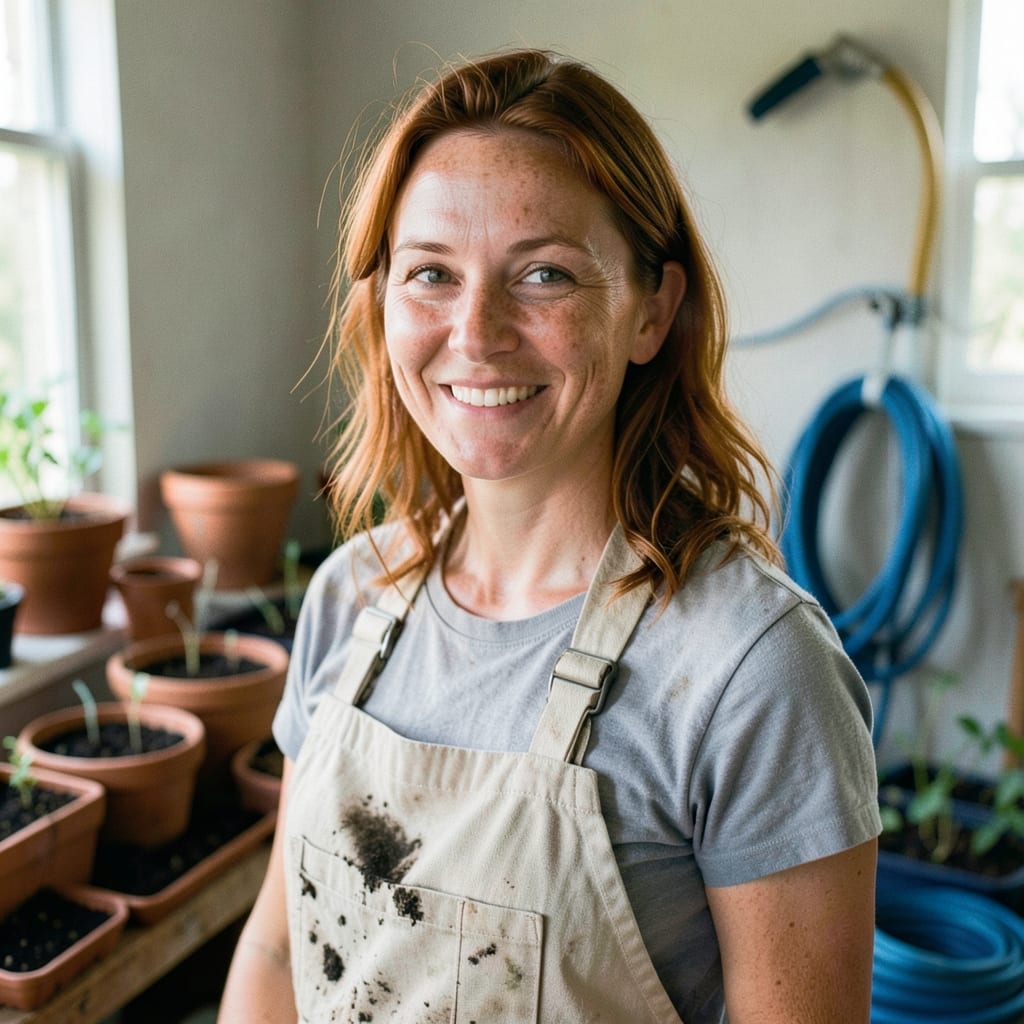
This site is shaped by the hands that dig in the dirt and the eyes that notice when a leaf wilts just a little too early.
| The colophon | |
|---|---|
| Written by | Harriet Ashworth, who tends a half-acre plot in New Mexico and writes about the things that grow (or don’t) there |
| Tested in | A raised-bed garden with uneven sunlight, clay soil amended with compost, and a cold frame that freezes solid in winter |
| Written with | A notebook full of scribbled corrections, a digital scale for seed weights, and a magnifying glass for inspecting pests |
| Learned from | Her grandfather, who taught her that ‘patience’ isn’t a virtue in gardening—it’s the only way to survive it |
| Still getting wrong | The exact moment to harvest green beans: always a day too late or too soon |
Gardening is a conversation between what you know and what the earth refuses to tell you. The best lessons come from the failures—the split tomatoes, the wilted roses, the seeds that never sprouted. Here, those lessons are the ones worth reading.
If you need something that is not here
This site covers the basics: how to start, how to fix, and how to keep going when the weather turns. But every garden has its own quirks—your soil, your pests, your odd corner of the world.
If you’re looking for advice on a specific plant, a local problem, or a technique not listed, start with the *Notebook* or search for others’ questions. If it’s not there, your best bet is the contact page—though we can’t promise an answer faster than a seedling grows.
The guides are grouped by category: Advice, Aphids, Blooming, Companion Plants, Container Gardens and Diseases.