
Trees
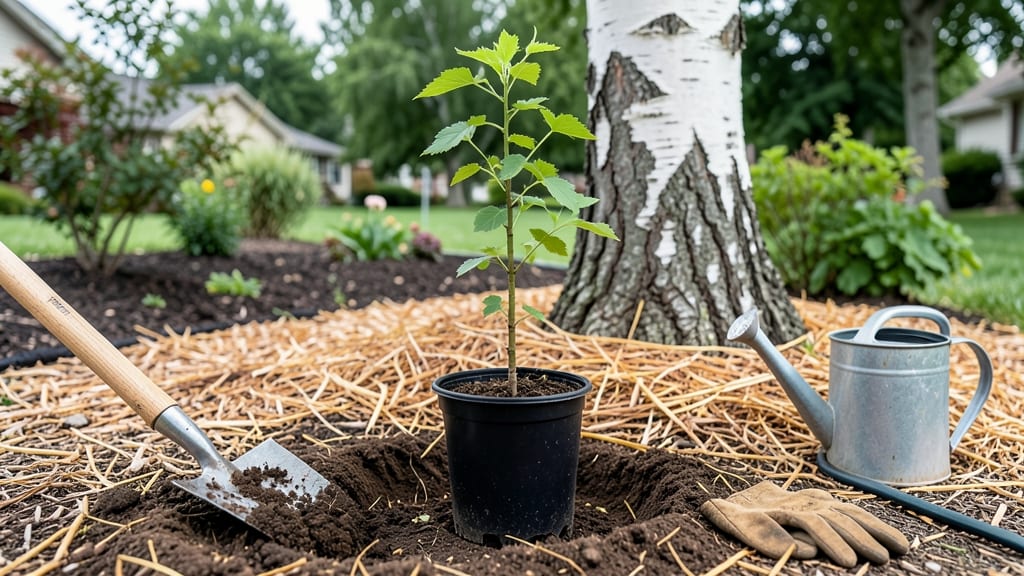
Planting aspen trees in Colorado at the wrong time can mean the difference between a thriving tree and one that struggles to take root. These iconic 🌳 trees—with their shimmering golden foliage—thrive when planted during Colorado’s optimal window, but timing is everything in our variable climate.
Most gardeners assume spring is the only time to plant, but fall can actually offer cooler temperatures and moisture that help young roots establish. In Colorado’s USDA Zones 5-8, the best months are March and April, when soil is workable but not yet too hot.
What you’ll discover in this guide is how to align your planting with Colorado’s microclimates—whether you’re in Denver’s Front Range or the Western Slope’s higher elevations. We’ll cover soil prep, watering strategies, and even how to avoid common mistakes that trip up new tree owners.
Ready to give your aspen the best start? Let’s break down the science behind spring vs. fall planting so you can choose the perfect time for your landscape.
Optimal planting seasons for aspen trees in Colorado: spring vs. fall breakdown
Colorado’s diverse elevations and microclimates create unique challenges for planting aspen trees. The best planting windows are early spring and fall, but timing depends on your specific region—whether you're in the Front Range or Western Slope.
Let’s break down the ideal months and what makes each season work (or fail) for your aspen.
In Colorado, spring planting (March-April) is the gold standard for aspen trees. This aligns with the tree’s natural growth cycle, allowing roots to establish before summer heat arrives. The soil temperature is warming, but not yet scorching, and moisture levels are higher, reducing transplant shock risks.
For most of Colorado, this means planting between late February and early May, with adjustments for elevation.
Fall planting is trickier but can work if done 4-6 weeks before the first frost. In lower elevations like Denver, this means late August to mid-September, while higher elevations (e.g., 10,000+ feet) may need planting by mid-August.
The key is giving roots time to establish before winter dormancy sets in. Fall planting is riskier due to early frosts and dry soil conditions in Colorado’s fall.
If you’re planting in higher elevations (e.g., 8,000+ feet), shift your timing 2-4 weeks later than lower elevations. For example, Denver (5,280 ft) may plant in March-April, while Aspen (7,800 ft) should wait until late April.
Always check your last frost date—Colorado’s can vary by weeks even within the same county.
For bare-root aspen trees, spring planting is ideal because the tree isn’t yet actively growing, reducing stress. If you opt for container-grown aspens, fall planting can work if you water thoroughly and mulch heavily to protect roots.
However, container-grown trees are less common for aspens due to their size.
One critical Colorado-specific factor is soil drainage. Aspens hate soggy roots, so avoid planting in low-lying areas where water pools. In clay-heavy soils (common in the Front Range), amend with compost or sand to improve drainage.
This is non-negotiable—poor drainage is the #1 killer of young aspen trees in Colorado.
Pro tip: If you miss the spring window, late fall planting (November) can work in sheltered microclimates, like near a south-facing slope. Just ensure the ground isn’t frozen, and mulch generously (4-6 inches) to insulate roots.
In windy areas, like the Western Slope, consider a windbreak to protect young saplings.
Remember, aspen trees are fast growers—but only if planted correctly. A poorly timed planting can set your tree back years. Whether you choose spring or fall, soil prep and post-planting care are just as important as the season itself.
Let’s dive into those critical factors next to ensure your aspen thrives in Colorado’s high country.
Optimal planting seasons for aspen trees in Colorado: spring vs. fall breakdown
Colorado's diverse elevations and microclimates create unique challenges for planting aspen trees (Populus tremuloides). While both spring and fall offer viable planting windows, early spring (March-April) is generally preferred for this fast-growing native species.
The key is planting when soil temperatures rise above 40°F (4°C) but before buds break—typically by mid-April in most regions.
Fall planting is possible but riskier in Colorado due to early frost dates at higher elevations. If choosing fall, aim for late August to early September when temperatures begin dropping but before the first hard frost.
This gives roots time to establish before winter dormancy begins. However, Front Range gardeners often have a slightly longer fall window than those in the Western Slope.
| Factor | Spring Planting (March-April) | Fall Planting (Aug-Sept) |
|---|---|---|
| Soil Temperature | 40-50°F (4-10°C) | 50-60°F (10-15°C) |
| Moisture Availability | High (spring melt) | Moderate (drying soils) |
| Frost Risk | Low (post-last frost) | High (early frosts) |
| Root Establishment | 6-8 weeks growing season | 4-6 weeks before dormancy |
| Best For | Bare-root transplants | Container-grown trees |
For Denver and Front Range gardeners, the ideal window is mid-March to mid-April, aligning with when soil thaws completely. In higher elevations (8,000+ ft), wait until late April to early May to avoid late frosts that can damage young aspen foliage.
Always check your local USDA Zone 5-7 frost dates—Colorado's 100-mile elevation changes create dramatic planting windows.
One Colorado-specific advantage for spring planting is the natural moisture from snowmelt, which reduces early watering demands. Fall-planted aspens, however, require consistent moisture until the first frost to prevent transplant shock. Mulch heavily (3-4 inches) around the base to retain moisture and regulate soil temperature during both seasons.
If you're planting in Western Colorado, account for earlier frost dates—some areas can experience frost as early as September 15. For these regions, spring planting is strongly recommended unless you're using container-grown aspens with established root systems.
Always acclimate container trees for 1-2 weeks before planting to reduce shock.
Remember: Aspens are fast-growing pioneers adapted to Colorado's climate. With proper timing, they can establish 3-4 feet of growth in their first year—making the right planting window critical for long-term success. Check local CoCoRaHS weather stations for your specific microclimate before scheduling your planting day!