
Plants
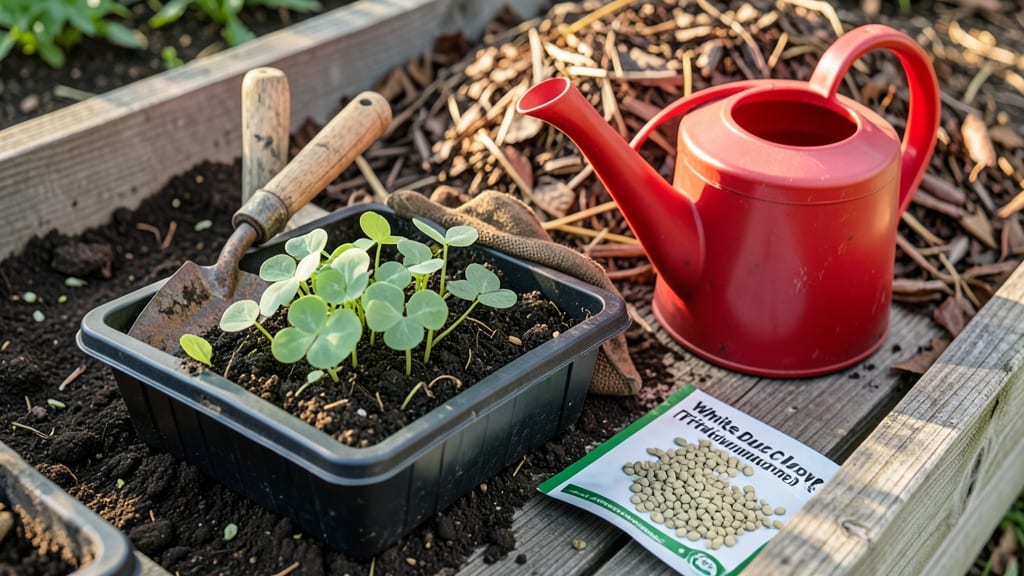
Optimal spring planting windows for clover by climate zone
Timing your clover planting in spring makes all the difference between a thin, patchy lawn and a lush, vibrant cover. The key is planting when soil temperatures hit 50°F (10°C) and stay there—this ensures rapid germination and strong root growth.
But the exact window depends on your USDA hardiness zone and local frost patterns.
In cooler zones (3-5), aim for early spring—typically late March to early April—when frost risk drops but soil still holds moisture.
Warmer zones (6-8) can wait until mid to late spring (April-May) when nights stay above freezing. Southern climates (9-11) might even plant in early February to avoid summer heat stress.
Here’s how to align your planting with your zone for maximum success:
Pro tip: Use a soil thermometer to confirm temperatures—cold soil slows germination, while overly warm soil can dry seeds out before they sprout. If your zone has unpredictable frosts, opt for white clover, which tolerates cooler temps better than red clover.
For northern gardeners, consider overseeding in fall (late summer) as a backup—clover thrives with cool-season establishment. But if you’re committed to spring, late April is your safest bet in most temperate zones.
One common mistake? Planting too early when soil is still cold or too late when summer heat arrives. Mid-spring strikes the perfect balance for moisture, warmth, and minimal weed competition.
Need a quick check? Push a finger 2 inches into the soil—if it feels cool but not icy, it’s likely ready. Pair this with consistent rainfall or a drip irrigation setup to keep seeds hydrated during germination.
Remember: Clover spreads fast once established, so timing isn’t just about germination—it’s about giving your lawn a competitive edge against weeds. Plant at the right moment, and you’ll see green carpets in just 3–4 weeks!
Optimal spring planting windows for clover by climate zone
Timing your clover planting in spring makes all the difference between a thick, vibrant lawn and sparse, slow-growing patches. The key? Understanding your USDA hardiness zone and soil temperature trends.
Clover seeds germinate best when soil reaches 50°F (10°C)—a threshold most regions hit between early March and late April, depending on location.
Northern climates (Zones 3-5) should aim for late April to early May, while southern regions (Zones 7-9) can plant as early as February to March.
The goal is to sow seeds 2-4 weeks after the last frost, giving them time to establish roots before summer heat arrives.
| Zone | Ideal Planting Window | Soil Temp Requirement | Key Consideration |
|---|---|---|---|
| 3-5 | Late April - Early May | 50-55°F (10-13°C) | Wait for consistent daytime temps above 60°F. |
| 6-8 | Early March - Mid-April | 50-60°F (10-16°C) | Plant before weeds dominate. |
| 9-11 | February - Early March | 55-65°F (13-18°C) | Avoid late spring heatwaves. |
If you’re in a transition zone (Zone 6)**, split your planting into two batches: early March and late April. This hedges against unpredictable frost or heat spikes. For coastal areas, watch for marine layer shifts—cooler ocean breezes can delay soil warming by weeks.
Pro tip: Use a soil thermometer to verify readiness. Stick it 2 inches deep—the depth where clover roots will establish. If temps dip below 45°F (7°C) at night, cover seeds with lightweight row fabric until conditions stabilize.
Don’t overlook moisture levels during planting. Clover seeds need consistent dampness to germinate, but soggy soil invites rot. Aim for 1 inch of rain or irrigation per week after sowing, and always water early in the morning to reduce fungal risks.
By aligning your planting with your zone’s natural rhythms, you’ll give clover the competitive edge it needs to outpace weeds and establish quickly. The payoff? A low-maintenance, nitrogen-rich lawn that thrives year after year.