Plants
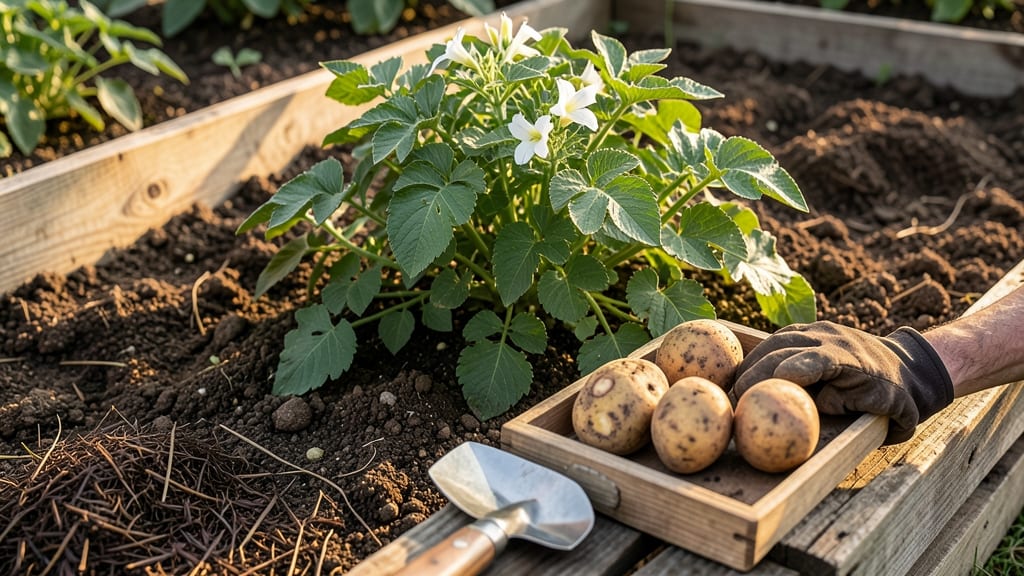
Timing is everything when it comes to growing 🥔 potatoes in Pennsylvania, and planting too early or too late can mean the difference between a bumper harvest and a disappointing yield.
With the state's unpredictable spring weather—where frost can linger into April—knowing the exact window for your chosen variety is the key to success.
Most Pennsylvania gardeners aim to plant potatoes 2-4 weeks before the last frost date, typically between mid-March and early April, when soil temperatures reach a steady 45°F.
But not all potatoes thrive on the same schedule: early varieties like Yukon Gold can handle cooler soils, while late-season types need warmer conditions to prevent disease.
In this guide, I’ll break down the optimal planting windows for Pennsylvania’s USDA Zone 6a, including adjustments for microclimates like Pittsburgh’s cooler springs or Philadelphia’s occasional late frosts.
You’ll also discover how to extend your growing season with row covers and choose the best varieties for your region’s short or long harvest windows.
Whether you’re a first-time gardener or a seasoned grower, getting the timing right ensures healthier plants, fewer pests, and potatoes that reach their full potential by summer. Let’s dig in!
Pennsylvania potato planting calendar: frost-free dates by variety type
Timing is everything when planting potatoes in Pennsylvania, where last frost dates can vary by 2-3 weeks across regions. Most of the state falls in USDA Zones 5-7, but microclimates—especially in the Poconos Mountains or Philadelphia suburbs—demand flexibility.
For early varieties like Yukon Gold, I start planting as soon as soil warms to 45°F (usually mid-March to early April), while late-season varieties like Russet Burbank wait until late April to early May.
Pennsylvania’s average last frost date hovers around April 15, but don’t rely on averages—check your local National Weather Service or Penn State Extension for updates.
In Pittsburgh (Zone 6b), I’ve planted Irish Cobbler as early as March 20, while in Philadelphia (Zone 7a), I wait until April 1. Rural areas with higher elevations may need to delay by 1-2 weeks.
Here’s how to align your planting with Pennsylvania’s frost-free windows and variety maturity:
For early varieties, I recommend Red Pontiac or Kennebec—both thrive in Pennsylvania’s cooler springs and resist late blight, a common disease here. Mid-season favorites like Yukon Gold and Adirondack Red offer versatility, while late-season varieties such as Russet Burbank need the extra time to bulk up before first frost (typically October 15).
If you’re in southern PA (Zones 7a–7b), you can push early plantings to mid-February under row covers, but most gardeners wait until soil temperatures consistently stay above 45°F. In northern PA (Zones 4b–5a), I delay until after April 1 to avoid frost damage to sprouting tubers.
Use a soil thermometer—planting too early in cold soil can stunt growth.
Regional adjustments matter: Philadelphia’s urban heat island effect may allow 1–2 weeks earlier planting than rural Lancaster County. Elevation also plays a role—mountainous areas like the Poconos often see later frosts, so I recommend planting 2 weeks later than the state average.
Always monitor local weather forecasts and be ready to protect seedlings with frost cloth if nights dip below 32°F.
For container growing, start seed potatoes indoors in late February using grow lights or a sunny windowsill.
Transplant outdoors after last frost, ensuring containers are at least 12 inches deep to accommodate tuber growth. Fingerling varieties like French Finger adapt well to containers and mature faster, making them ideal for short-season gardens.
Remember: Potatoes need 6–8 hours of sun daily, so choose a south-facing spot with well-draining soil. Amend heavy clay soils with compost or sand to prevent waterlogging, which can rot tubers.
After planting, hill soil around stems as they grow to encourage tuber formation and prevent greening from sunlight exposure.
🌱
How to adjust planting dates for Pennsylvania’s microclimates and frost risks
Pennsylvania’s diverse geography means frost dates can vary by hundreds of miles—Philadelphia’s last spring frost often arrives weeks earlier than Pittsburgh’s. If you’re planting early varieties like Irish Cobbler, a late frost can wipe out your crop before it even sprouts.
That’s why I always check my local frost data from the National Weather Service or Penn State Extension before breaking out the seed potatoes.
For mountainous regions (like the Poconos), aim to plant 2–3 weeks later than the state average. Higher elevations stay colder longer, and soil warms more slowly. Meanwhile, gardeners in southeastern PA (like Chester County) can often plant early varieties by mid-March, thanks to milder winters.
Always use a soil thermometer—potatoes need 45°F+ soil to sprout reliably, and cold soil can delay germination for weeks.
Even if your last frost date is April 15, early potatoes planted in March might still face surprise frosts. Use row covers or cold frames to protect seedlings until May. If temperatures drop below 28°F, cover plants immediately—potatoes are not frost-tolerant once sprouted.
Staggered planting is my secret weapon for Pennsylvania’s unpredictable spring. Plant early varieties (60–90 days to maturity) in early April, then follow with mid-season (90–110 days) in mid-April and late varieties (110+ days) in late April. This spreads out your harvest and reduces risk.
For example, Yukon Gold (90 days) planted in early April will be ready by early July, while Russet Burbank (120 days) planted in late April harvests in late August.
If you’re in a low-lying area (like the Susquehanna River Valley), watch for late spring frosts—they’re more common in valleys than on hillsides. I’ve lost entire fingerling potato crops to these "black frost" events.
To mitigate, plant heat-loving varieties like Red LaSoda in warmer microclimates (e.g., near blacktop or south-facing fences) where soil warms faster.
For container growers, time is even more critical. Potatoes in pots heat up faster and dry out quicker, so I plant mine 1–2 weeks earlier than in-ground varieties. Use black pots to absorb heat and mulch heavily with straw to retain moisture.
If you’re using grow bags, fill them 3/4 full with soil before planting—this gives tubers room to expand without overheating.
Finally, don’t forget fall planting for short-day varieties like Kennebec or Atlantic. In southern PA (Zones 6b–7a), you can plant late August to early September for a winter harvest in October–November.
Just be prepared to harvest before hard frosts—tubers left in cold soil develop toxic glycoalkaloids (green skin = danger).
🌱