
Plants
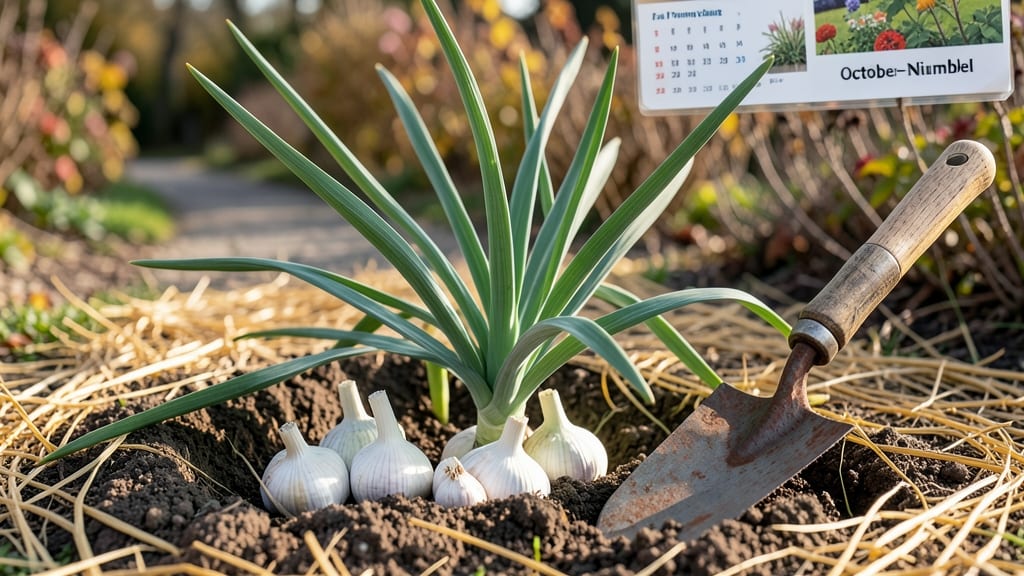
Minnesota garlic planting calendar: hardneck vs softneck timing explained
Minnesota’s cool climate and short growing season make fall planting the golden rule for garlic—especially when choosing between hardneck and softneck varieties. The key? Planting 4-6 weeks before the ground freezes, typically between mid-October and early November for most of the state.
But timing isn’t one-size-fits-all here, thanks to Minnesota’s USDA hardiness zones 4a-5b and unpredictable weather.
Hardneck garlic, the preferred choice for Minnesota, thrives in cold winters and produces those prized hardneck scapes. Softneck, while less common, can also succeed if planted earlier.
The difference in timing comes down to cold stratification needs—hardneck varieties require winter chill to form bulbs, while softneck can handle milder conditions.
Here’s the breakdown: In northern Minnesota (zones 4a-4b), aim for late September to mid-October to avoid early frosts. In southern Minnesota (zones 5a-5b), you’ve got a bit more flexibility, with mid-October to early November being ideal.
The goal? Let the cloves establish roots before the ground freezes, but avoid planting too early when soils may still be warm.
| Garlic Type | Best Planting Window | Soil Temp Goal | Key Consideration |
|---|---|---|---|
| Hardneck | Mid-October to early November | 40-50°F (4-10°C) | Needs winter chill; plant before hard frost |
| Softneck | Late September to early October | 50-60°F (10-15°C) | Less cold tolerance; avoid late planting |
| Both Types | 4-6 weeks before freeze | N/A | Cloves must root before winter dormancy |
Pro tip: Use a soil thermometer to check temperatures—40-50°F (4-10°C) is ideal for hardneck varieties. If your soil is still above 50°F (10°C) in October, wait a few days.
For softneck garlic, you can plant slightly earlier, but avoid warm soils that might spur early growth before winter sets in.
Minnesota’s first hard frost typically arrives in mid-October, but it can vary wildly—some years bring frost by late September, while others delay until November. To hedge your bets, plant in two batches: one in late September and another in early October.
This insurance strategy ensures at least one batch establishes roots before the ground freezes.
Don’t forget that hardneck garlic produces scapes in early summer, which you can harvest for extra flavor. These varieties also store better than softneck, making them the top choice for Minnesota gardeners. Popular hardnecks like ‘Music’ and ‘German White’ are well-suited to our climate.
If you’re in Zone 5b (southern Minnesota), you might push planting to early November, but avoid waiting until December—cloves won’t root in time. For Zone 4a (northern Minnesota), late September to mid-October is your best window.
Always plant cloves with the root end down and 6 inches apart for optimal growth.
One common mistake? Planting garlic too early when soils are still warm. This can lead to premature sprouting and weak roots before winter. Aim for cool but workable soil—just warm enough to break ground easily. If your soil feels like a summer day, wait a week or two.
Finally, remember that Minnesota’s growing season means garlic won’t be ready to harvest until mid-to-late July of the following year. Proper fall planting sets the stage for a bountiful harvest—so don’t rush it! With the right timing, you’ll be enjoying homegrown garlic in time for summer recipes. 🧄
How to adjust planting time for Minnesota’s unpredictable fall weather
Minnesota’s fall weather can be as unpredictable as a snowstorm in May—one week you’re enjoying 60-degree sunshine, and the next, a hard frost blankets your garden overnight. This variability makes garlic planting a delicate dance between timing and adaptability.
The key is flexibility: knowing when to plant, but also when to delay or adjust for Mother Nature’s mood swings.
For most of Minnesota (USDA zones 4a-5b), the ideal planting window stretches from late September to early November, but early frosts or warm spells can push you outside this range.
If your soil stays above 40°F later than usual, don’t panic—garlic cloves can handle light frosts once planted, but they’ll rot if the ground is waterlogged or freezing.
Planting too early? Garlic cloves may sprout prematurely and get frost damage before winter. Planting too late? They won’t establish roots before the ground freezes, leading to poor yields or rot. Aim for 4-6 weeks before your first hard frost—typically mid-October to early November in most of MN.
Use a soil thermometer to guide decisions. Garlic cloves need soil temps between 40°F and 50°F to root properly. If your soil is still warm or dry in late October, wait a week or two—better late than sorry.
Pro tip: Test soil moisture too; cloves planted in soggy soil will rot before winter.
Mulching is your best friend in Minnesota’s unpredictable winters. After planting, cover beds with 4-6 inches of straw or leaves to insulate cloves from freeze-thaw cycles. This protects them from heaving (when soil expands and contracts, pulling bulbs out of the ground) and keeps moisture levels steady.
Remove mulch in early spring once shoots emerge.
What if an early frost hits before you plant? Don’t stress—garlic cloves can be stored in the fridge for 2-3 weeks while you wait for safer conditions. Just keep them in a paper bag (not plastic!) to prevent condensation and rot.
For a last-minute backup, try planting in containers and move them to a sheltered spot if frost threatens.
Spring planting is a last-resort option for Minnesota gardeners, but it’s possible if fall planting was impossible. Plant cloves in early April as soon as soil is workable, but expect smaller bulbs since they’ll grow through the summer heat without a winter chill period.
This method works best for softneck varieties, which are more forgiving than hardnecks.