
Plants
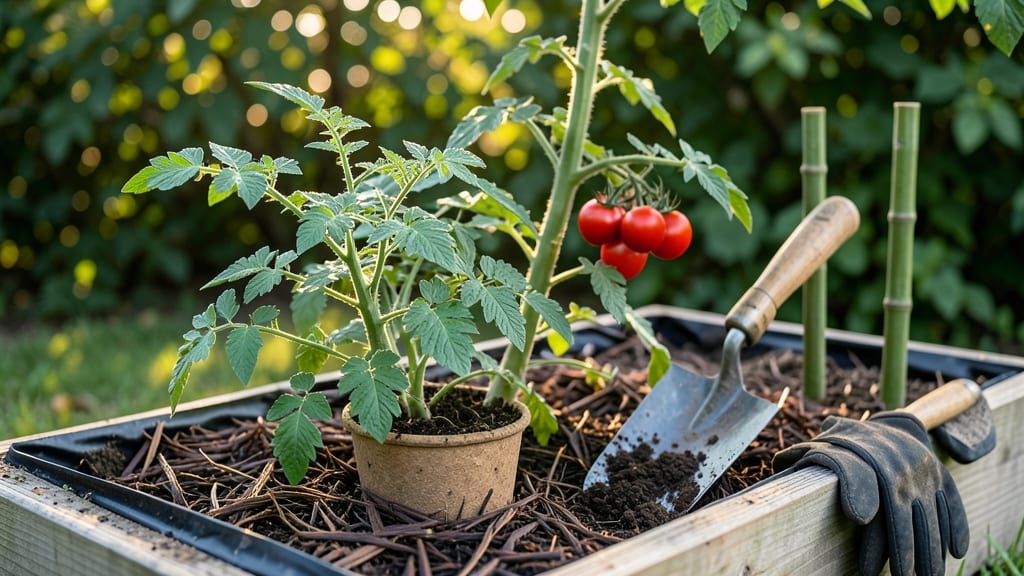
Ohio tomato planting timeline by Zone (6a vs. 6b): exact dates
Ohio’s USDA Zones 6a and 6b create slightly different planting windows for tomatoes, thanks to subtle temperature variations. In Zone 6a, the last average frost typically arrives around April 15, while Zone 6b sees it about a week earlier, near April 8.
These dates mark your starting point—but don’t rush! Tomatoes thrive when soil temperatures hit at least 60°F (15°C), which often lags behind the last frost by 1-2 weeks.
For both zones, the ideal transplanting window spans from mid-April to early May. This timeline balances frost risk with soil warmth, giving seedlings the best chance to establish strong roots before summer heat arrives.
Planting too early risks frost damage, while waiting too long may stunt growth due to heat stress.
Here’s how to time it perfectly for your Ohio garden:
| Zone | Last Frost Date | Soil Temp Requirement | Ideal Planting Window | Key Tip |
|---|---|---|---|---|
| 6a | April 15 | 60°F+ (15°C+) | April 22 – May 10 | Use row covers if nights dip below 50°F (10°C). |
| 6b | April 8 | 60°F+ (15°C+) | April 15 – April 30 | Start with early varieties for faster harvests. |
If you’re starting seeds indoors, begin 6-8 weeks before your zone’s last frost date. For Zone 6a, that means late February to early March, while Zone 6b gardeners can start slightly later, around early March.
Use grow lights to prevent leggy seedlings, and harden them off for 1-2 weeks before transplanting.
For container gardening, black pots absorb heat faster, so monitor soil temps closely. Place containers in south-facing spots and use self-watering systems to maintain consistent moisture—containers dry out 3x faster than in-ground beds during Ohio’s hot summers.
Ohio’s first frost typically arrives around October 15, cutting the growing season short. To extend harvests, try succession planting: sow new seeds every 2 weeks from May through June. This staggered approach ensures a steady supply of tomatoes before frost sets in.
Pro tip: Use a soil thermometer to confirm readiness. Tomatoes won’t thrive in cold soil, even if air temps are warm. Aim for consistent 60°F+ readings at a 2-inch depth before planting. If soil is too cool, wait—your patience will pay off with healthier plants and bigger yields.
For northern Ohio (closer to Zone 5b), err on the side of caution and plant 2 weeks later than Zone 6a guidelines. Southern Ohio gardeners in Zone 7a can push planting to early June for a late-season harvest, but be prepared for shorter daylight hours.
Remember: Ohio’s weather is famously unpredictable. Always have row covers or cold frames on hand to protect young plants from late frosts. With the right timing and a little flexibility, you’ll enjoy homegrown tomatoes from July through September—or even longer with succession planting!
How to adjust tomato planting for Ohio’s unpredictable weather
Ohio’s spring weather can be as unpredictable as a toddler’s mood—one day sunny, the next a surprise frost. To protect your tomato plants from late frosts or cool snaps, I’ve learned to play it smart with row covers, season extenders, and early-maturing varieties.
These tricks help me squeeze every last day out of Ohio’s 165-day growing season, even when Mother Nature throws curveballs.
First, always check your local last frost date—it’s not set in stone. In Zone 6a, the average last frost is April 15, but I’ve seen it creep into May 1 some years.
For Zone 6b, it’s typically April 25. To hedge your bets, I recommend using frost cloth or hoop houses until you’re certain the coast is clear.
🌡️ Late Frost Warning
If frost threatens after planting, cover seedlings immediately with frost cloth or a lightweight blanket. Remove covers during the day to prevent overheating. Never use plastic sheeting—it traps too much heat and can scorch young plants.
For extra insurance, I plant early-maturing varieties like ‘Early Girl’ or ‘Stupice’, which can produce fruit in just 60-65 days. These give me a head start if summer arrives late.
Pair them with succession planting: sow a second batch of seeds 2-3 weeks after your first planting to stagger your harvest through July and August.
Ohio’s humidity also demands vigilance. Overhead watering can spread fungal diseases like early blight, so I water at the base of plants in the morning only. If a heatwave hits, I mulch heavily with straw to keep roots cool and retain moisture.
And if a late summer cold snap looms, I harvest any near-ripe tomatoes and bring them indoors to ripen on a counter.
Finally, don’t overlook container gardening for balconies or patios. Pots warm up faster in spring and can be moved to sheltered spots if frost threatens. Just ensure containers have drainage holes and use lightweight potting mix to prevent root rot.
With these adjustments, I’ve turned Ohio’s fickle weather into an advantage—my tomatoes thrive even when the forecast is less than cooperative. The key? Stay flexible and always have a backup plan. 🌱