Plants
Planting cantaloupe seeds in Texas isn’t just about dropping them in the dirt—it’s a high-stakes game of beating the heat and avoiding bolting before your vines even get a chance to fruit.
With Texas’s brutal summers and unpredictable frost dates, timing is the difference between a bountiful harvest and a wasted season.
If you’ve ever watched your cantaloupe plants bolt into flowers too fast—only to wilt under 100°F heat—you know the frustration. The key is planting when soil temperatures hit 70°F+, but not so early that a late frost catches your seedlings off guard.
For most of Texas (zones 8a-10a), that means waiting until mid-March to early June for spring plantings or late July to early August for a fall crop.
I’ve grown cantaloupes in Texas for years, and the most important lesson I learned? Don’t rush it. Starting seeds indoors 4-6 weeks before the last frost date gives you a head start, but even then, you’ll need to harden them off carefully.
The alternative? Direct-sowing after all frost risk has passed—but that means waiting until the air and soil are consistently warm.
Ready to avoid the common pitfalls? I’ll walk you through the exact planting windows for North, Central, and South Texas, plus the heat-resistant varieties that actually thrive in our climate. Let’s get those 🍈 seeds in the ground the right way.
Texas cantaloupe planting calendar: best months by region to avoid heat stress
Texas’s diverse climate means cantaloupe planting times vary wildly from North to South Texas. In North Texas (USDA Zones 7b-8a), like Dallas-Fort Worth, wait until mid-April after the last frost (typically March 15) and soil warms to 70°F+.
Plant too early, and your seedlings will bolt from cold snaps—a common mistake in East Texas’s unpredictable spring weather.
Central Texas (Zones 8a-8b, Austin-San Antonio) offers a 2-month window: start seeds indoors in late February for transplanting by mid-March, or direct-sow by early April. The key? Soil thermometers—cantaloupes won’t germinate below 65°F, but roots struggle in 90°F+ soil.
South Texas (Zones 9a-10a, Houston-Corpus Christi) can plant as early as February—but only if using heat-tolerant varieties like ‘Athena’ or ‘Hale’s Best’.
The region’s longer growing season (up to 270 frost-free days) lets you try a fall crop too: sow seeds in late July for a September harvest before first frost.
🌱
| Region | Last Frost Date | Best Planting Window | Soil Temp Threshold | Heat Risk |
|---|---|---|---|---|
| North Texas (Dallas-Fort Worth) | March 15 | Mid-April to May 1 | 70°F+ | High (May heat stress) |
| Central Texas (Austin-San Antonio) | March 1 | Late Feb (indoors) / Early April (outdoors) | 65°F+ (germination) | Moderate (June bolting risk) |
| South Texas (Houston-Corpus Christi) | January 15 | February OR Late July | 75°F+ (optimal) | Low (year-round options) |
For North Texas, focus on early-maturing varieties like ‘Ambrosia’ (65 days) to avoid July heat stress.
In Central Texas, succession plant every 2 weeks from April to June to stagger harvests. South Texas gardeners can push limits with ‘Minnesota Midget’ (compact vines) or ‘Golden Midget’ for container growing.
Pro tip: Use a planting calendar app like Gardenate or set phone alerts for your region’s last frost date. I once lost a $50 cantaloupe seed order by planting too early in East Texas—don’t make my mistake!
🌡️
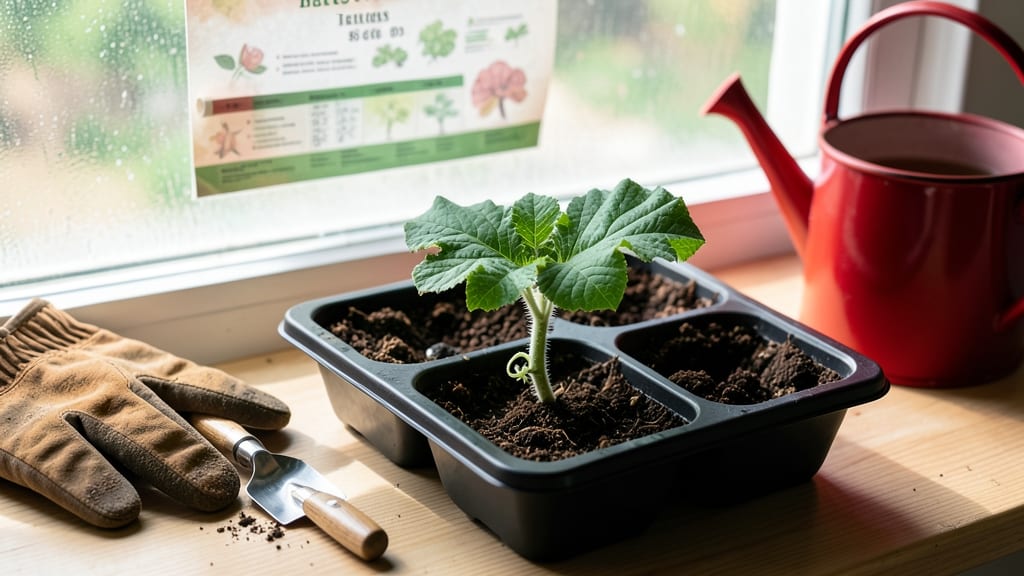
Direct-sowing is easiest, but indoor starts give you a 2-week head start. Use biodegradable pots and transplant seedlings when they have 2-3 true leaves. Harden off plants for 5-7 days before moving them outside—this reduces transplant shock in Texas’s swinging temperatures.
Watch for soil-borne diseases like fusarium wilt in overly wet springs. Rotate crops annually and avoid planting cantaloupes where cucumbers or melons grew the prior year. In West Texas, where water is scarce, opt for drought-tolerant varieties like ‘Crimson Sweet’ and mulch heavily to retain moisture.
💧
Remember: Texas heat is unforgiving. If your seedlings yellow or wilt within days of transplanting, they’re likely struggling from heat stress. Move them to a shadier spot temporarily or use shade cloth (30-50%) until they acclimate.
And always water deeply in the morning—never at night—to prevent fungal issues.
Texas cantaloupe planting calendar: best months by region to avoid heat stress
Texas’s extreme heat and varied climate make cantaloupe planting timing a critical factor for success. Unlike cooler climates, Texas gardeners must align planting with soil temperatures of 70°F+ and regional frost-free dates to prevent heat stress or bolting.
North Texas has later last-frost dates (February 15) compared to South Texas (January 15), creating a 30-day window difference in ideal planting times.
For North Texas (USDA Zones 8a-8b), aim to sow seeds mid-March to early April for spring harvests. This timing ensures seedlings establish roots before consistent 90°F+ days arrive in May.
In Central Texas (Zones 8b-9a), shift planting to late February to early March to capitalize on longer growing seasons. South Texas (Zones 9b-10a) gardeners can start as early as January 15, but watch for unpredictable rain patterns that can delay germination.
🌱 Texas Cantaloupe Planting Windows by Region
| Region | USDA Zone | Last Frost Date | Ideal Planting Window | Soil Temp Threshold |
|---|---|---|---|---|
| North Texas | 8a-8b | February 15 | Mid-March to Early April | 70°F+ |
| Central Texas | 8b-9a | February 1 | Late February to Early March | 70°F+ |
| South Texas | 9b-10a | January 15 | January 15 to February 15 | 70°F+ |
💡 Pro Tip: Use a soil thermometer to confirm 70°F+ before planting—cold soil delays germination.
If you miss the spring window, don’t despair—Texas’s long growing season allows for a second planting in late July to early August for fall harvests. This strategy works best in South and Central Texas, where first frosts arrive later (November 15 vs. November 1 in North Texas).
However, beware of hurricane season (June-November), which can damage vines or delay fruit ripening.
For heat-tolerant varieties like ‘Athena’ or ‘Hale’s Best’, you can push planting to early June in North Texas, but expect smaller yields. These varieties handle 95°F+ temperatures better than standard cantaloupes, making them ideal for Texas’s summer heat.
Always pair with drip irrigation to maintain consistent moisture without wetting foliage, which reduces powdery mildew risk.
One common mistake is planting too early in North Texas—seeds sown in February often rot in 60°F soil or get fried by April heat waves. Instead, opt for transplants from local nurseries in early April if your soil hasn’t warmed enough.
For South Texas, early January plantings may bolt prematurely if days exceed 85°F before fruits set.
Monitor your local AgriLife Extension forecasts for 30-day outlooks, as Texas’s weather shifts rapidly. Adjust planting dates by 1-2 weeks if forecasts predict unseasonable heat or rain. With the right timing, you’ll enjoy homegrown cantaloupes from June through October—no grocery store melons needed! 🍈