
Plants
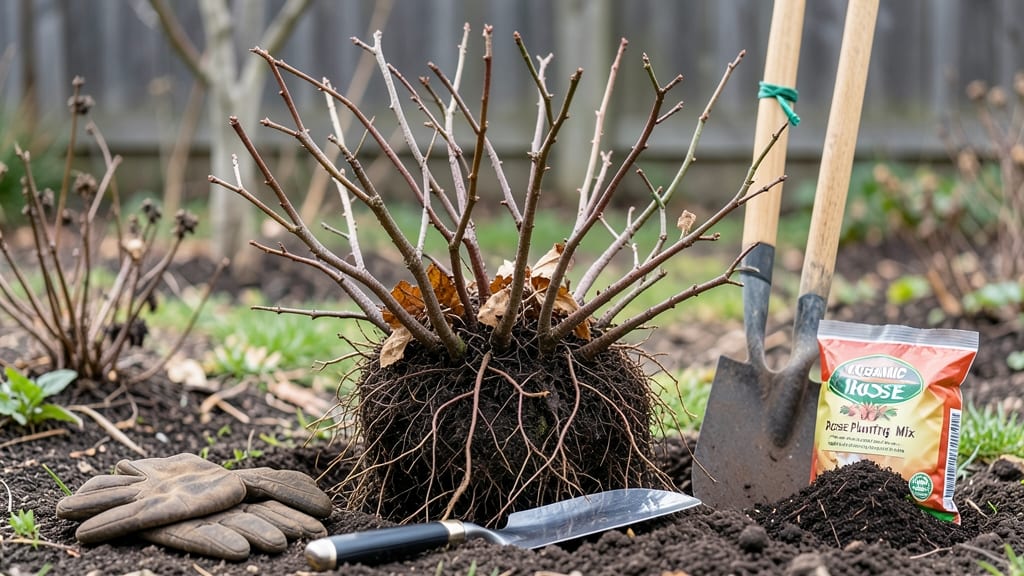
Timing your bare root rose planting in Zone 6 can make or break your garden's success—plant too early, and frost will damage delicate roots; too late, and your roses may struggle to establish before summer heat sets in.
If you're eager to see your 🌹 thriving with vibrant blooms by next season, understanding the exact weeks before last frost is the key.
In Zone 6, where winters linger and springs can be unpredictable, planting 4-6 weeks before your average last frost date (typically mid-April) gives roots the perfect window to settle in without stress.
But here's the catch: soil temperature matters just as much as calendar dates. Cold, soggy soil can stunt growth, while warm, well-drained soil speeds up root development. I'll walk you through how to check soil readiness and avoid common pitfalls that turn promising plants into sad statistics.
Ready to transform your garden? Let's dive into the science-backed timing, soil prep secrets, and post-planting care that will have your roses reaching for the sky by summer. Your future blooms will thank you!
Exact weeks before last frost to plant bare root roses in Zone 6
Timing is everything when planting bare root roses in Zone 6. The ideal window is 4-6 weeks before your last frost date, typically mid-March to early April for most Zone 6 regions.
This gives roots time to establish before summer heat arrives. For example, if your last frost is April 15, aim to plant by March 15-22.
Zone 6 spans 6a (0-5°F) and 6b (5-10°F) sub-zones. Cooler 6a areas like Chicago or Minneapolis may need to plant slightly earlier (late February), while warmer 6b areas like Atlanta or Raleigh can wait until early April. Always check your local frost dates for precision.
Soil temperature is just as critical as air temperature. Bare root roses thrive when soil reaches 50-55°F. Use a soil thermometer to verify—planting too early in cold soil (40°F or below) stresses roots and delays growth.
Warmer southern Zone 6 areas hit this threshold by late February, while northern areas wait until March.
Missed the spring window? Early fall planting (6-8 weeks before first frost) is your second chance. In Zone 6, this means late August to mid-September. Fall-planted roses establish roots before winter dormancy, giving them a head start in spring.
However, avoid planting after September 15—roots won’t have enough time to harden off before frost.
Here’s how regional variations affect your timing:
| Region | Last Frost Date | Planting Window | Soil Temp Goal |
|---|---|---|---|
| Northern Zone 6a (e.g., Chicago, Minneapolis) | April 15-May 1 | Late February–March 15 | 50–55°F (March) |
| Central Zone 6 (e.g., Indianapolis, Kansas City) | April 1–April 15 | March 1–March 25 | 50–55°F (late Feb–March) |
| Southern Zone 6b (e.g., Atlanta, Raleigh) | March 15–April 1 | February 15–March 15 | 50–55°F (Feb–March) |
| Fall Planting (All Zone 6) | October 15 | August 15–September 15 | 60°F+ (soil) |
Watch for bud break—a sure sign you’ve planted too late. If buds swell or leaves emerge before roots establish, they’ll freeze back in late frosts. In Zone 6, late frosts can hit until May 10, so avoid planting after April 1 in most areas.
For extra safety, use frost cloth if temperatures dip below 28°F after planting.
Pro tip: Soak bare roots for 4-6 hours before planting to rehydrate them. This jumpstarts root growth and reduces transplant shock. Combine this with a mycorrhizal fungus treatment to boost early root development. In Zone 6’s humid summers, this prep is especially valuable to prevent fungal issues.
After planting, mulch heavily (3–4 inches) with compost or straw to insulate roots. This helps maintain consistent soil temps and retains moisture—critical in Zone 6’s hot, dry summers. Avoid organic mulches like wood chips, which can acidify soil over time and stress roses.
Monitor your roses’ progress by checking for new growth within 3-4 weeks. If no shoots appear, gently dig around the base to see if roots are white and firm.
Slow growth? Amend soil with composted manure or bone meal for phosphorus to encourage root development. In Zone 6, early spring is the best time to add these amendments before planting.
Remember: Zone 6’s short growing season demands precision. Planting at the right time ensures your roses have 6-8 weeks of root growth before summer heat arrives. With the perfect timing, you’ll enjoy vibrant blooms from June through fall—and healthier plants year after year. 🌹
Exact weeks before last frost to plant bare root roses in Zone 6
In Zone 6, timing is everything when planting bare root roses. The ideal window is 4-6 weeks before your last expected frost date, typically between mid-March and early April.
This gives roots time to establish before the growing season peaks. For example, if your last frost is April 15, aim to plant by March 15-25.
Zone 6 spans 6a (hardier) to 6b (warmer) sub-zones. In 6a, plant slightly earlier (4 weeks out) due to colder soil. In 6b, you can stretch to 6 weeks out before warmer soils speed up growth.
Always check your local frost dates—they vary by 1-2 weeks even within the same zone.
Soil temperature is your best guide. Bare root roses need soil at 50°F (10°C) or warmer. Use a soil thermometer to confirm—cold soil slows root growth and invites rot. In northern Zone 6, this might mean waiting until late March, while southern areas can start in early March.
🌱 Zone 6 Bare Root Rose Planting Timeline
| Time Before Last Frost | Zone 6a (Colder) | Zone 6b (Warmer) | Key Consideration |
|---|---|---|---|
| 4-5 Weeks Out | Early March | Late February | Soil may still be too cold; wait for 50°F+ |
| 5-6 Weeks Out | Mid-March | Early March | Ideal window for most Zone 6 gardeners |
| 6+ Weeks Out | Late February | Late February | Risk of frost damage if planted too early |
⏰ Pro Tip: Use a frost calendar from your local Cooperative Extension Service for precise dates.
Never plant bare root roses when buds are swelling—this signals the plant is waking up and needs active growth. If you see green tips on canes, you’ve missed the window. Instead, wait until dormant canes (brown/bare) are ready to sprout, but soil is warm enough for roots to grow.
For fall planting in Zone 6, aim for 6-8 weeks before first frost (typically September 15-October 1). This gives roots time to establish before winter dormancy. However, fall planting is riskier—only attempt it if your soil stays above 40°F (4°C) for 4+ weeks after planting.
Watch for unpredictable late frosts, especially in Zone 6a. If a frost warning hits after planting, protect your roses with frost cloth or a row cover.
Young roots are delicate—freezing soil can kill them before they establish. Always have a backup plan for late-season cold snaps.