How To
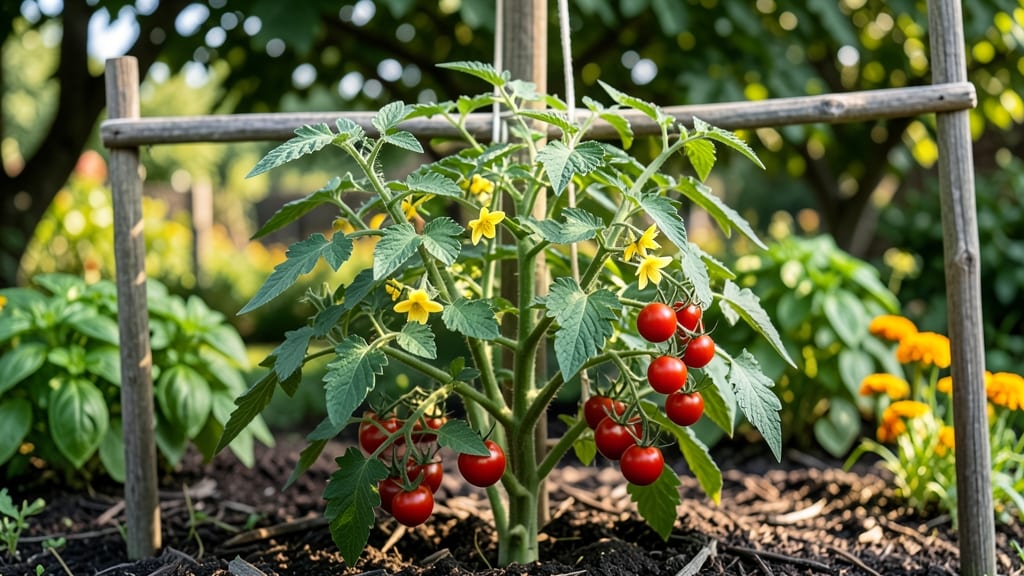
Wondering how tall does a cherry tomato plant grow before it takes over your garden? The answer might surprise you—some varieties stay as small as 1 foot, while others can stretch toward the sky like a jungle vine, reaching 10 feet or more!
Whether you're working with a tiny balcony or a sprawling backyard, choosing the right type can make all the difference in your harvest.
Cherry tomatoes aren’t one-size-fits-all, and their height depends entirely on whether you pick a determinate (bush) or indeterminate (vining) variety.
Determinate types top out around 3-4 feet, making them perfect for containers, while indeterminate varieties can keep growing all season long—sometimes needing a sturdy trellis or cage to support their weight. The key is matching your space to the plant’s natural growth habit.
If you’re dreaming of 🍅 cherry tomatoes but worried about limited room, don’t stress—there are plenty of compact options that thrive in pots or small gardens. Some even produce just as well as their taller cousins, proving that big flavor doesn’t require big space.
Let’s break down the best choices for your setup and how to keep your plants happy, no matter their height.
Ready to grow? I’ll show you how to pick the right variety, train your plants to save space, and maximize your harvest—whether you’re working with a 5-gallon bucket or a full garden bed. Your future tomatoes are waiting!

Cherry tomato plant height guide: determinate vs indeterminate varieties explained
When planning your cherry tomato garden, the first question I ask myself is: how tall will this plant grow? The answer depends entirely on whether you're growing determinate or indeterminate varieties.
These two types have completely different growth habits that directly impact your space planning, yield potential, and even pruning needs. Let me break down the key differences so you can choose the perfect fit for your garden.
Determinate cherry tomato plants are the bush-type varieties that stay compact, typically reaching 2 to 4 feet tall. They produce fruit all at once in a single harvest window, making them ideal for container growing or small gardens.
Indeterminate varieties, on the other hand, grow continuously throughout the season, often reaching 6 to 10 feet tall with proper support. Their vines keep producing flowers and fruit until frost.
Here's the comparison-table that clearly shows how these growth habits differ:
| Feature | Determinate Varieties | Indeterminate Varieties |
|---|---|---|
| Mature Height | 2-4 ft | 6-10+ ft |
| Growth Habit | Bushy, compact | Vining, sprawling |
| Fruiting Pattern | Single harvest | Continuous harvest |
| Space Needs | 18-24" spacing | 3-4 ft spacing (or trellis) |
| Pruning Needs | Minimal pruning | Regular pruning |
| Best For | Containers, small gardens | Trellises, large gardens |
The height difference between these types is dramatic, but it's not just about space. Determinate plants focus their energy on producing fruit all at once, while indeterminate plants spread their fruiting over months.
This means indeterminate varieties often produce more total fruit in a season, but they require more attention to support and pruning. For example, my Sungold cherry tomatoes (indeterminate) reached 8 feet tall last summer and kept producing until the first frost!
Your choice between determinate and indeterminate varieties should depend on your garden space and harvest preferences. If you're working with limited space like a balcony or patio, determinate varieties are your best bet. They thrive in 5-gallon containers and don't require staking.
For larger gardens where you can provide support, indeterminate varieties offer a longer harvest season and often sweeter flavors as they ripen slowly in the sun.
Another factor affecting height is your pruning approach. Even indeterminate plants can be kept shorter with regular pruning, though this may reduce overall yield. I like to prune my indeterminate plants to about 5-6 feet tall to make harvesting easier.
The key is to remove suckers (the small shoots that form in the leaf axils) regularly to encourage stronger main stems and better air circulation.
Remember that climate also plays a role in how tall your cherry tomato plants grow. In warmer climates with longer growing seasons, indeterminate varieties may grow even taller and produce fruit for a more extended period. In cooler climates, you might see more compact growth.
Last year, my neighbor in Zone 5 grew the same indeterminate variety I did in Zone 7, but hers only reached about 4 feet tall compared to my 7-foot plants.
If you're new to growing cherry tomatoes, I recommend starting with a determinate variety like 'Tiny Tim' to get a feel for the plant's growth habits. Once you're comfortable, you can experiment with indeterminate varieties and learn the art of pruning and staking.
The key to success is understanding that height management is just as important as soil prep and watering for a productive harvest.
No matter which type you choose, always plant your cherry tomatoes in well-draining soil with plenty of organic matter. These plants are heavy feeders, so a balanced fertilizer (like 5-10-10) applied every 4-6 weeks will help them reach their full potential height while producing abundant fruit. And
🌱
Cherry tomato plant height guide: determinate vs indeterminate varieties explained
When choosing cherry tomatoes, the first thing to consider is height. Varieties fall into two main categories: determinate (bush types) and indeterminate (vining types), each with distinct growth habits. Determinate plants typically reach 3-4 feet tall and stop growing once they start fruiting, making them ideal for containers.
Indeterminate varieties, on the other hand, can grow 6-10 feet tall or more, producing fruit continuously throughout the season.
Understanding these differences helps you plan your garden layout. Determinate plants are perfect for small spaces or windowsills, while indeterminate types need trellises, stakes, or cages to support their vines. The height also affects sunlight exposure—taller plants may need pruning to ensure lower branches get adequate light.
For example, a 6-foot indeterminate plant in a small yard might require vertical training to avoid shading nearby plants.
| Type | Height Range | Growth Habit | Best For |
|---|---|---|---|
| Determinate | 3–4 ft | Bushy, compact | Containers, small gardens |
| Indeterminate | 6–10+ ft | Vining, continuous growth | Trellises, large gardens |
Another factor influencing height is pruning. Indeterminate varieties benefit from regular pruning to encourage airflow and direct energy toward fruit production. Removing suckers (side shoots) helps control height and improves yield.
For example, pruning a 10-foot indeterminate plant to 6 feet can make it more manageable in a small urban garden while still producing abundant fruit.
Climate also plays a role. In warmer regions, indeterminate varieties may grow taller and faster, while cooler climates can stunt growth. If you’re in a Zone 6a or cooler, opt for dwarf indeterminate varieties like 'Tiny Tim' to keep heights manageable.
Always check the seed packet or plant tag for height estimates—these are your best guide for planning.
For container gardening, choose determinate varieties or dwarf indeterminate types. A 5-gallon pot can comfortably hold a 3-foot determinate plant, while a 10-gallon pot might support a pruned indeterminate variety. Always ensure pots have drainage holes and use a lightweight potting mix to avoid overwatering.
Finally, don’t overlook the impact of support structures. Even determinate plants may need small cages or stakes to prevent sprawling. Indeterminate types absolutely require trellises or stakes to prevent breakage from heavy fruit loads. A well-supported plant not only saves space but also improves air circulation, reducing disease risk.
Whether you’re growing in a backyard, balcony, or windowsill, choosing the right variety and managing height will ensure a bountiful harvest without sacrificing space. 🌱