
How To
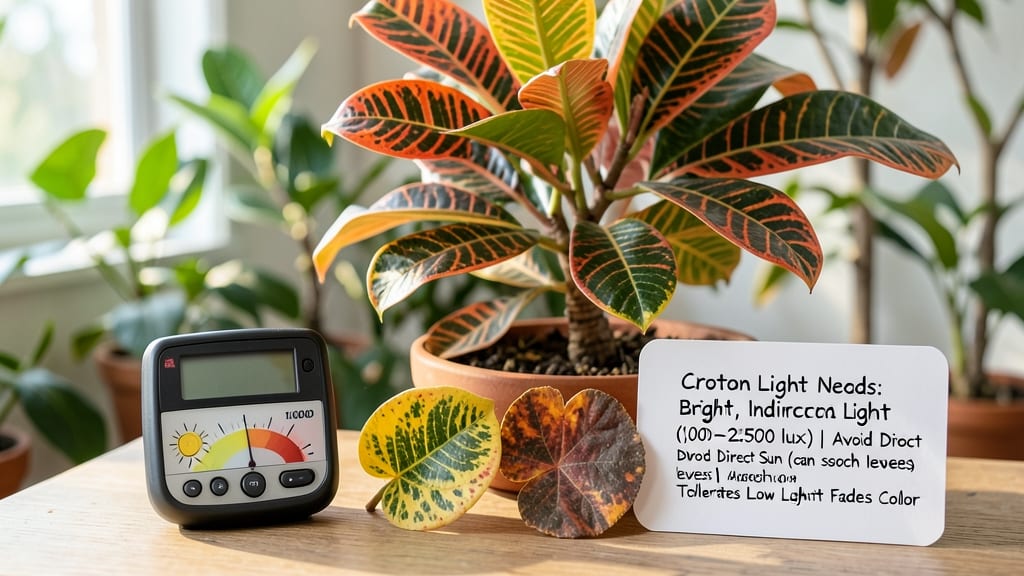
Want to know how much light does a croton plant need to burst with those stunning, multicolored leaves instead of turning dull or crispy? The answer lies in understanding how much light it truly craves—and most people get this part wrong.
Crotons thrive on bright, indirect sunlight, but too much direct sun can scorch those gorgeous leaves while too little leaves them stretching and pale. I’ve seen firsthand how a simple adjustment in placement can transform a struggling croton into a showstopper.
Whether you’re dealing with a leggy indoor plant or one that’s wilting under harsh afternoon rays, I’ll break down the exact light conditions your croton needs—and how to tweak its environment for vibrant, healthy growth.
From the best windows to spot for your plant to signs your croton isn’t getting enough light, you’ll learn exactly what to watch for and how to fix it—so you can enjoy those bold, colorful leaves all year round.


Croton light requirements: the perfect balance of bright indirect sunlight explained
Your croton plant thrives on bright indirect sunlight, but getting the balance right can feel tricky. Too little light dulls those stunning leaves, while too much causes crispy edges. The ideal spot delivers 4-6 hours of filtered sunlight daily, especially morning rays and gentle afternoon shade.
Think of it like a sunbathing session—just enough to keep them glowing without a burn.
Crotons are tropical plants, so they crave consistent brightness similar to their native habitats. In nature, they grow under dappled canopy light, where sunlight filters through leaves. Recreating this at home means positioning your plant near a south-facing window but not directly in harsh afternoon sun.
A sheer curtain can work wonders for diffusing those intense rays.
Here’s the science behind it: Chlorophyll production peaks with bright indirect light, giving your croton those vibrant colors. Without enough light, chlorophyll struggles to form, leading to pale, weak foliage. But too much direct sun? That’s when you’ll see leaf scorch—those brown, crispy patches that ruin the look.
For indoor growers, grow lights can be a game-changer if natural light is lacking. A LED grow light with a full spectrum (red and blue wavelengths) mimics sunlight perfectly. Place it 6-12 inches above your croton for 12-14 hours daily. Just rotate the plant weekly to prevent lopsided growth.
Outdoor crotons need a little more finesse. In USDA Zone 6a or warmer, they can handle partial shade in summer afternoons. But in cooler climates, a south-facing patio with afternoon shade is ideal.
Always acclimate your plant gradually to avoid shock—move it outside for 1-2 hours daily before leaving it out all day.
Now, let’s talk about the golden rule of croton light care: observe and adjust. If leaves start stretching toward the light (a sign of etiolation), it’s time to move your plant closer to a brighter spot.
But if edges turn brown and crispy, it’s getting too much direct sun—time for a sheer curtain or a step back from the window.
Seasonal changes also affect your croton’s light needs. In winter, when sunlight is weaker, move your plant closer to a window or supplement with a grow light.
In summer, watch for those intense afternoon rays—if your croton is outdoors, provide afternoon shade with a lightweight shade cloth or move it to a spot under a tree.
Pro tip: Rotate your croton every 2-3 weeks to ensure even growth. Plants naturally lean toward their light source, so turning them helps maintain a balanced shape and prevents lopsided foliage. This is especially important for indoor plants that don’t get natural light from all directions.
Remember, every croton is unique—some varieties handle more direct light than others. If you’re unsure, start with bright indirect light and adjust based on how your plant responds. With the right balance, your croton will reward you with bold, colorful leaves that’ll be the star of your space. 🌿
How to tell if your croton isn’t getting enough light (and how to fix it)
Your croton’s leaves are the first to scream for help when light levels drop. Leggy stems, pale or yellowing foliage, and loss of vibrant colors are classic red flags.
These signs mean your plant is stretching toward light sources, a clear indicator it’s not getting the 4-6 hours of bright indirect sunlight it craves daily.
Even worse, underwatering can mimic light deprivation—both cause crispy leaf edges. The key difference? Light-starved crotons grow taller and spindlier, while thirsty ones show brown, papery edges. Check your plant’s growth pattern to diagnose correctly.
🌿
🌱 Signs Your Croton Needs More Light
- Move to south-facing windows
- Use grow lights 6-12 inches away
- Rotate plant quarter-turn weekly
- Place near west-facing windows (harsh afternoon sun)
- Use low-watt LED bulbs (under 1000 lumens)
- Ignore leaf scorch (brown patches = too much sun)
For indoor growers, supplemental lighting is a game-changer. A 15W LED grow bulb placed 12 inches above your croton mimics natural sunlight perfectly. Run it for 12-14 hours daily to compensate for weak indoor light. Remember: Morning sunlight is gentler than afternoon rays, so position your plant accordingly.
Outdoor crotons need afternoon shade in hot climates (Zones 8-10) to prevent leaf burn. Use a 30% shade cloth if direct sun exceeds 2 hours daily. Even outdoor plants benefit from dappled shade—think tree canopies or lattice screens for filtered light.
Seasonal adjustments are crucial too. During winter months, supplement with grow lights or rotate your plant to rotate all sides toward windows. In summer, watch for sunburn signs (crispy edges) and move plants to east-facing spots or under sheer curtains.
Finally, don’t over-fertilize a light-deprived croton—extra nutrients won’t fix poor lighting. Focus first on light correction, then adjust watering and feeding. Your croton’s vibrant colors will return within 4-6 weeks of proper light exposure!