
Plants
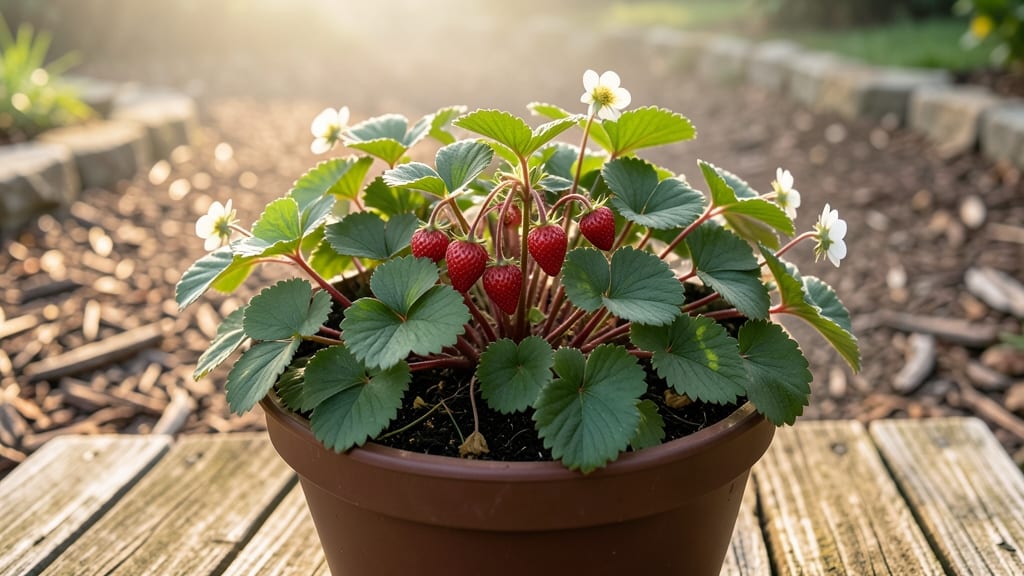
If you’ve ever wondered "how tall does a strawberry plant grow", the answer might surprise you—these sweet little plants pack a lot of flavor into surprisingly compact (or sometimes sprawling) packages.
Some varieties stay as low as 4 inches, while others stretch toward 2 feet, depending on the type and growing conditions. Knowing your strawberry’s height habits can help you plan spacing, trellising, and even container setups for a tidy, productive patch.
The key to managing strawberry height lies in their variety. June-bearing types often stay shorter, perfect for small gardens, while everbearing or day-neutral varieties might send out longer runners.
Whether you’re working with dwarf 🍓 varieties or classic sprawlers, understanding these differences means fewer tangled vines and more berries to harvest. Let’s break down what to expect—and how to keep your plants at their best.
For gardeners in USDA Zone 6a, timing is everything. Planting in March–April gives strawberries the ideal start, but their height growth also depends on sunlight, soil, and pruning. A well-placed trellis or container can transform a sprawling plant into a neat, manageable feature.
Ready to turn your strawberry patch into a space-saving success? Let’s dive into the specifics.
From compact 6-inch varieties to taller runners, strawberry heights vary more than you’d think. The right approach—whether pruning, trellising, or choosing the right spot—can make all the difference.
Whether you’re a beginner or a seasoned gardener, these insights will help you grow strawberries that stay in check while delivering bountiful harvests from June through August.

Strawberry plant height by variety: compact vs. sprawling types
Strawberry plants typically grow between 6 to 12 inches tall, but their height can vary dramatically depending on the variety and growing conditions. Some compact types stay as short as 4 inches, while trailing varieties can spread up to 2 feet wide.
Understanding these differences helps you choose the right plants for your garden space and manage their growth effectively.
Most gardeners focus on three main strawberry categories: June-bearing, everbearing, and day-neutral. Each has distinct height characteristics that influence how you'll cultivate them.
For example, June-bearing varieties like 'Jewel' often grow taller and produce larger fruit, while everbearing types like 'Seascape' stay more compact but yield smaller berries throughout the season.
The height range also depends on whether you're growing dwarf varieties (ideal for containers) or standard types (better for in-ground beds). Some modern hybrids even reach 18 inches when fully mature, though this is less common.
Let's break down the specifics so you can visualize what to expect in your garden.
🍓 Strawberry Plant Height Comparison
| Variety Type | Height Range | Spread Width | Best For |
|---|---|---|---|
| June-bearing (e.g., 'Chandler') | 12-18 inches | 18-24 inches | Large berries, in-ground beds |
| Everbearing (e.g., 'Seascape') | 6-12 inches | 12-18 inches | Containers, small gardens |
| Day-neutral (e.g., 'Ozark Beauty') | 8-14 inches | 16-20 inches | Extended harvest, trellising |
| Dwarf (e.g., 'Albion') | 4-8 inches | 8-12 inches | Containers, hanging baskets |
| Trailing (e.g., 'Fort Laramie') | 6-10 inches | 24+ inches | Vertical gardens, trellises |
Note: Heights are measured from soil level to top leaves. Spread width includes runners.
If you're growing June-bearing strawberries, expect the tallest plants in your garden—often reaching 18 inches when fully loaded with fruit. These varieties send up longer stems to support heavy berries, which is why they need sturdy soil support or mulch to prevent flopping.
I've seen 'Chandler' plants in my raised beds grow nearly 2 feet tall during peak production!
For everbearing varieties, the height stays more consistent at 6-12 inches because they focus energy on continuous fruiting rather than dramatic height growth. This makes them perfect for container gardening or small-space gardens.
My 'Seascape' plants in 5-gallon pots never exceed 10 inches, yet they produce berries from spring until frost.
Day-neutral strawberries like 'Ozark Beauty' strike a balance, growing 8-14 inches tall while producing fruit throughout the season. Their moderate height makes them ideal for trellising or hanging baskets, where you can elevate the fruit off the ground to reduce rot.
I use wire cages for these varieties to keep them contained and make harvesting easier.
Dwarf strawberries are the lowest-growing option, perfect for balcony gardens or hanging planters. Varieties like 'Albion' stay under 8 inches tall and spread only 12 inches wide, making them ideal for urban gardeners.
I've grown them in window boxes with great success—just be prepared for smaller berries compared to standard types.
Trailing strawberries are the sprawling exceptions, growing 6-10 inches tall but sending out runners that spread 2 feet or more. These are perfect for vertical gardening or covering slopes.
'Fort Laramie' is a favorite for this purpose—I train its runners up a chicken wire trellis to create a living strawberry curtain!
Remember that soil quality and sunlight exposure also affect height. Plants in poor soil may grow taller but weaker, while those in rich compost stay compact and robust. Always amend your soil with organic matter before planting to encourage healthy, proportional growth.
Strawberry plant height by variety: compact vs. sprawling types
Strawberry plants typically grow between 6 to 12 inches tall, but the variety you choose dramatically changes their growth habits. June-bearing types like Jewel stay compact at 4-8 inches, while everbearing varieties such as Seascape can reach 12-18 inches with long runners.
Understanding these differences helps you plan spacing and support structures.
For small gardens, day-neutral varieties like Albion are ideal—they grow 8-12 inches tall but produce fruit continuously. Meanwhile, trailing types such as Chandler can sprawl up to 2 feet wide, requiring more space or containment. The right choice depends on your garden layout and maintenance preferences.
| Variety Type | Height Range | Growth Habit | Best For |
|---|---|---|---|
| June-Bearing | 4-8 inches | Compact, upright | Small gardens, containers |
| Everbearing | 8-12 inches | Semi-sprawling | Continuous harvests |
| Day-Neutral | 6-12 inches | Moderate runners | Balconies, raised beds |
| Trailing | Up to 24 inches | Long runners | Hillsides, trellises |
If you're growing June-bearing strawberries, expect minimal height increase after the first year—they focus energy on fruit production. Everbearing types, however, grow taller each season unless you prune runners aggressively. For day-neutral varieties like Ostara, height stabilizes around 10-12 inches, making them perfect for container gardening.
Pro tip: Dwarf varieties such as Tristar (6 inches) are ideal for hanging baskets or window boxes, while standard types like Chileno can reach 18 inches but need staking. Always check the plant tag—the height listed is usually the mature height, not the first-year growth.
For urban gardeners, prioritize compact varieties like Alpine (4 inches) or Seascape (10 inches). These stay manageable even in 5-gallon containers with proper pruning. If you love large berries, Chandler (12-18 inches) delivers but requires trellising to control sprawl.
Remember, height isn't the only factor—spread matters too. A 6-inch-tall plant can still send out 3-foot runners if left unchecked. Plan for both dimensions when designing your strawberry patch to avoid overcrowding or wasted space.