
Plants
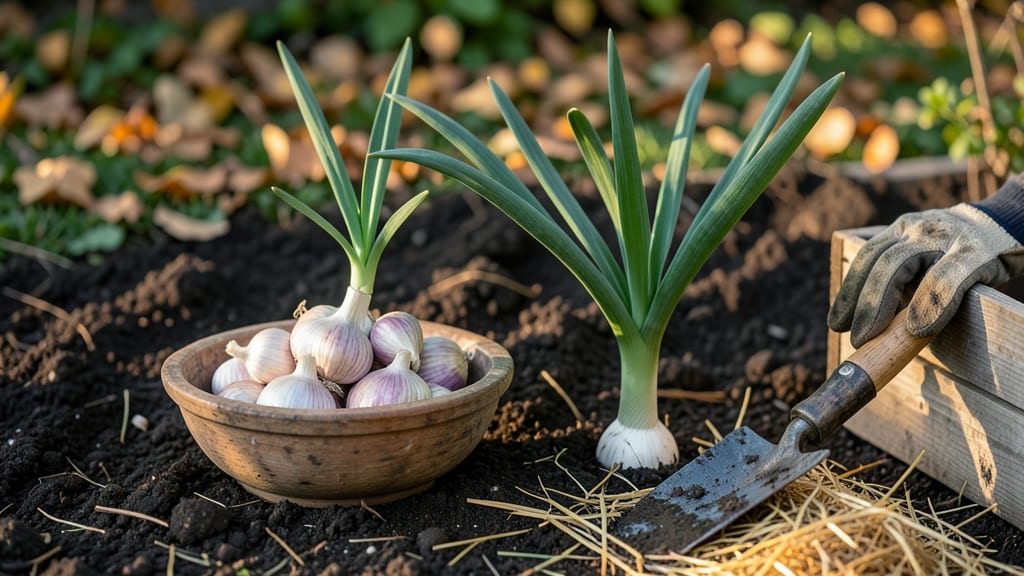
Timing your garlic planting in North Carolina can make or break your harvest—especially when hardneck and softneck varieties demand precise schedules. Planting too early or late risks frost damage or stunted growth, leaving you with less than stellar results.
The key is understanding your USDA zone (7a-8b) and when the ground freezes, because those 4-6 weeks before frost are critical for root establishment.
For most North Carolina gardeners, the ideal window falls between October and November, but hardneck and softneck garlic have slightly different needs. Hardneck varieties, like Rocambole or German White, need that early fall planting to develop strong roots before winter dormancy.
Softneck types, such as Silverskin or Artichoke, are a bit more flexible but still thrive when planted before the ground freezes solid.
Miss the mark, and you might end up with small bulbs or no harvest at all. That’s why I’ll walk you through the exact steps—from soil prep to spacing—to ensure your 🧄 garlic thrives in NC’s climate.
Whether you’re a first-time planter or a seasoned gardener, these tips will help you avoid common pitfalls and maximize your yield.
Ready to turn your garden into a garlic powerhouse? Let’s dive into the best planting strategies for your region, so you can enjoy a bumper crop by late June or July. The secret starts now—with the right timing and a little preparation.
North Carolina garlic planting calendar: hardneck vs softneck timing explained
North Carolina’s USDA zones 7a-8b create a perfect climate for growing both hardneck and softneck garlic, but timing is everything. The first frost (typically mid-October) signals the start of your planting window, while the last frost (mid-April) marks when bulbs mature.
These two varieties have very different needs, so let’s break down the ideal planting months for each.
Hardneck garlic, prized for its flavorful scapes and cold-hardy nature, thrives when planted in October or early November. This timing ensures bulbs establish roots before winter dormancy.
Softneck varieties, which store longer and lack scapes, can tolerate a slightly later window—October through December—but avoid planting after January 1st, as bulbs won’t mature fully before summer heat.
Here’s the critical rule: Plant garlic 4-6 weeks before your region’s first hard frost. In NC’s Piedmont, this often means late October, while Coastal areas can extend planting until early November. Mountain regions (like Asheville) may need to plant as early as mid-October to avoid early freezes.
Miss the fall planting window? You can still try spring planting (February-March), but yields will be smaller and bulbs may not mature fully before summer heat. Spring-planted garlic is best for green garlic (harvest young shoots) rather than full bulbs.
Pro tip: Use a soil thermometer to confirm soil temps are below 70°F before planting. Garlic cloves won’t sprout until temperatures drop, so don’t rush into early planting. Aim for 50-60°F soil temps for optimal root establishment.
After planting, mulch heavily (4-6 inches of straw or leaves) to insulate bulbs during winter. This protects against freeze-thaw cycles and helps prevent heaving (bulbs pushing out of the soil). Remove mulch in early spring to allow soil to warm and encourage growth.
Remember: Harvest timing depends on planting date. Garlic planted in October will be ready by late June, while December plantings may not mature until early August. Watch for lower leaves turning brown—this signals bulbs are nearly ready for harvest.
For NC gardeners, the sweet spot is planting hardneck garlic in late October and softneck in early November. This balance gives bulbs enough time to establish roots before winter while ensuring a full summer harvest before temperatures climb too high.
🧄
How to time your garlic planting for maximum yield in NC’s climate zones
North Carolina’s diverse climate—from the Coastal Plain to the Mountain regions—means planting garlic isn’t a one-size-fits-all task. Each area has unique frost dates and soil conditions that can make or break your harvest.
For example, the Piedmont typically sees its first frost in early November, while the Mountains might freeze by late October. Adjusting your timeline by just a few weeks can mean the difference between plump bulbs and stunted growth.
Beyond frost dates, soil temperature plays a critical role. Garlic cloves need the ground to be below 60°F (15°C) but not yet frozen to establish roots. In warmer Coastal NC, you might push planting into early December, while Mountain gardeners should aim for late October to avoid early freezes.
Always check soil temps with a thermometer—50–60°F is ideal for planting.
Don’t overlook the moon phases, either. Planting during the waning moon (after a full moon) is said to encourage stronger root development. For NC gardeners, this often aligns with late October to early November, perfect for hardneck varieties.
Softneck garlic, which matures slower, can handle a slightly later window—think early December in milder zones.