Plants
Optimal light requirements for Hoya plants: bright indirect sunlight explained
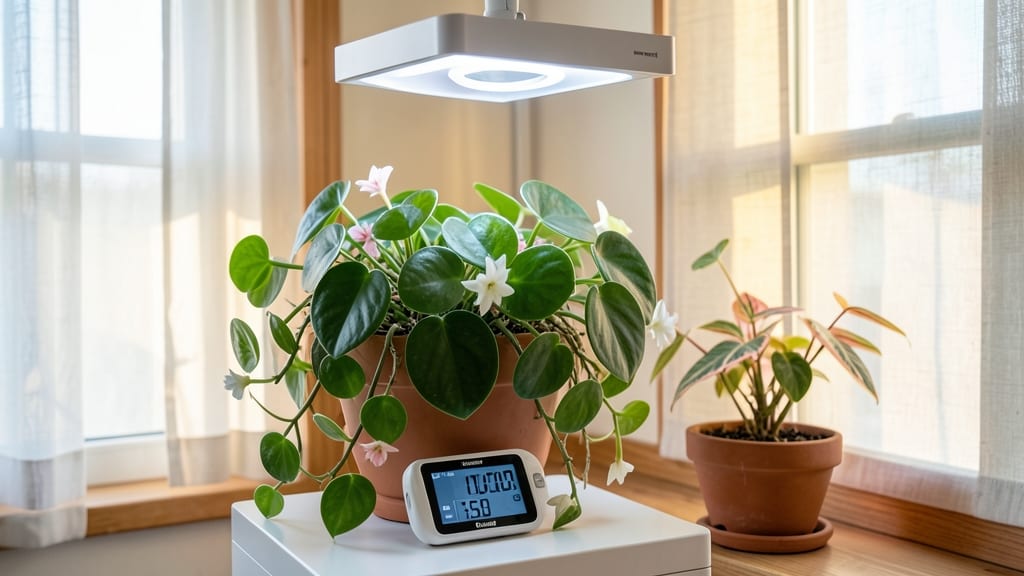
Hoya plants thrive best in bright indirect sunlight, making them perfect for indoor gardeners with east or west-facing windows. Unlike sun-loving succulents, hoyas hate harsh direct rays, which can scorch their delicate leaves. Understanding their light needs is key to preventing common issues like leggy growth or faded variegation.
Most Hoya varieties, including popular types like Hoya carnosa and Hoya obovata, prefer 4-6 hours of filtered light daily. This balance encourages healthy foliage and even flower production. Without enough light, your plant may stretch toward the nearest window—a clear sign it’s light-deprived.
Outdoor hoyas need partial shade, especially during peak afternoon sun (12 PM–4 PM). A spot under a dappled canopy or near a building’s shadow works well. If growing outdoors in hot climates, afternoon shade is a must to prevent leaf burn.
Artificial light can supplement natural sources, but LED grow lights (12–14 hours/day) work best for indoor setups. Place lights 6–12 inches above the plant to mimic natural brightness without overheating.
Seasonal changes affect light exposure, especially in winter months when days shorten. Move indoor hoyas closer to windows or supplement with grow lights to maintain their 4-6 hour light requirement. In summer, watch for intense afternoon sun—use sheer curtains to diffuse harsh rays.
Signs your hoya is getting too much light include crispy, brown edges or sunburnt patches. Underlighted plants, meanwhile, develop long, sparse stems and pale leaves. Adjust placement gradually to avoid shocking the plant—sudden light changes can cause stress.
For outdoor hoyas, morning sun is ideal, while afternoon shade protects leaves. If growing in containers, rotate pots monthly to ensure all sides receive even light. This prevents lopsided growth and keeps your plant compact and bushy.
Remember, hoyas are tropical epiphytes, meaning they naturally grow in dappled forest light. Replicating this environment—whether indoors or out—will yield the healthiest, most vibrant plants. With the right light balance, your hoya will reward you with glossy leaves and stunning flowers!
🌿
Optimal light requirements for Hoya plants: bright indirect sunlight explained
Hoya plants thrive best in bright indirect sunlight, mimicking their natural habitat in tropical forests where dappled light filters through canopies.
This means placing them near a window—but not directly in harsh midday rays. Hoya carnosa and Hoya obovata are classic examples that flourish under these conditions, producing vibrant foliage and occasional blooms.
Direct sunlight can scorch leaves, causing crispy brown edges, while too little light leads to leggy growth and pale, weak stems. The key is finding that sweet spot where your hoya gets 4-6 hours of filtered light daily.
For indoor plants, an east or west-facing window is ideal, as south-facing windows often deliver intense, direct light.
| Hoya Variety | Ideal Light Conditions | Signs of Stress |
|---|---|---|
| Hoya carnosa | Bright indirect, 4-6 hours | Brown leaf tips (too much sun), leggy stems (too little) |
| Hoya obovata | Bright indirect to partial shade | Faded variegation, slow growth |
| Hoya kerrii (Sweetheart Hoya) | Medium to bright indirect | Yellowing leaves, stretched growth |
Outdoor Hoyas adapt well to partial shade under trees or on shaded patios, especially during peak summer months when sunlight is most intense.
If growing outdoors, monitor your plant’s response to sunlight—if leaves start yellowing or curling, it’s time to adjust its position. Morning sun with afternoon shade is often the perfect balance for outdoor Hoyas.
Seasonal changes also impact light needs. In winter, when natural light is weaker, Hoyas may need to be moved closer to a window or supplemented with a grow light for 12-14 hours a day.
Conversely, in summer, use sheer curtains to diffuse harsh rays and prevent leaf burn. Rotate your plant occasionally to ensure even growth and prevent it from leaning toward the light source.
Artificial lighting can be a game-changer for indoor gardeners. LED grow lights with a color temperature of 5000K-6500K provide the full-spectrum light Hoyas need, especially for variegated varieties. Place the light 6-12 inches above the plant and keep it on for 10-12 hours daily.
For budget-friendly options, fluorescent bulbs work well too—just ensure they’re within 12 inches of the foliage.
Always observe your hoya’s response to its environment. Healthy leaves should be glossy, deep green (or appropriately variegated), and new growth should appear sturdy. If you notice stretched stems or pale leaves, it’s a clear sign your plant needs more light.
Conversely, crispy edges or bleached spots mean it’s getting too much direct sun. Adjust gradually to avoid shocking the plant.