
Plants
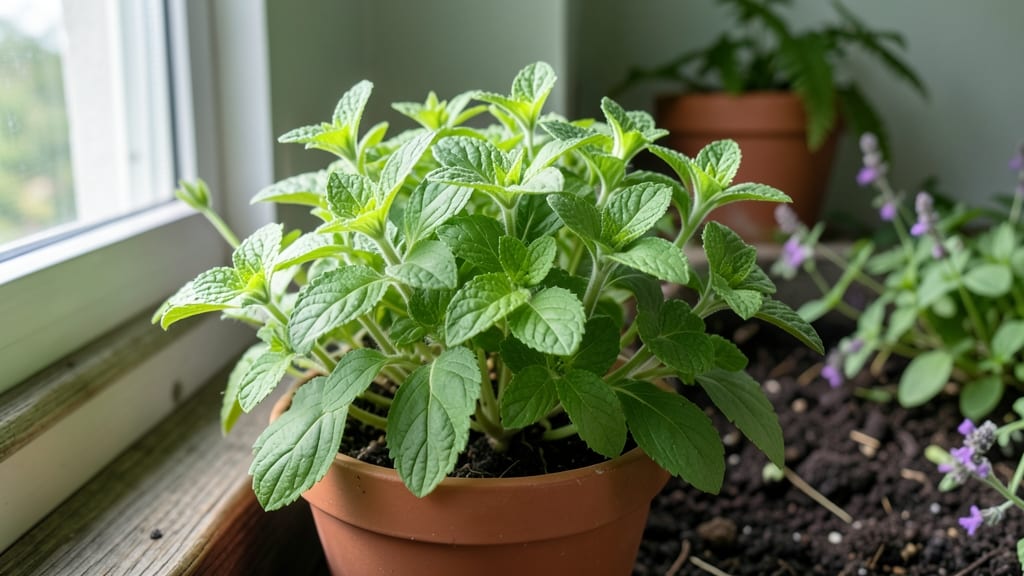
Ideal light requirements for mint plants: bright indirect sunlight explained
Mint thrives in bright indirect sunlight, making it perfect for gardeners who want a fragrant herb without harsh midday sun. Unlike sun-loving herbs like rosemary, mint prefers 4-6 hours of filtered light daily—think dappled shade from trees or an east-facing window.
Too much direct sun can scorch leaves, while too little light leads to leggy, weak stems and pale foliage.
Outdoors, place mint in spots with morning sun and afternoon shade, like under a patio umbrella or near the north side of your home. Indoors, east or north-facing windows are ideal, while south or west windows may require sheer curtains to diffuse intensity.
This balance ensures your mint stays lush and flavorful year-round.
Here’s how mint’s light needs break down in a summary table for quick reference:
| Category | Requirement | Notes |
|---|---|---|
| Sunlight Type | Bright Indirect | Morning sun + afternoon shade |
| Daily Hours | 4-6 hours | Too much sun = burned leaves |
| Indoor Placement | East/North Window | Avoid south/west windows without curtains |
| Outdoor Spot | Partial Shade | Under trees or near buildings |
| Signs of Too Little Light | Leggy Stems | Pale, sparse leaves |
| Signs of Too Much Light | Brown Leaf Edges | Wilting or crispy texture |
If your mint starts stretching toward the light, it’s begging for more bright indirect exposure. Rotate the pot weekly so all sides get even light, or move it closer to the window.
For indoor growers, a south-facing window with sheer curtains can work—just monitor for leaf burn. In hot climates, afternoon shade is non-negotiable to prevent stress.
Mint’s light needs change with seasons. In winter, supplement with a grow light 12 inches above for 6-8 hours daily to maintain vigor. Skip this in summer when natural light is abundant. The key is consistency: mint adapts poorly to sudden light shifts, so gradual adjustments work best.
Pro tip: Test your mint’s light spot by placing a white piece of paper nearby for a few hours. If the paper gets hot to the touch, the light is too intense. Mint’s ideal spot should feel warm but not scorching—like a cozy greenhouse.
When light conditions are perfect, your mint will reward you with deep green, glossy leaves and a bold, refreshing aroma. Poor lighting, however, leads to weak growth and bland flavor—so pay attention to those subtle clues. Your mint’s health (and your tea’s potency) depend on it!
For container gardeners, choose pots with light-colored surfaces to reflect excess heat, and avoid black containers that absorb sunlight like a solar panel. Grouping mint with other shade-tolerant herbs like cilantro or parsley creates a microclimate that mimics its natural partial-shade habitat.
Remember: mint is a low-maintenance herb, but it won’t thrive in neglect. Balance its light needs with consistent moisture and occasional pruning, and you’ll enjoy a bountiful harvest all season long. Happy growing!
Ideal light requirements for mint plants: bright indirect sunlight explained
Mint plants thrive in bright indirect sunlight, making them perfect for gardeners with limited full-sun spots. Unlike sun-loving herbs like rosemary, mint prefers 4-6 hours of filtered light daily—too much direct sun can scorch its delicate leaves, while too little causes leggy, weak growth.
Understanding this balance is key to growing vibrant, flavorful mint all season.
Outdoor mint grows best in partial shade, especially in hotter climates where afternoon sun can be intense. Think of it as the "Goldilocks" of herbs—not too hot, not too cold, but just right.
In cooler zones, mint can handle morning sun with afternoon shade, while container-grown mint on patios benefits from dappled sunlight through trees.
| Light Condition | Daily Exposure | Plant Response |
|---|---|---|
| Full Sun (6+ hours) | 6-8 hours | Leaf burn, weakened flavor |
| Partial Shade (4-6 hours) | 4-6 hours indirect | Optimal growth, strong aroma |
| Low Light (<4 hours) | 2-4 hours | Leggy stems, pale leaves |
Indoor mint often struggles with low-light conditions, especially near south-facing windows where heat builds up. If your mint sits on a windowsill, rotate the pot weekly to ensure even light exposure.
South windows can work but may require sheer curtains to diffuse harsh rays, while east or north windows provide ideal gentle light without risking overheating.
Watch for visual cues that reveal whether your mint is getting the right light: dark green, glossy leaves indicate perfect conditions, while yellowing or brown edges signal too much sun. Conversely, if leaves stretch toward the light source or appear sparse, your mint needs more brightness.
A simple fix is moving it closer to a window or supplementing with a grow light for 6-8 hours daily.
Seasonal adjustments are crucial—mint planted in spring or early summer may need afternoon shade as temperatures rise, while winter-grown mint benefits from extended daylight via grow lights. In containers, ensure drainage holes prevent root rot from overwatering, which becomes riskier when light levels drop in fall and winter.
For gardeners in hot climates, consider growing mint under 30% shade cloth during peak afternoon hours (12 PM–4 PM) to mimic its natural partial-shade preferences. This simple hack prevents leaf scorch while maintaining robust growth.
Remember, mint’s flavor intensifies with proper light—so think of sunlight as your secret ingredient for that perfect cup of mint tea!