
Plants
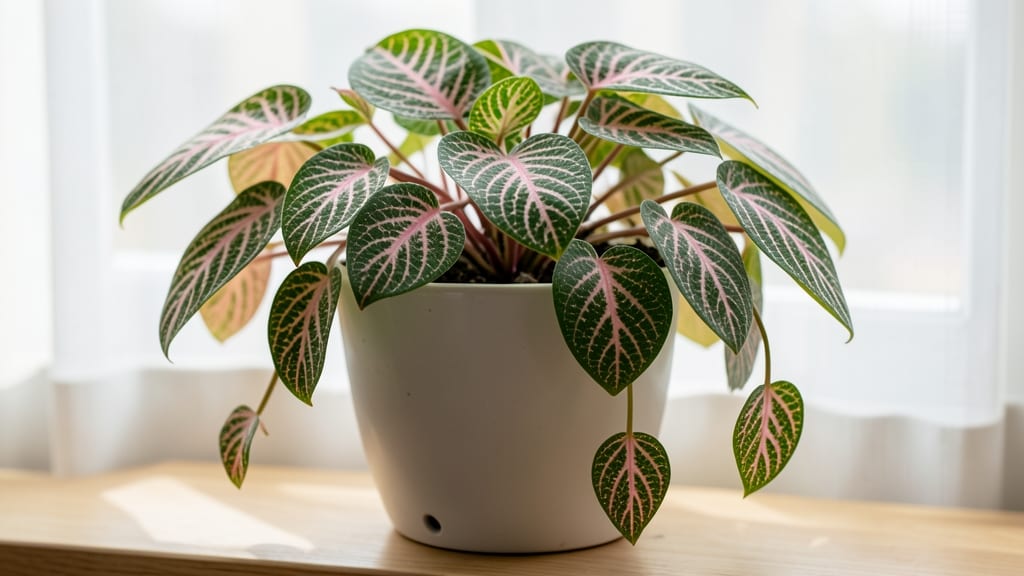
Ideal light requirements for nerve plant variegation and growth
The nerve plant (Fittonia albivenis) thrives under bright indirect light, where its iconic veined white or pink patterns stay vivid and crisp. Without enough light, those stunning variegations fade to dull green, while too much direct sun causes leaf bleaching or crispy edges.
Think of it like Goldilocks—you need the perfect balance to keep it happy and showy.
In nature, nerve plants grow under dappled forest light, filtering through tree canopies. Recreating this indoors means placing your plant near a window but not in direct sunlight. A spot 3-5 feet away from an east-facing window is ideal, as morning light is gentler than harsh afternoon rays.
If you only have south-facing windows, use a sheer curtain to diffuse the intensity.
Light intensity is measured on a scale of 1-10, with nerve plants needing a 6-7/10. This translates to 4-6 hours of bright, indirect light daily. If your home lacks natural light, supplement with a grow light (LED or fluorescent) placed 6-12 inches above the plant for 12-14 hours a day. Avoid incandescent bulbs, as they emit too much heat and not enough beneficial light spectrums.
Here’s how to test if your nerve plant is getting the right light: Hold it up to a white sheet of paper. If you can’t see your shadow clearly, the light is too dim.
If the paper shows sharp, dark shadows, the light is too harsh. The goal is soft, even lighting that highlights those delicate veins without stressing the foliage.
| Requirement | Specification |
|---|---|
| Light Type | Bright indirect (e.g., east/west windows) |
| Light Intensity | 6-7/10 on light scale (soft, diffused) |
| Daily Duration | 4-6 hours of indirect light |
| Window Placement | 3-5 feet away from east/west windows |
| Grow Light Alternative | LED/fluorescent, 6-12" above, 12-14 hrs/day |
| Avoid | Direct sun, north-facing windows, incandescent bulbs |
Rotating your nerve plant every 2-3 weeks ensures even growth and prevents it from leaning toward the light source. If you notice stems stretching or leaves growing smaller, it’s a clear sign of underlighting.
Conversely, yellowing edges or white patches on the leaves mean it’s getting too much direct sun. Adjust its position immediately to prevent permanent damage.
In low-light conditions, like a north-facing room, consider moving your nerve plant to a bright bathroom or near a skylight. If that’s not possible, a compact fluorescent grow bulb (like a Sylvania Grow Light) can be a lifesaver.
Position it 8-12 inches away for 14 hours a day to mimic natural daylight cycles.
Seasonal changes also affect light needs. During winter months, when daylight is shorter, supplement with artificial light to maintain 4-6 hours of brightness. In summer, watch for longer daylight hours and adjust by moving the plant further from the window to avoid overheating.
A simple trick is to use a thermometer near the plant—if it exceeds 75°F, it’s too hot.
Pro tip: Group your nerve plant with other low-to-medium light plants like pothos or peace lilies. This creates a microclimate where humidity stays higher, and light is naturally diffused. Just avoid placing it near drafty windows or heating vents, as temperature fluctuations stress the plant.
Remember, the goal is to preserve those stunning veins. When your nerve plant’s foliage stays bright, compact, and vibrant, you’ve nailed the light balance. With these tips, your plant will reward you with lush, patterned leaves that become the star of your indoor garden. 🌿
Ideal light requirements for nerve plant variegation and growth
Your nerve plant thrives in bright indirect light, where it receives filtered sunlight without harsh rays. This mimics its natural understory habitat in tropical forests. The key is avoiding direct midday sun, which can scorch those delicate variegated leaves and fade their stunning patterns.
Think of the perfect spot as getting morning sunlight (before 10 AM) and afternoon shade. A north-facing window or east-facing window 2-3 feet away is ideal. South-facing windows work too, but use a sheer curtain to diffuse the light.
| Light Requirement | Specification | Optimal Conditions |
|---|---|---|
| Brightness Level | Bright indirect light | East/west-facing windows or 2-3 ft from south window |
| Daily Duration | 4-6 hours | Morning sun + afternoon shade |
| Light Spectrum | Blue-green wavelengths | Enhances variegation contrast |
| Distance from Window | 1-3 feet | Prevents leaf burn |
For variegated patterns to stay vibrant, your nerve plant needs consistent light exposure. If placed in low light, those white or silver veins will fade to green, losing the plant's signature look. However, too much direct sun causes leaf bleaching or crispy edges—like sunburn on your skin.
Rotate your plant quarter-turn weekly to ensure even growth. This prevents the plant from leaning toward the light source, which creates lanky, weak stems. A simple 90-degree turn every 7 days keeps it compact and bushy.
If natural light is limited, supplement with a grow light 6-12 inches away for 8-10 hours daily. LED grow lights with a 6500K color temperature mimic natural sunlight best. Avoid incandescent bulbs—they emit too much heat and can damage leaves.
Pro tip: Test your spot by placing your hand near the plant. If you can comfortably hold it there for 10 minutes without feeling the heat, it's safe for your nerve plant. Too hot? Move it back or add a sheer curtain.