
Plants
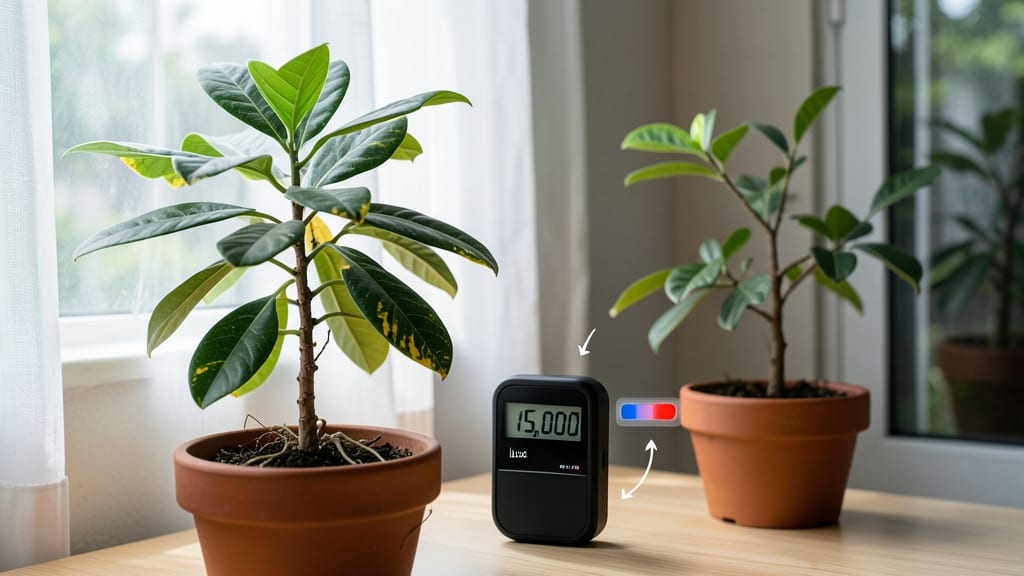
Ideal light requirements for avocado plants: bright indirect sunlight explained
Avocado plants thrive under bright indirect sunlight, mimicking their native tropical environments. While they need ample light for photosynthesis, direct afternoon sun can scorch delicate leaves, especially in hot climates.
The sweet spot? 4-6 hours of morning sun followed by filtered light or partial shade for the rest of the day.
In their natural habitat, avocado trees grow under dappled canopy light, where sunlight filters through taller trees. Recreating this indoors means positioning your plant near an east-facing window (gentler morning light) or using sheer curtains to diffuse harsh afternoon rays.
South-facing windows work too, but only if you provide afternoon shade during peak summer heat.
For outdoor avocado plants, full sun exposure (6+ hours daily) is ideal in cooler climates (USDA Zones 9-11). However, in hotter regions like Zone 10 or above, afternoon shade becomes crucial to prevent leaf burn. Young plants are especially sensitive—start them in partial shade before gradually introducing more sunlight.
| Light Condition | Daily Hours | Best For | Signs of Success |
|---|---|---|---|
| Bright Indirect Light | 4-6 hours | Indoor plants, hot climates | Dark green leaves, steady growth |
| Morning Sun + Afternoon Shade | 6+ hours (filtered) | Outdoor plants in warm zones | Thick leaves, no brown edges |
| Full Sun (Cooler Climates) | 8+ hours | Outdoor plants in Zones 9-11 | Rapid growth, glossy foliage |
Avocado trees rely on photosynthesis efficiency that thrives in moderate light intensity. Too little light (under 4 hours daily) leads to etiolation, where stems stretch and leaves pale, while excessive direct sun (especially after 10 AM) causes leaf scorch.
The goal is to keep leaves consistently green and glossy, not yellow or crispy.
If you're growing avocados in containers indoors, rotate the pot quarter-turns weekly to ensure even light exposure. This prevents one side from becoming leggy while the other stays stunted.
Outdoors, mulch around the base with organic matter to retain moisture and protect roots from temperature swings caused by fluctuating light conditions.
For young avocado seedlings, start with partial shade (30-50% light) for the first 2-3 months, then gradually increase exposure. Mature trees can handle more direct sunlight, but even they benefit from afternoon shade cloth during summer months.
Think of it like sun protection for your plant—just like you'd wear sunscreen on a hot day!
One common mistake is assuming "more sun is always better". Avocado trees are not desert plants—they evolved under tropical canopies where light was diffused.
In my own garden, I learned this the hard way when my young avocado tree developed brown leaf tips after a week of unfiltered afternoon sun. Moving it under a sheer curtain saved it!
To test if your avocado plant is getting the right light, hold a white sheet of paper under the leaves. If the light through the leaves is bright but not harsh, you're in the ideal range.
If it's dim or shadowy, supplement with a grow light (more on this in the next section). Conversely, if the light looks too intense or creates sharp shadows, add a sheer curtain or move the plant.
Remember, avocado plants are light-hungry but sun-sensitive. The key is to mimic their natural environment—bright but never scorching. With the right balance, you'll see vibrant new leaves and a sturdy growth habit that sets the stage for future fruiting. 🌱
Signs your avocado plant isn’t getting enough (or too much) light
Your avocado plant might be silently screaming for help—through its leaves. Yellowing leaves are the most common red flag, signaling either too much sun or insufficient light. If the yellowing appears on older leaves first, it’s likely underwatering or low light.
But if new leaves turn yellow and crispy, your plant is burning under intense sunlight. Pay close attention to these visual cues—they’re your plant’s way of communicating!
Watch for brown or white patches on leaves, which often mean sunburn. These spots start as small, dry areas and can spread quickly if the problem isn’t addressed. On the flip side, pale or limp leaves indicate insufficient light.
Your avocado plant might also develop stunted growth or long, leggy stems as it stretches toward any available light source. These are clear signs it’s not getting the bright indirect sunlight it craves.
🚨 Here’s the critical difference: Too much light causes crispy, brown edges, while too little leads to soft, pale, and sparse foliage. If your plant’s leaves are curling inward, it’s likely wilting from heat stress due to excessive sun exposure.
But if they’re curling outward, it’s probably reaching for more light. Both scenarios require immediate action to restore balance.
- Sunburned leaves = Move to filtered light immediately
- Leggy growth = Rotate plant or add grow lights
- Yellowing leaves = Adjust water + light balance
If your avocado plant is dropping leaves unexpectedly, it’s often a stress response to sudden light changes or extreme conditions. For example, moving a houseplant from a north-facing window to a south-facing one without acclimating it can shock the system.
Always introduce changes gradually—1-2 hours of extra sun per day over a week’s time—to avoid trauma.
For indoor plants, west-facing windows can be too harsh in summer afternoons, while east-facing windows provide gentler morning light. If you’re unsure, test the light intensity by holding your hand near the plant: if it feels warm but not scorching, the light is likely safe.
If it’s too hot to touch, your avocado plant needs shade or relocation.
Even outdoor avocado trees need protection from midday sun in hot climates. Use lightweight shade cloth (30-50%) during peak hours (11 AM–3 PM) to prevent leaf scorch. And remember: container plants dry out faster in full sun, so monitor soil moisture closely.
The right balance of light, water, and shade is the secret to keeping your avocado plant thriving year-round!