Plants
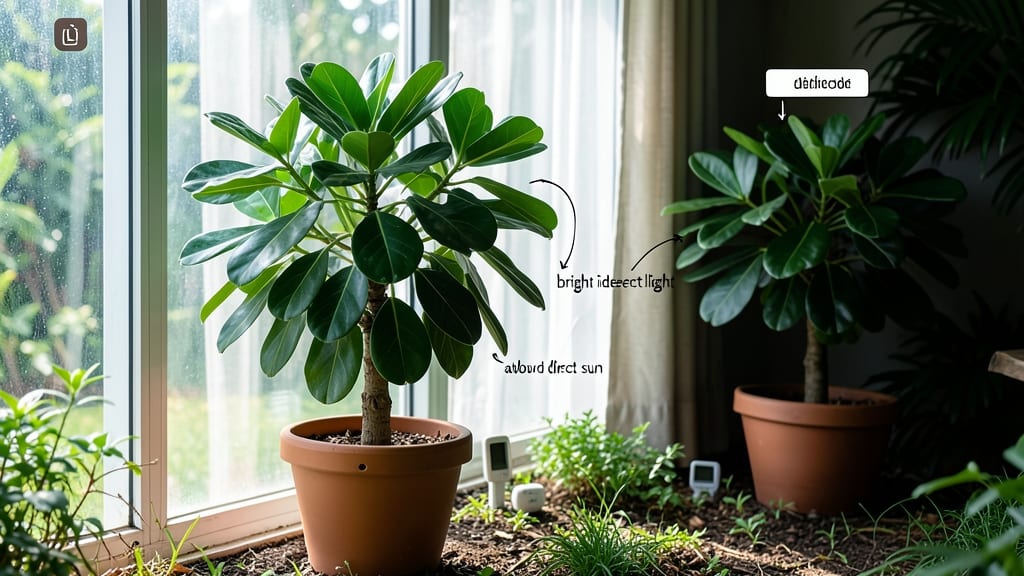
If your Umbrella Plant 🌿 is looking more like a sad, stretched-out stick than a lush, leafy beauty, you’re probably asking yourself: how much light does an umbrella plant need? The answer isn’t as simple as "more is better"—in fact, too much sun can fry those delicate leaves faster than you can say "leaf scorch."
Here’s the truth: these tropical darlings thrive in bright, indirect light, but they’ll also tolerate lower light better than you’d think—if you know the tricks.
Whether you’re dealing with a dim corner of your living room or a sunny windowsill, I’ll show you exactly where to place your plant for that perfect balance of growth and glow.
We’ll cover the sneaky signs your plant is begging for more (or less!) light—think yellowing leaves, crispy edges, or stems that stretch like they’re reaching for the ceiling.
Plus, I’ll share my go-to fixes for adjusting light levels without buying fancy grow lights. Ready to turn your Umbrella Plant from "meh" to "magnificent"? Let’s dive in.
The key is understanding how to mimic its natural habitat—because once you crack the light code, your plant will reward you with glossy leaves that’ll make every room feel a little more jungle-esque. No guesswork, just results. Let’s get started!


Optimal light requirements for umbrella plants: bright indirect sunlight explained
Your umbrella plant (Schefflera actinophylla) thrives in bright indirect sunlight, making it perfect for homes with filtered light. Unlike sun-loving plants, it can’t handle harsh midday rays, which cause leaf scorch. The ideal spot offers 4-6 hours of filtered light daily, balancing growth without stress.
Think of it like a morning coffee break—gentle light to start the day, then shade as the sun peaks. East-facing windows provide perfect morning sun, while north-facing windows offer consistent, gentle light.
If your home lacks natural light, grow lights can bridge the gap with 12-14 hours of artificial light weekly.
Here’s how to visualize the perfect setup: Place your plant 2-3 feet from an east or north window, where sunlight streams softly through sheer curtains. Avoid south or west windows unless you use a sheer curtain or light filter to diffuse harsh rays.
🌿 Umbrella Plant Light Requirements Summary
| Light Type | Hours Needed | Best Location | Signs of Stress |
|---|---|---|---|
| Bright Indirect | 4-6 hours | East/North window | Lush green leaves |
| Low Light | <2 hours | North corner | Leggy stems, pale leaves |
| Direct Sun | >6 hours | South/West window | Brown patches, crispy edges |
💡 Pro Tip: Rotate your plant quarter-turn weekly to ensure even growth.
If your umbrella plant starts looking leggy or stretched, it’s begging for more light. Move it closer to a window or supplement with a LED grow light placed 12-18 inches above the foliage.
For brown, crispy leaves, it’s getting too much sun—immediately shift it to a shadier spot or add a sheer curtain.
Outdoor growers can place umbrella plants in partial shade gardens, where they’ll flourish under dappled sunlight. Just avoid full sun, which turns leaves into crispy toast.
In containers, ensure the pot has drainage holes to prevent root rot from overwatering, especially in low-light conditions where soil stays damp longer.
For urban apartments with limited natural light, combine your umbrella plant with a reflective surface like a mirror or white wall. This bounces light onto the leaves, mimicking the filtered sunlight of a forest understory—its natural habitat. Pair this with a humidifier to recreate the tropical conditions it loves.
Remember, umbrella plants are forgiving but not flexible. They’ll tolerate low light for months but won’t thrive—expect slow growth and sparse foliage. On the flip side, too much sun causes irreversible damage like leaf burn.
Strike that sweet spot of bright indirect light, and your plant will reward you with glossy, vibrant leaves for years.
To test your plant’s light conditions, use the "shadow test": Hold your hand near the plant. If you see a clear shadow, it’s getting too much direct light.
If the light is diffused or faint, you’ve hit the ideal zone. Adjust as needed, and watch your umbrella plant thrive like never before.
🌱
Signs your umbrella plant has too much or too little light (with fixes)
Your umbrella plant sends clear signals when its light conditions aren't ideal. Watch for yellowing leaves or stretched stems—these are classic red flags. Too little light causes pale foliage and leggy growth, while direct sun exposure leads to crispy edges and brown patches.
I’ve seen both scenarios in my collection, and the fixes are simpler than you’d think!
For underlit plants, move them closer to a bright window or use a grow light for 6-8 hours daily. Rotate the pot weekly to ensure even growth. If your plant is sunburned, relocate it to a shadier spot immediately and mist the leaves to revive them.
Pruning damaged leaves helps too—it encourages new, healthier growth.
Here’s what to watch for:
Too Little Light ⚠️
- Pale leaves (lacks chlorophyll)
- Long, sparse stems (reaching for light)
- Slow growth (stunted development)
Too Much Light ⚠️
- Brown leaf tips (sunburn)
- Crispy edges (dryness)
- Bleached spots (over-exposure)
Pruning is your best friend when fixing light issues. For leggy growth, trim stems back by 1/3 to encourage bushier foliage. Use clean, sharp scissors and sterilize them with rubbing alcohol to prevent disease.
After pruning, your plant will redirect energy to new leaf production, giving it a fuller, healthier look.
If you’re unsure whether your plant needs more or less light, observe its leaf color and growth pattern for a week. A dark green umbrella plant with compact stems is thriving—this is your goal!
Adjust gradually to avoid shocking the plant, and always monitor its response. Patience pays off with vibrant, lush growth.
Pro tip: Group plants together near windows to create a microclimate with better humidity and light distribution. This mimics their natural tropical habitat and helps them thrive indoors. With the right adjustments, your umbrella plant will bounce back in no time!