
Plants
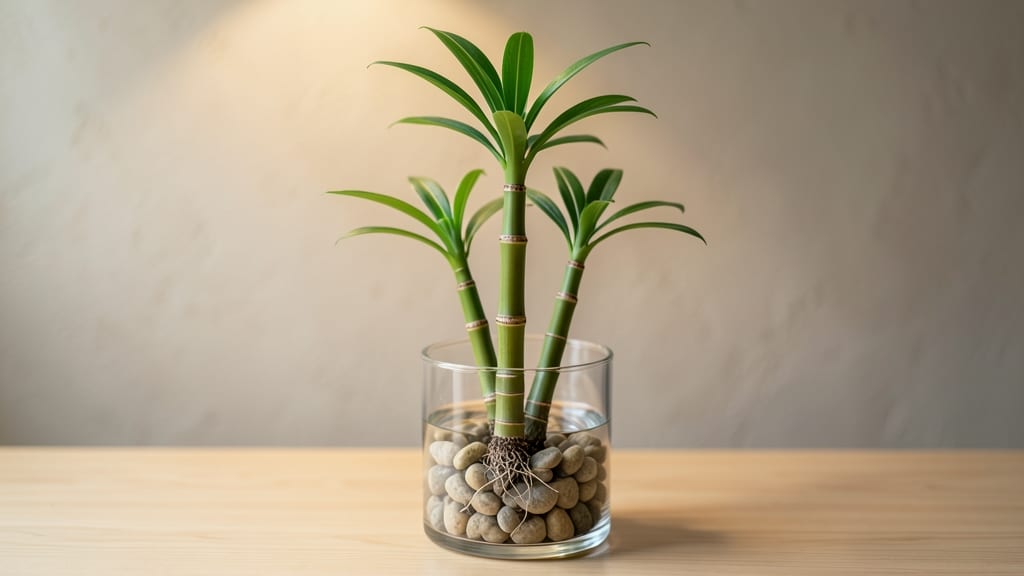
If you’ve ever wondered how tall can a lucky bamboo plant grow, you’re not alone—this striking 🌿 plant can surprise even the most experienced plant parents with its vertical potential. Lucky bamboo thrives indoors year-round, but its height isn’t just luck; it’s science (and a little care).
Whether you’re dreaming of a towering centerpiece or prefer a compact desk buddy, understanding what influences its growth is your secret weapon.
The truth? Lucky bamboo can stretch from a modest 1 foot to a dramatic 12 feet indoors, depending on its environment. Too much light or space? Watch it shoot up like a skyscraper. Too little?
It’ll stay short and stocky. The good news? You’re in control. With the right pot, water balance, and a few simple tricks, you can steer its height to match your space—no guesswork required.
Let’s debunk the myths first: No, running water doesn’t automatically make it taller (though it does keep it happy). And yes, your 6a zone doesn’t limit its potential—this plant adapts. What really matters is how you manage its roots, light exposure, and even the size of its home.
Ready to learn the exact steps to shape your lucky bamboo’s future? I’ll walk you through everything you need to know.
From pruning techniques that keep it manageable to the subtle signs it’s ready for a bigger pot, we’ll cover it all. Whether you’re a beginner or a plant pro, these insights will help you grow the perfect lucky bamboo—tall, short, or somewhere in between. Let’s get started!

Natural height range of lucky bamboo: how tall it can grow indoors
Lucky bamboo (Dracaena sanderiana) is famous for its adaptability, but its height potential often surprises new owners. Under ideal conditions, this plant can grow between 1 to 12 feet tall, though most indoor varieties max out at 4 to 6 feet with proper care.
The key factors influencing its height are light exposure, water levels, and container size—all of which we’ll explore in detail.
If you’ve noticed your lucky bamboo stretching toward a window or growing unevenly, it’s likely searching for more light. Without sufficient bright indirect light, the stems elongate dramatically (a condition called etiolation).
This isn’t just about aesthetics—overly tall, leggy growth can weaken the plant’s structure, making it prone to falling over. The good news? With the right adjustments, you can control its height while keeping it lush and sturdy.
Here’s the hard truth: Lucky bamboo doesn’t have a fixed height limit—it grows as long as its roots and environment allow. In small containers, it may stay under 2 feet tall, while in large vases or outdoor settings, it can easily surpass 6 feet.
The variety also plays a role: Braided lucky bamboo tends to grow slower (1–3 feet) due to its intricate weaving, while standard straight-stem varieties reach their full height faster.
🌱
| Factor | Height Impact | Ideal Range |
|---|---|---|
| Container Size | Smaller pots = shorter height; larger pots = taller growth | 3–6 inches (diameter) for compact growth |
| Light Exposure | Low light = leggy growth (up to 12 ft); bright indirect = compact (1–4 ft) | 2–4 hours of indirect light daily |
| Water Level | Submerged roots = faster growth; dry roots = stunted growth | 1–2 inches of water (change weekly) |
| Variety Type | Braided = slower (1–3 ft); straight-stem = faster (4–6 ft) | Choose based on desired height |
| Fertilizer Use | Balanced fertilizer = steady growth; none = slower growth | Every 2–3 months (diluted) |
One of the most common misconceptions about lucky bamboo is that it grows faster in running water. While it thrives in water, the myth that a constant water flow makes it taller is exaggerated.
In reality, lucky bamboo grows at a steady pace—about 1–2 inches per month—regardless of water movement. The real height boost comes from optimal light and nutrients, not water dynamics.
For example, a plant in a sunny east-facing window with balanced fertilizer will outpace one left in dim corners.
If you’re aiming for a compact lucky bamboo, focus on these three critical adjustments:
- Limit container size to 3–4 inches in diameter.
- Place it in bright indirect light (e.g., 3–6 feet from a window).
- Use a balanced fertilizer sparingly (once every 3 months). These tweaks can halve its growth rate, keeping it under 2 feet tall even after years of care.
For those who want their lucky bamboo to reach its maximum height, the opposite approach works. Use a large vase or outdoor planter, ensure it gets 4+ hours of indirect light daily, and fertilize every 2 months.
In these conditions, expect 6-foot-tall stalks within 2–3 years. Just be prepared for the structural challenges—taller plants need stakes or support to avoid toppling over.
Another factor often overlooked is temperature and humidity. Lucky bamboo grows 20–50% faster in humid environments (50%+ humidity) compared to dry air. If your home has low humidity (common in winter), mist the leaves weekly or place a humidifier nearby.
This simple step can add 6–12 inches to its height annually without extra effort.
🌿
Pro tip: If your lucky bamboo starts leaning or bending, it’s not just a height issue—it’s a light deficiency signal. Rotate the plant quarter-turns weekly to encourage even growth.
This prevents lopsided stalks and ensures the plant grows straight and sturdy, regardless of its final height. Think of it as a growth reset button every few weeks.
Finally, remember that lucky bamboo’s height isn’t set in stone. With the right care, you can shape its growth to fit your space—whether you want a tiny desk companion or a floor-filling statement plant.
The secret lies in balancing light, water, and container size while monitoring its response. Start with these guidelines, and you’ll master the art of height control in no time.
Natural height range of lucky bamboo: how tall it can grow indoors
Lucky bamboo (Dracaena sanderiana) is famous for its adaptability, but its height potential can vary dramatically based on care. In ideal conditions, this plant can grow up to 6 feet tall indoors, though most varieties max out between 3–4 feet.
The key factors influencing height are light exposure, water levels, and container size—all of which I’ll break down below.
Outdoor lucky bamboo can reach 10+ feet in tropical climates, but indoor growth is typically slower due to limited light and space. If you’re growing it in a small pot, expect compact growth (1–2 feet), while larger containers encourage taller, more robust stems.
The plant’s natural growth rate is 1–2 inches per month, but this slows in low-light conditions.
| Growth Factor | Indoor Height Range | Key Influence |
|---|---|---|
| Light Exposure | 1–4 ft | Low light = slower growth; bright indirect light = taller stems |
| Container Size | 0.5–6 ft | Small pots = compact growth; large containers = taller, bushier plants |
| Water Level | 2–5 ft | Submerged roots = faster growth; dry soil = stunted growth |
| Variety Type | 1–6 ft | Dwarf varieties stay under 2 ft; standard types reach 4–6 ft |
One common misconception is that lucky bamboo grows faster in running water. While this method keeps the plant hydrated, it doesn’t significantly increase height—it simply maintains health. For taller growth, focus on bright, indirect light (like an east-facing window) and larger containers with drainage.
If you’re aiming for a taller lucky bamboo, avoid pruning the top stems and ensure the roots have room to expand. For shorter growth, trim the stems regularly or use smaller pots.
The plant’s flexibility makes it perfect for customizing to your space—whether you want a desk-sized accent or a floor-filling statement piece.
Pro tip: Rotate your plant every few weeks to encourage even growth. Uneven light exposure can cause lopsided stems, which may appear shorter on one side. Consistency in care is key to achieving the height you desire without sacrificing health.
For those with limited space, dwarf varieties like ‘Babylonia’ stay under 2 feet tall, making them ideal for shelves or small tables. Meanwhile, standard types can easily reach 6 feet indoors with the right conditions. The choice is yours—just adjust your care routine accordingly!