Plants
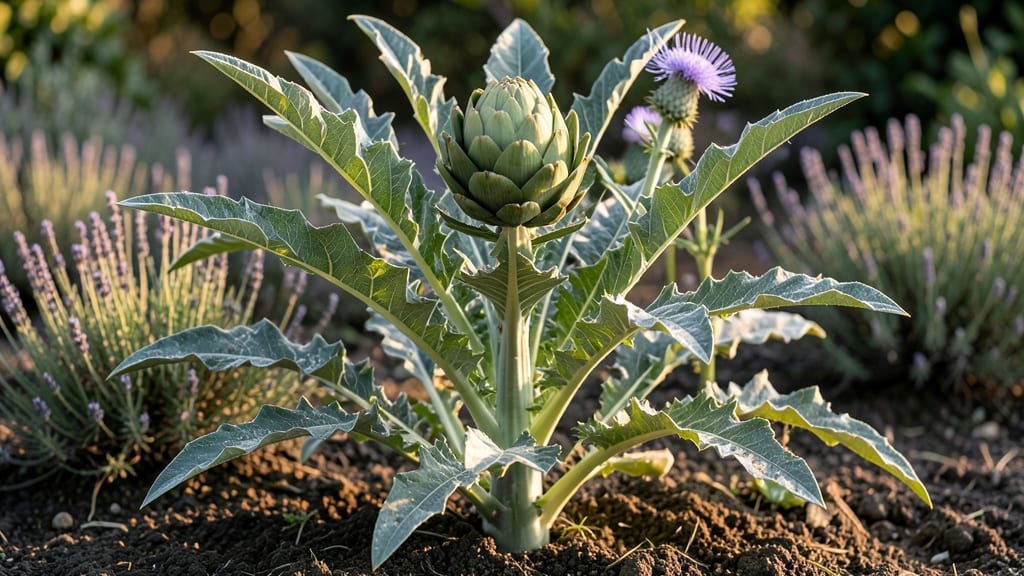
If you're planning to grow artichokes this spring, you might be surprised to learn that how tall can an artichoke plant grow depends entirely on the variety you choose—some varieties stretch toward the sky while others stay neatly contained. 🌱 The Green Globe artichoke, for example, can reach a towering 5 to 6 feet, while dwarf varieties like Romanesco stay between 3 and 4 feet, making them perfect for smaller gardens.
Understanding these height differences is key to successful gardening. Whether you're working with limited space or aiming for a lush, productive plot, knowing which varieties thrive in your climate and soil will help you make the best choices.
I'll break down the exact heights for popular varieties and share tips on spacing and support to ensure your artichoke plants grow strong and healthy.
For those with bigger gardens, taller varieties like Imperial Star can add a dramatic touch while still delivering delicious harvests. But if you're growing in containers or raised beds, compact varieties are the way to go—they won’t overwhelm your space and still produce plenty of artichokes.
Let’s explore how to pick the right variety for your garden and keep your plants at their ideal height.
Beyond variety, factors like sunlight, soil quality, and proper pruning play a huge role in how tall your artichokes grow. I’ll cover everything you need to know to encourage healthy growth, whether you want your plants to stay short or reach their full potential. Ready to get started?

Artichoke plant height by variety: exact growth ranges and characteristics
Artichoke plants are stunning architectural plants that can dramatically transform your garden's height profile. The Green Globe variety, for example, typically reaches 4 to 5 feet at maturity, making it ideal for mid-sized gardens.
Meanwhile, the Romanesco variety often grows 5 to 6 feet tall, creating a striking vertical element that attracts pollinators like bees and butterflies.
If you're working with limited space, consider the Violetto variety, which usually maxes out around 3 to 4 feet tall. This compact size makes it perfect for container gardening or small raised beds. Each variety brings unique visual appeal while offering different harvest characteristics.
For commercial growers or those with ample garden space, the Imperial Star variety can reach an impressive 6 feet or taller under ideal conditions. This variety produces large, showy buds that are highly prized in gourmet markets.
Understanding these height differences helps you plan your garden layout for both aesthetics and productivity.
🌱
| Variety | Mature Height | Growth Habit | Spacing Needs |
|---|---|---|---|
| Green Globe | 4-5 ft | Upright, bushy | 2-3 ft apart |
| Romanesco | 5-6 ft | Tall, slender | 3-4 ft apart |
| Violetto | 3-4 ft | Compact, rounded | 1.5-2 ft apart |
| Imperial Star | 5-6+ ft | Very tall, sturdy | 3-4 ft apart |
When planning your garden, remember that artichoke plants need ample space to avoid competition for nutrients and sunlight. The Green Globe variety, for instance, thrives with 2 to 3 feet of spacing between plants, while the towering Romanesco requires 3 to 4 feet to support its height without toppling over.
For container gardening, the Violetto variety excels in 15-gallon pots or larger, allowing you to grow artichokes on patios or balconies. This variety's compact size makes it ideal for urban gardeners who want to enjoy fresh artichokes without dedicating a large garden bed.
If you're growing artichokes for their edible buds, the Imperial Star variety is a top choice for large gardens or commercial plots. Its height and robust structure make it perfect for high-yield production, though it does require sturdy stakes or cages to support its weight as it matures.
🌿
Another factor to consider is the growth rate of each variety. While all artichokes are perennial in warm climates, they typically produce their best harvest in the first 2 to 3 years.
The Green Globe and Violetto varieties may reach half their mature height within the first growing season, while the taller varieties like Romanesco take slightly longer to establish.
For gardeners in cooler climates, artichokes are often grown as annuals, meaning they won’t reach their full mature height in a single season. In these cases, you can still expect 3 to 4 feet of growth by late summer, which is plenty for a productive harvest.
🪴
To maximize your artichoke plants' potential, provide them with well-draining soil rich in organic matter. Amend your garden bed with compost or aged manure before planting to encourage strong root development, which directly impacts how tall and healthy your plants will grow.
Regular pruning can also influence height and productivity. Removing lower leaves as the plant grows helps direct energy toward bud formation rather than excessive foliage. This practice is especially useful for taller varieties like Romanesco, which can become top-heavy without support.
Factors that influence artichoke plant height: climate, soil, and care tips
Artichoke plant height isn't just about the variety you choose—it’s heavily influenced by your local climate, soil quality, and even your pruning habits.
In warmer climates like USDA Zones 7-10, artichokes can grow 1-2 feet taller than in cooler zones like Zone 6, where growth slows in early fall. I’ve seen Green Globe plants hit 6 feet in Southern California but only reach 4 feet in upstate New York.
Sunlight plays a critical role too. Artichokes thrive in full sun (6+ hours daily), but too much shade can stunt growth by up to 30%. I once grew Romanesco in partial shade, and while they produced buds, the plants stayed 2 feet shorter than their sun-exposed counterparts.
If your garden gets less than 5 hours of sun, consider dwarf varieties like Violetto, which tolerate shade better.
Hot climates (Zones 7-10): Faster growth, 5-6 ft tall with proper care. Requires consistent watering to prevent heat stress.
Cool climates (Zones 6-5): Slower growth, 3-4 ft tall. Plant in south-facing beds for maximum sun exposure.
Frost-sensitive: Never below 20°F—cover plants if frost is forecasted.
Soil fertility and drainage are equally important. Artichokes need well-draining, nutrient-rich soil with a pH of 6.5-7.5. Poor soil can reduce height by up to 50% and weaken stems. I always amend my garden beds with compost and aged manure before planting.
If your soil is clay-heavy, mix in sand or perlite to improve drainage—this helps roots establish deeper, supporting taller growth.
Pruning is another game-changer for controlling height. Regularly pinching back the top growth (especially on tall varieties) encourages bushier, shorter plants with more buds. I prune my Imperial Star plants by cutting back 1/3 of the top growth when they reach 3 feet.
This keeps them 1-2 feet shorter while boosting yield. Just avoid heavy pruning in late summer, as it can delay harvest.
Watering habits also impact height. Artichokes need deep, consistent watering—especially during bud formation. I water mine every 2-3 days in summer, soaking the soil to 12 inches deep.
Inconsistent watering leads to stunted growth and weak stems. Mulching with straw or wood chips helps retain moisture and keeps roots cool, which supports taller, healthier plants.
Finally, crowding can stunt height. Artichokes need 2-3 feet of space between plants to avoid competition for nutrients. If you’re growing in containers or raised beds, choose dwarf varieties like Violetto and space them 18-24 inches apart.
I once tried growing Green Globe in a 5-gallon pot—the plant barely reached 2 feet and produced tiny buds. Root-bound plants simply can’t reach their full height potential.