
Plants
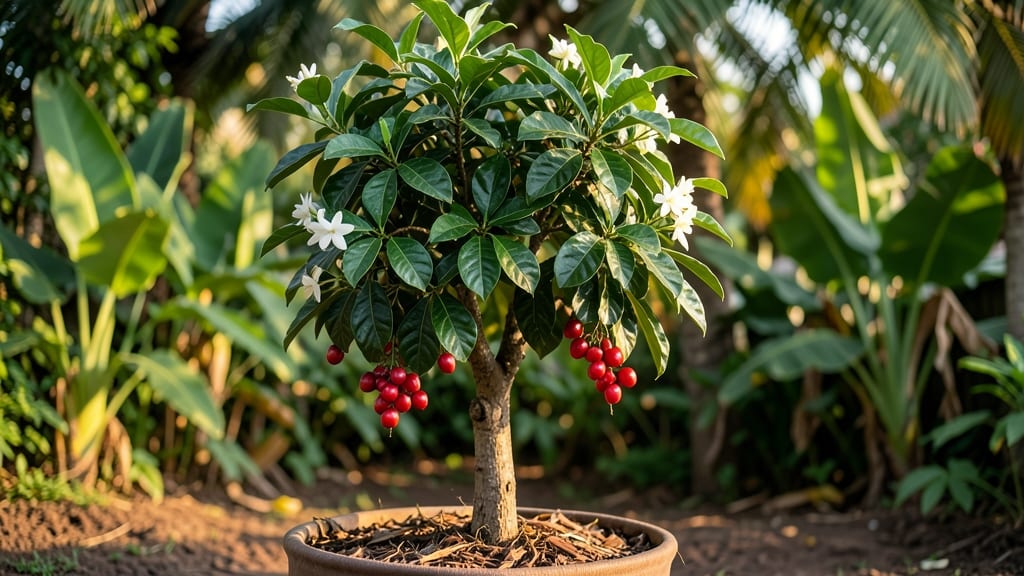
If you’re wondering how tall does a coffee plant grow, the answer might surprise you—especially when comparing your cozy indoor ☕ ☕ ☕ to a towering tropical tree.
While outdoor coffee plants in zones 10-12 can stretch up to 30 feet, your windowsill variety might never reach waist height. The difference comes down to variety, care, and environment.
Indoor coffee plants (like dwarf Arabica varieties) typically stay between 3-6 feet if pruned regularly, making them perfect for apartments. But outdoors, unpruned Robusta or standard Arabica can dominate your garden, reaching 10-30 feet in just a few years.
The key? Understanding your growing conditions and choosing the right variety for your space.
Whether you’re dreaming of a home-grown ☕ ☕ ☕ brew or just want a lush houseplant, managing height is all about pruning, sunlight, and container size.
I’ll break down the exact heights to expect—plus how to keep your coffee plant at your ideal size, whether it’s a 6-foot bush or a 30-foot giant. Let’s get started.
Ready to transform your coffee habit? You’ll learn which varieties stay small, how often to prune for compact growth, and even whether your windowsill can support a harvestable ☕ ☕ ☕ plant. The best part? With the right approach, you can grow coffee year-round—indoors or out—without sacrificing space.

Average coffee plant height by growing environment: indoor vs outdoor comparison
Coffee plants are fascinating because their height can vary dramatically depending on whether you grow them indoors or outdoors. In their natural tropical habitats, coffee plants like Arabica and Robusta varieties can reach 15-30 feet tall, towering like small trees.
But don’t worry—indoor coffee plants stay much smaller, making them perfect for home gardeners with limited space.
The key difference lies in growing conditions. Outdoor coffee plants thrive in warm, humid climates with full sun exposure and plenty of space to spread their roots.
Indoors, however, they grow slower and stay compact, especially with proper pruning and training. Let’s break down the height differences and what influences them.
| Growing Environment | Variety Type | Mature Height Range | Growth Rate (Per Year) | Key Factors Affecting Height |
|---|---|---|---|---|
| Outdoor (Tropical) | Standard Arabica | 15-30 ft | 3-6 ft | Full sun, warm climate, no pruning |
| Outdoor (Tropical) | Robusta | 20-30 ft | 4-8 ft | Fast-growing, thrives in heat |
| Indoor (Container) | Dwarf Arabica | 3-6 ft | 1-2 ft | Pruned regularly, limited root space |
| Indoor (Container) | Standard Arabica (Pruned) | 6-10 ft | 2-3 ft | Regular pruning, bright light |
| Outdoor (Subtropical) | Semi-Dwarf Varieties | 10-15 ft | 2-4 ft | Milder climate, moderate pruning |
Outdoor coffee plants in tropical climates grow the fastest and tallest, often reaching 15-30 feet without intervention. Robusta varieties are particularly vigorous, growing up to 8 feet per year in ideal conditions. Meanwhile, Arabica varieties tend to grow slightly slower but still reach impressive heights.
Indoors, coffee plants grow much slower due to limited space and controlled lighting. A dwarf Arabica variety in a container will typically stay between 3-6 feet tall, making it ideal for indoor cultivation. Even standard varieties can be kept under 10 feet with regular pruning and training.
One critical factor influencing height is pruning frequency. Pruning not only controls height but also encourages bushier growth and higher yields. In tropical farms, coffee plants are often pruned to shape them into bushes or small trees, while indoor plants benefit from topiary-style pruning to maintain manageable sizes.
Another key consideration is the container size. Coffee plants in small pots grow slower because their roots are restricted. If you’re growing indoors, choose a 12-inch or larger pot to allow for steady growth while keeping the plant compact.
Larger containers can accommodate taller varieties but require more frequent watering and fertilizing.
Light exposure also plays a role. Outdoor plants bask in 6+ hours of direct sunlight daily, fueling rapid growth. Indoors, coffee plants need bright, indirect light—a south-facing window is ideal.
Without enough light, indoor coffee plants may grow leggy and slow, staying under 3 feet tall even after years of care.
Soil quality and moisture levels further impact growth. Coffee plants thrive in well-draining, acidic soil (pH 6.0-6.5). Outdoor plants benefit from deep, nutrient-rich soil, while indoor plants rely on high-quality potting mixes with added organic matter. Overwatering or poor drainage can stunt growth, so always use containers with drainage holes.
If you’re growing coffee plants outdoors in USDA
Average coffee plant height by growing environment: indoor vs outdoor comparison
When you imagine a coffee plant, you might picture a towering tropical tree—but in reality, their height varies dramatically based on where you grow them. Outdoor coffee plants in tropical climates can reach 15-30 feet, while indoor varieties often stay between 3-10 feet with proper care.
The key difference lies in space, sunlight, and pruning, which we’ll break down below.
Outdoor coffee plants thrive in their native USDA Zones 10-12, where they grow unchecked into large trees. Indoor plants, however, are often dwarf varieties or heavily pruned to fit smaller spaces.
Even then, neglecting pruning can lead to leggy, overgrown plants that outstrip your expectations. Let’s compare the two environments to help you plan your space.
If you’re growing coffee outdoors in tropical or subtropical climates, your plant will naturally reach its full height unless pruned. For example, a Robusta variety can grow 20–30 feet tall in ideal conditions, while Arabica typically maxes out at 15–20 feet.
These plants also develop a wide canopy, making them unsuitable for small yards unless heavily managed.
Indoor coffee plants, however, are a different story. Even with dwarf varieties, improper care can lead to 6-foot-tall leggy plants that look more like weeds than coffee bushes. The key to keeping them compact is regular pruning and training.
For instance, a 3-year-old indoor coffee plant should stay under 6 feet if pruned every 3–4 months. Without pruning, it can easily double that height in a single season.
Another critical factor is container size. Coffee plants in small pots (under 12 inches) will grow slower but may become root-bound, leading to stunted growth. Upgrade to a 15–20 gallon pot for indoor plants to encourage healthier, more controlled growth.
Remember, root health directly impacts height, so never skip repotting when roots outgrow their container.
For home gardeners, the best approach is to choose dwarf varieties and prune aggressively. With the right care, your indoor coffee plant can stay a manageable 4–6 feet tall, perfect for a sunny windowsill or small greenhouse.
Outdoors, even pruned plants may still reach 10–15 feet, so plan your space accordingly.