How To
Croton plant height guide: indoor growth limits vs outdoor potential
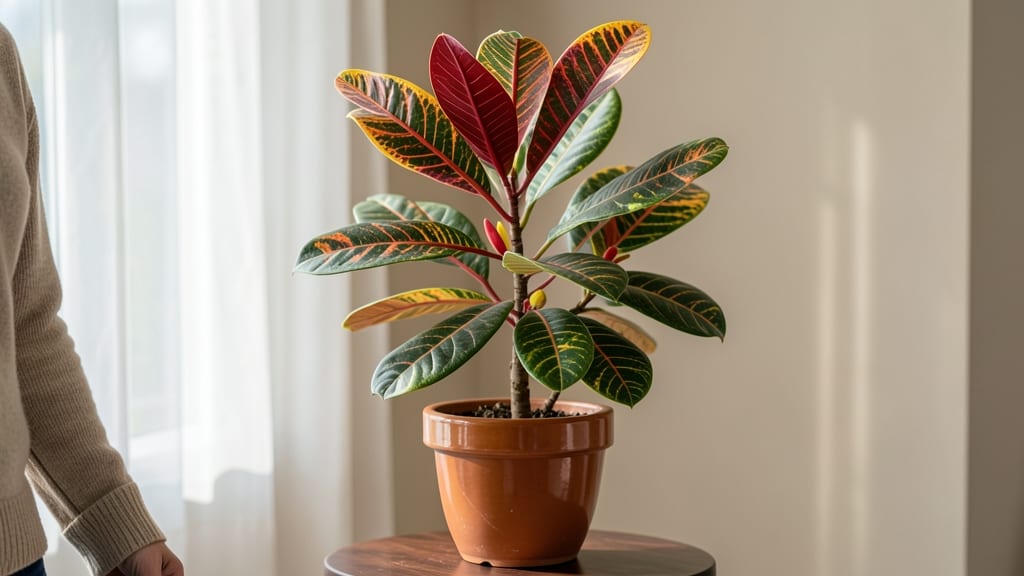
When you bring a croton plant home, its height potential can vary wildly depending on where you grow it. Indoors, most potted crotons stay between 1 to 4 feet tall, while outdoors, they can stretch to 10 feet or more in ideal conditions.
This dramatic difference comes down to space, sunlight, and care routines—so let’s break it down.
Your indoor croton will naturally stay compact because it’s confined to a pot. Without regular pruning, it might lean toward the taller end of that range, especially if you place it near a sunny window.
Outdoors, however, crotons act more like small trees, especially in warm climates where they can grow unchecked for years.
Here’s the key difference: indoor growth is controlled by pot size and light, while outdoor growth is limited only by your yard’s space and climate. For example, a 'Mammoth croton' can reach 6 feet indoors but easily tops 10 feet outdoors in the right conditions.
| Factor | Indoor Growth | Outdoor Growth |
|---|---|---|
| Height Range | 1–4 ft | 3–10+ ft |
| Growth Rate | Slow to moderate | Moderate to fast |
| Space Needs | Potted, limited | Unrestricted, spreads |
| Light Needs | Bright indirect light | Full sun, 6+ hours |
| Pruning Impact | Essential for shape | Optional, but controls size |
If you’re growing a croton outdoors, expect it to grow faster and taller, especially in USDA Zones 10–12. In cooler climates, it may stay smaller or even die back in winter, requiring container growing for protection.
For indoor crotons, regular pruning is your best tool to keep them from becoming too leggy or top-heavy.
One common misconception is that all crotons grow the same height. In reality, dwarf varieties like 'Picturati' stay under 2 feet, while larger types like 'Outlook' can reach 6 feet indoors and even taller outside. Always check the variety description before buying to match your space.
For indoor gardeners, the trick is to repot your croton every 2–3 years to give it room to grow. A larger pot means more root space, which can encourage taller growth—but it also means you’ll need to prune more often to maintain your desired shape.
Outdoors, mulching around the base helps retain moisture and supports faster growth.
Another factor is light exposure. A croton in a north-facing window will grow slower and may stay shorter than one basking in south-facing light. If you notice your plant stretching toward the light, it’s a sign it needs more bright, indirect sunlight to stay compact and healthy.
Whether you’re keeping your croton indoors or outdoors, understanding its height potential helps you plan for its care. A well-pruned indoor plant can thrive for years, while an outdoor croton might need staking or support as it grows taller.
Both scenarios require attention—but the payoff is a stunning, vibrant plant that fits your space perfectly.
Remember, crotons are fast growers when happy. With the right conditions, yours could outgrow its pot—or your yard—in no time! Just keep an eye on its growth habits and adjust your care routine as needed.
Factors that control croton plant height: light, pruning, and variety differences
Understanding what influences your croton plant's height helps you control its growth whether you want a compact houseplant or a lush outdoor shrub. The three biggest factors are sunlight exposure, pruning practices, and the specific variety you choose.
First, light exposure plays a crucial role. Crotons thrive in bright, indirect light and can grow up to 30% taller with optimal sunlight. Without enough light, they’ll stretch toward windows, creating leggy growth and reducing foliage density.
Next, pruning techniques can drastically alter height. Regular pruning encourages bushier growth and prevents your croton from becoming too tall. For example, pinching back new growth in spring can keep a dwarf variety under 2 feet while leaving it unpruned may let it reach 6 feet or more.
Finally, the variety of croton you select determines its natural height range. Some popular types include the 'Mammoth' croton, which can grow 10+ feet tall outdoors, while 'Dwarf Sunshine' varieties stay between 1-2 feet even with minimal pruning.
Key Factors Affecting Croton Height
- 🌞 Sunlight: More light = faster, taller growth (up to 30% increase)
- ✂️ Pruning: Regular trimming keeps height manageable (e.g., 2-4 feet for compact growth)
- 🌿 Variety: Dwarf types (1-2 ft) vs. Mammoth types (10+ ft)
- 💧 Watering: Overwatering can stunt growth; balance is key for healthy height
If you’re growing crotons indoors, place them near a south-facing window for maximum light. For outdoor crotons, full sun exposure will encourage rapid vertical growth, so plan for their mature size when selecting a planting spot.
For height control, prune in early spring or after flowering to shape the plant. Use clean, sharp shears to avoid damaging stems, and always sterilize your tools to prevent disease.
With the right care, you can keep your croton at your desired height—whether that’s a compact tabletop plant or a tall outdoor statement piece.
Remember, crotons are adaptable, so experiment with light levels and pruning to find the perfect balance for your space. The key is consistency—whether you’re nurturing a bushy indoor croton or a tall outdoor specimen, attention to these factors will yield the best results. 🪴