
Plants
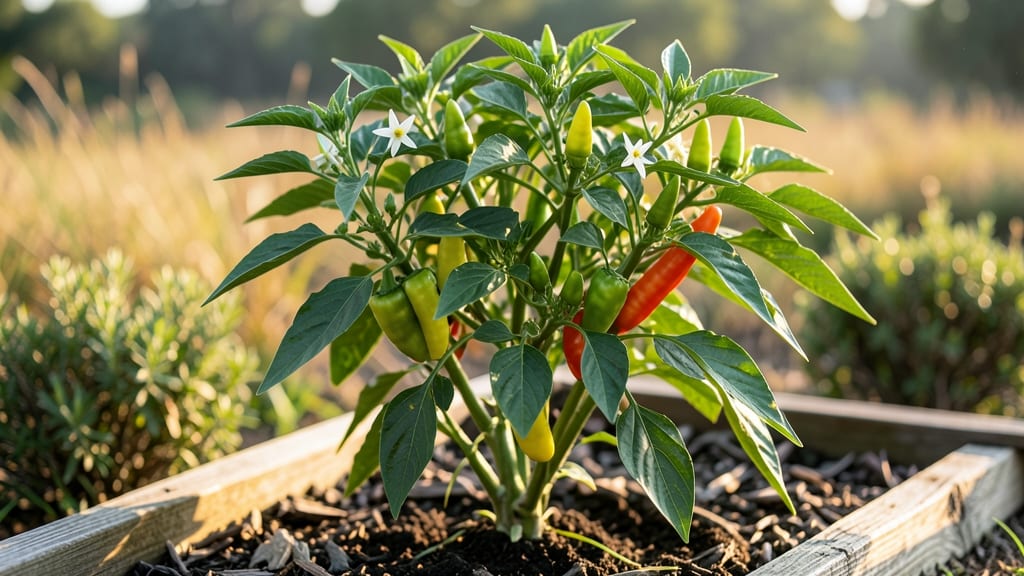
Wondering how tall does a habanero plant grow? If you're planning your garden layout or choosing containers, size matters more than you think. A single habanero pepper 🌶️ plant can range from a compact 2-foot bush to a towering 4-foot vine, depending on the variety and growing conditions.
For gardeners in USDA Zone 6a, timing is everything—planting in April-May gives these heat-lovers the full growing season to reach their potential. But here's the twist: some varieties like 'Carolina Reaper' stretch taller, while others stay shorter, affecting everything from pruning needs to harvest access.
In this guide, I'll break down the exact height ranges for popular habanero varieties and share pro tips to control growth naturally. Whether you're working with limited space or aiming for maximum yield, understanding these details will help you grow healthier, more productive plants.
Ready to optimize your garden? Let's dive into what makes habanero plants reach for the sky—and how you can guide their growth for the best results.

Habanero plant height by variety: exact measurements and growth habits
Habanero peppers are famous for their fiery heat, but their height can surprise first-time growers. On average, most varieties reach 2 to 4 feet tall, but some can stretch up to 5 feet under ideal conditions.
The key difference lies in the variety—some stay compact like bush plants, while others grow like tall vines. This variation affects everything from garden spacing to pruning needs, so let’s break it down by popular varieties.
If you’re planning your garden layout, spacing is critical. Most habanero plants need 18 to 24 inches of space between them, but taller varieties like Carolina Reaper may require up to 3 feet.
This ensures airflow, reduces disease risk, and prevents competition for nutrients. For container growing, dwarf varieties thrive in 5-gallon pots, while standard types need 10+ gallons to support their height and fruit load.
Here’s the catch: heat level doesn’t always correlate with height. Some of the hottest varieties, like Red Savina, are compact, while milder types might grow taller.
Understanding these differences helps you choose the right variety for your space and climate. Let’s dive into the specifics of 10 popular habanero varieties and their mature heights.
How to control habanero plant height: pruning, staking, and training tips
Managing the height of your habanero plants is easier than you think—especially when you know the right techniques. Since these peppers can grow 3-4 feet tall (or even taller if unchecked), proper training prevents sprawl, improves air circulation, and boosts fruit production.
Here’s how to keep your plants at your ideal height without sacrificing vigor.
Start with pruning young plants to encourage bushier growth. Pinch off the tips of main stems when they reach 12-18 inches to trigger lateral branching. This method works best for compact varieties like 'Orange Habanero' but can also help standard types stay manageable.
Just avoid over-pruning—too many cuts can reduce pepper yield.
For taller varieties like 'Carolina Reaper' or 'Red Savina', staking or caging is a game-changer. Use 5-foot bamboo stakes or tomato cages to support vertical growth, preventing stems from flopping over.
Secure the main stem loosely with soft ties (like old t-shirts or plant tape) to avoid damaging the bark as it thickens.
- Prune early: Snip tips when plants hit 12-18" to encourage bushiness.
- Stake tall varieties: Insert 5-ft stakes at planting for support.
- Train vines: Gently weave stems through cages or trellises as they grow.
- Fertilize strategically: Use low-nitrogen feed (like 5-10-10) to limit excessive foliage.
- Harvest regularly: Pick peppers promptly to reduce weight and encourage more flowers.
If your habanero plants are already too leggy, don’t panic—focus on root pruning and better light. Dig around the roots to encourage outward growth, and move plants to a sunnier spot (they need 6+ hours of direct sun).
For container growers, choose 5-gallon pots with drainage to prevent root-bound stress, which can stunt height.
Pro tip: Top-dress with compost instead of heavy fertilizer to avoid fueling rapid vertical growth. Habaneros thrive with organic matter like worm castings, which improve soil structure without promoting excessive height. This keeps plants sturdy while maximizing fruit production at waist-level height for easy harvesting.
Remember, height control isn’t about shrinking plants—it’s about directing their energy where you want it. With these techniques, you’ll enjoy healthier plants, easier access to peppers, and a garden that fits your space perfectly. Happy growing!