Plants
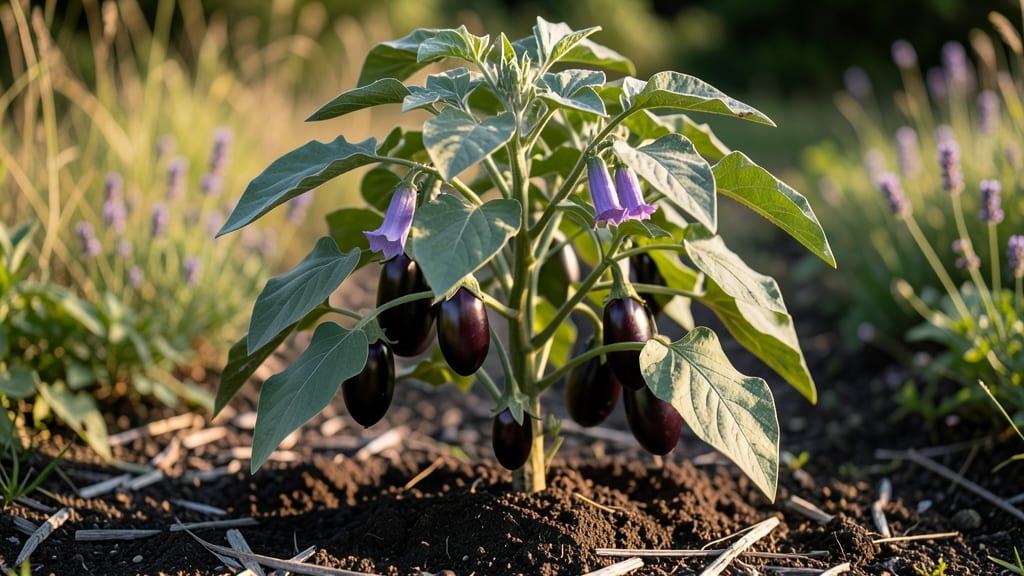
Eggplant height by variety: compact vs. tall-growing types
Eggplants come in a surprising range of heights, from bushy dwarf varieties that stay under 2 feet to tall indeterminate types reaching over 4 feet. The variety you choose directly impacts your garden layout, trellising needs, and even how many plants you can fit in a given space.
For example, my Black Beauty plants last year grew to nearly 4 feet, while my Fairy Tale dwarf varieties topped out at just 18 inches.
Understanding these height differences helps you avoid common mistakes like overcrowding tall plants or underutilizing vertical space. Dwarf varieties are perfect for containers, while standard and tall types thrive when given room to stretch or climb.
Let's break down the key categories so you can choose the right eggplant for your garden setup.
📊 Height Comparison Table
| Variety Type | Height Range | Space Needs | Best For |
|---|---|---|---|
| Dwarf Varieties | 1-2 ft | 12" spacing | Containers, small gardens |
| Semi-Dwarf | 2-3 ft | 18" spacing | Balconies, raised beds |
| Standard Types | 3-4 ft | 24-36" spacing | In-ground gardens |
| Tall/Indeterminate | 4-5 ft+ | 36"+ spacing or trellis | Vertical gardens, large plots |
My Fairy Tale eggplants (dwarf variety) produced just as many fruits as my Black Beauty plants, but in a fraction of the space. This compact growth makes them ideal for urban gardeners or anyone with limited square footage.
The key difference? Dwarf varieties focus their energy on producing smaller fruits quickly, while taller varieties invest in vertical growth first.
For container gardening, stick to dwarf varieties like Fairy Tale or Patio Baby. These thrive in 5-gallon pots with proper drainage. In contrast, standard varieties like Ichiban or Rosa Bianca need deeper containers (at least 12 inches deep) to support their root systems and taller stems.
When planting in ground gardens, maintain proper spacing to prevent disease spread. Tall varieties should be placed at least 3 feet apart to allow airflow, while dwarf types can be spaced 12-18 inches apart.
I learned this the hard way when my Black Beauty plants grew too close together, leading to powdery mildew issues.
Another factor affecting height is pruning habits. Unpruned eggplants tend to grow taller as they produce more fruit. However, strategic pruning can keep even tall varieties more manageable.
For example, pinching off the first few flowers encourages bushier growth. This technique works especially well with indeterminate varieties that would otherwise reach 5 feet or more.
If you're growing eggplants in cool climates, taller varieties may struggle to mature before frost. In these cases, semi-dwarf varieties like Rosa Bianca offer a good compromise—they produce well but stay short enough to protect from late frosts. Always check your last frost date when selecting varieties.
For commercial growers or those with large gardens, tall varieties can be more productive due to their increased surface area for fruit production. However, they require more labor for staking and trellising.
My neighbor grows Long Purple eggplants vertically and harvests 20% more fruit per plant compared to his bush types.
Remember that soil quality and sunlight also influence height. Eggplants grown in poor soil may become leggy as they stretch toward light. Always amend your soil with compost and ensure 6-8 hours of full sun daily to promote healthy, proportional growth.
Eggplant height by variety: compact vs. tall-growing types
Eggplants come in a surprising range of sizes, from dwarf varieties that stay under 2 feet tall to giant types reaching nearly 5 feet. The height you choose directly impacts your garden layout, trellising needs, and even how many plants you can fit in a small space.
For example, my Black Beauty plants last year grew over 4 feet tall, while my Fairy Tale eggplants stayed compact at just 18 inches—a huge difference in space requirements!
Most home gardeners grow standard varieties like Black Beauty or Ichiban, which typically reach 3-4 feet tall and produce long, glossy fruits. These varieties need sturdy support as they mature, especially in windy conditions.
If you're short on space, bush varieties like Patio Baby or Fairy Tale are perfect, staying under 2 feet while still producing plenty of small fruits.
Here’s how eggplant height breaks down by category, including space requirements and ideal growing conditions for each:
| Variety Type | Height Range | Fruit Size | Spacing Needs | Best For |
|---|---|---|---|---|
| Dwarf/Bush | 1–2 ft | Small (4–6 oz) | 12–18" apart | Containers, small gardens |
| Semi-Dwarf | 2–3 ft | Medium (8–12 oz) | 18–24" apart | Balconies, raised beds |
| Standard | 3–4 ft | Large (12–16 oz) | 24–36" apart | Large gardens, trellises |
| Giant/Heirloom | 4–5+ ft | Extra-large (16+ oz) | 36–48" apart | Spacious gardens, trellising |
If you're growing eggplants in containers, opt for dwarf or semi-dwarf varieties like Fairy Tale or Patio Baby. These thrive in 5-gallon pots with proper drainage, making them ideal for balconies or patios.
For ground planting, standard varieties like Black Beauty or Ichiban produce the largest yields but require more space and support.
Pro tip: If you love giant eggplants but lack space, try vertical growing with a trellis or cage. Varieties like Long Purple or Rosa Bianca can grow 5 feet tall but produce long, slender fruits that hang downward—perfect for maximizing vertical space without sacrificing yield.
Just ensure your trellis is sturdy and wide enough to support the weight!
Remember, height isn’t the only factor—fruit size and growth habit also play a role. For example, bush varieties might be shorter but produce more frequent harvests of small fruits, while taller varieties yield fewer but larger eggplants.
Choose based on your space, goals, and preferred fruit size.