
How To
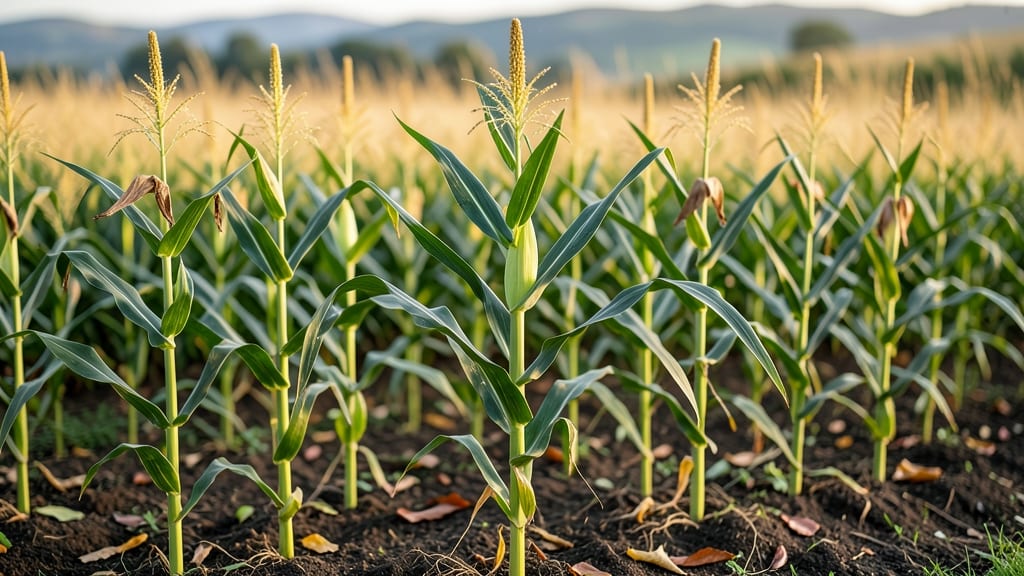
If you're planning to grow corn this spring, you're probably wondering how tall does corn plant grow—because that height can change everything from your garden layout to your harvest expectations. 🌽 The truth is, corn varieties range from compact 3-foot dwarfs to towering 12-foot giants, and your growing conditions play a bigger role than you might think.
Picture this: a 6-foot-tall corn plant might fit perfectly in your backyard, while a 10-foot variety could need as much space as a small tree—and that’s before considering wind or soil quality.
The right variety for your zone (like 6a) can mean the difference between a manageable crop and one that needs staking or even a windbreak.
In this guide, I’ll break down exactly how tall different corn types grow, what factors influence their height, and how you can support them for the best harvest. Whether you’re working with limited space or dreaming of a dramatic cornfield, you’ll find the insights you need to plan ahead.
Ready to turn your garden into the perfect home for corn? Let’s dive into the details so you can grow with confidence—no surprises included.

Corn plant height by variety: dwarf to giant varieties compared
Corn height can vary dramatically depending on the variety you choose, with some reaching towering heights of over 12 feet while others stay compact at just 3 feet. This diversity means you can grow corn in small urban gardens or sprawling farm fields.
The right variety ensures your plants thrive without overwhelming your space or requiring excessive support.
For home gardeners, selecting a variety isn't just about height—it's also about yield, flavor, and ease of cultivation. Dwarf varieties like 'Little and Lovely' are perfect for containers or tight spaces, while standard varieties like 'Country Gentleman' dominate with their impressive stature.
Let's explore how these differences impact your garden planning and corn-growing success.
🌽 Height Comparison Table
| Variety Type | Height Range | Best For | Spacing Needs |
|---|---|---|---|
| Dwarf Sweet Corn | 3–5 ft | Containers, small gardens, urban farms | 12–18 inches apart |
| Semi-Dwarf Sweet Corn | 5–7 ft | Home gardens, raised beds | 24–30 inches apart |
| Standard Sweet Corn | 8–12 ft | Large gardens, farms, high yields | 36–48 inches apart |
| Field Corn (Grain) | 10–14 ft | Farmers, livestock feed, large-scale planting | 36–48 inches apart |
| Ornamental Corn | 4–10 ft | Decorative gardens, borders, landscape features | 24–36 inches apart |
If you're growing sweet corn for home use, dwarf varieties like 'Golden Bantam' (4–5 ft) are ideal for small spaces or container gardening. These varieties produce plump, flavorful ears without requiring extensive garden real estate.
Meanwhile, standard varieties like 'Silver Queen' or 'Country Gentleman' can reach 10+ feet, making them perfect for large gardens or farmers looking to maximize yield.
Field corn, often used for animal feed or biofuel, grows even taller—sometimes exceeding 14 feet. This height isn't just for show; it's a sign of the plant's robust root system and ability to produce high-yield grain. However, field corn requires ample space and strong support to prevent lodging (falling over) under heavy grain loads.
For ornamental corn, varieties like 'Glass Gem' offer striking colors and heights between 4–10 feet. These are perfect for adding visual interest to your garden while still being functional.
The key is to choose a variety that matches both your space constraints and your gardening goals, whether that's maximizing yield, saving space, or adding beauty.
When planning your garden layout, always check the spacing recommendations for your chosen variety. Crowding plants can lead to poor pollination, stunted growth, and even disease susceptibility.
For example, standard sweet corn needs at least 36 inches between plants to ensure each stalk has enough room to develop fully. If you're short on space, consider vertical growing or interplanting with shorter crops like beans or lettuce.
Another factor to consider is maturity time. Taller varieties often take longer to mature than dwarf types, so if you're in a shorter growing season, you might need to opt for early-maturing dwarf varieties to ensure a successful harvest.
For instance, 'Little and Lovely' matures in about 60–70 days, while 'Country Gentleman' takes closer to 90–100 days.
Pro tip: If you're new to growing corn, start with a mix of varieties to test what works best in your space. Plant a few dwarf varieties for easy access and quick harvests, and a couple of standard varieties to see how they perform in your local climate.
This way, you can adjust future plantings based on real-world results.
Remember, the height of your corn plants isn't just about aesthetics—it directly impacts yield, pollination success, and ease of care. By choosing the right variety for your garden, you'll set yourself up for a bountiful harvest
How growing conditions affect corn height: sun, soil, and spacing secrets
Your corn plants’ final height isn’t just about the variety you choose—growing conditions play an equally critical role. 🌱 While some varieties naturally reach 10+ feet, others might stay short if they don’t get the right care.
Let’s break down the key factors that determine how tall your corn will grow, so you can set your plants up for success from day one.
First, sunlight exposure is non-negotiable. Corn thrives in full sun (6-8+ hours daily), but even slight shade can stunt growth. For example, a Country Gentleman variety (normally 10+ feet) might only reach 6-7 feet if planted in partial shade. That’s a 3-foot difference just from light conditions! ☀️
Next, soil fertility—especially nitrogen—directly impacts stalk strength and height. A soil test can reveal deficiencies, but even rich soil needs balanced fertilization (like 10-10-10 NPK) applied every 4-6 weeks during the growing season.
Without enough nitrogen, your corn might grow tall but weak, leading to lodging (falling over), which we’ll cover later.
Don’t overlook spacing, either. Corn planted too closely (less than 12 inches apart) competes for nutrients and sunlight, resulting in shorter, thinner stalks. For optimal height, space plants 12-18 inches apart in rows 30-36 inches apart.
This gives roots room to grow deep and stalks to reach their full potential.
| Factor | Ideal Condition | Effect on Height |
|---|---|---|
| Sunlight | 6-8+ hours/day | Maximizes stalk growth; shade reduces height by 20-40% |
| Soil Nitrogen | High (test levels: 100+ ppm) | Supports taller stalks (up to 3 ft taller) with strong stems |
| Spacing | 12-18" apart in rows 30-36" apart | Prevents competition; crowding reduces height by 1-2 ft |
| Water | 1-2" per week (consistent) | Drought stress stunts growth by 15-30%; overwatering causes weak stalks |
Even with perfect conditions, wind and pests can throw a wrench into your height goals. Strong winds can bend or snap tall varieties like ‘Golden Bantam’ (8+ feet), while pests like corn borers weaken stalks internally.
To mitigate these risks, plant windbreaks (like sunflowers) or use row covers early in the season to protect young plants.
Finally, remember that temperature matters. Corn grows best in USDA Zone 6a or warmer, where frost-free days exceed 120-165 days. If you’re in a cooler zone, opt for shorter varieties (5-7 feet) like ‘Bodacious’ or ‘Silver Queen’ to ensure they mature before the first frost.
With the right conditions, even a dwarf variety can surprise you with extra height!
Now that you know how to optimize height, your next question might be: How do I support these towering plants? Stay tuned for my next section on trellising and staking tips to keep your corn standing tall and proud—no matter how big it grows! 🌽