
How To
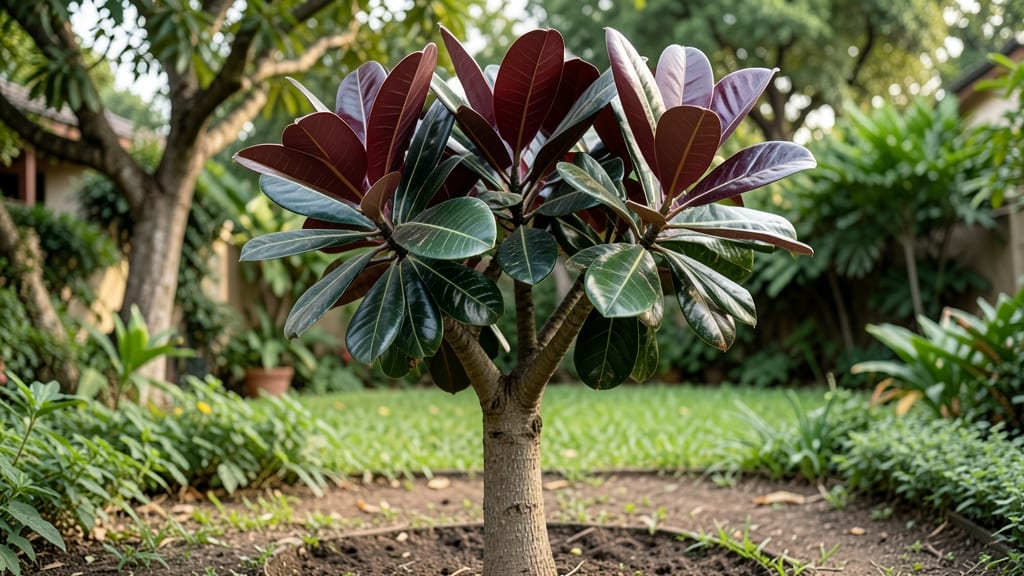
Wondering how tall does rubber plant grow before it starts dominating your living room? This glossy-leaved stunner can stretch from a modest 3 feet to a towering 10 feet—or even more—if you don’t guide its growth.
The key lies in choosing the right variety and giving it the care it craves, whether you’re dreaming of a compact desk companion or a bold statement plant for your space.
Rubber plants (🌿 Ficus elastica) are fast growers, but their final height depends on factors like light, pruning, and even the pot size you choose. Some varieties stay petite, while others reach for the ceiling—literally.
If you’re working with limited space, I’ll show you how to keep it in check without stunting its natural beauty. Let’s break down the heights you can expect and how to shape this plant to fit your home perfectly.
Indoor rubber plants typically max out around 6-10 feet with proper care, but outdoor specimens in warmer climates like USDA Zone 6 can grow even taller. The good news?
With a little pruning and strategic placement, you can enjoy its lush foliage at any height—whether you want it as a low tabletop centerpiece or a dramatic vertical accent. Ready to learn the secrets to controlling its growth?
From dwarf varieties that stay under 3 feet to standard types that demand ceiling clearance, we’ll cover everything you need to know. Plus, I’ll share my top tips for encouraging healthy growth without sacrificing that signature rubber plant drama. Let’s get started!

Rubber plant height limits by variety: from compact to towering giants
Rubber plants (Ficus elastica) are famous for their bold, glossy leaves and dramatic growth—but their height can vary wildly depending on the variety. Some stay compact enough for small apartments, while others reach tree-like heights in just a few years.
If you’re choosing one for your space, knowing these height ranges helps you pick the perfect fit.
The average mature height for most rubber plants falls between 6 and 10 feet, but dwarf varieties can stay as short as 3 feet with proper care.
Even standard types can be managed to stay smaller if you prune regularly. Let’s break down the most popular varieties and their growth potential.
| Variety | Mature Height | Growth Rate | Best For |
|---|---|---|---|
| 'Black Prince' | 6–10 ft | Moderate (1–2 ft/year) | Dramatic foliage, large spaces |
| 'Robusta' | 3–6 ft | Fast (2–3 ft/year) | Indoor growth, beginner-friendly |
| 'Burgundy' | 4–8 ft | Moderate (1–2 ft/year) | Color contrast, medium rooms |
| 'Variegata' | 5–9 ft | Slow (1 ft/year) | Unique patterns, bright light |
| 'Dwarf Varieties' (e.g., 'Tineke') | 3–5 ft | Slow (6–12 in/year) | Small spaces, desks, shelves |
Dwarf varieties like 'Tineke' or 'White Princess' are perfect for desks or windowsills, while 'Black Prince' or 'Decora' thrive as statement plants in living rooms or offices. Even standard varieties can be kept smaller with regular pruning—I’ll show you how in the next section.
Light exposure plays a huge role in height. Rubber plants grown in bright indirect light (like an east-facing window) tend to grow taller and bushier, while those in lower light may stay shorter but leggier.
If you’re aiming for a compact look, rotate your plant occasionally to encourage even growth.
Outdoor rubber plants can grow even taller—sometimes reaching 10+ feet in tropical climates (USDA Zones 10–12). In cooler zones, they’ll stay smaller unless you bring them indoors for winter. Just remember: indoor rubber plants grow fastest in spring and summer, so that’s when they’ll shoot up the most.
If you’re worried about your rubber plant becoming too tall for your space, don’t panic—pruning is your best friend. You can trim back leggy stems to encourage bushier growth or even propagate new plants from cuttings.
I’ll cover these techniques in detail in the next section, so stay tuned!
Pro tip: Measure your plant’s height every few months to track its growth. If it’s shooting up faster than you’d like, adjust its light exposure or prune it back. With the right care, you can keep your rubber plant at just the right height for your home.
How to control rubber plant height: pruning and growth habit tips
If your rubber plant is shooting up faster than you’d like, don’t worry—you’re not alone! With the right pruning techniques and growth habits, you can keep it at your desired height, whether that’s a compact 3-foot tabletop plant or a 6-foot statement piece.
The key is timing, tools, and a little patience.
Pruning isn’t just about cutting back overgrowth; it’s also about encouraging bushier growth. When you trim the top stems, the plant will often send out new shoots from the sides, creating a fuller, more balanced shape.
Plus, regular pruning helps prevent those leggy, weak stems that can snap under their own weight.
Here’s how I manage my rubber plants to keep them at the perfect height:
For dwarf varieties like 'Burgundy' or 'Black Prince,' pruning is less critical, but a light trim every 6-12 months keeps them tidy.
Meanwhile, standard varieties like 'Tineke' or 'White Princess' need more frequent attention—especially if you want to maintain that 3-5 foot height instead of letting them reach their full 10-foot potential.
Remember, rubber plants are resilient! Even if you prune too much by accident, they’ll bounce back with time. The key is consistency—just like weeding or watering, a little maintenance goes a long way in keeping your plant at the perfect height for your space.