How To
Jade plant light requirements: ideal hours and intensity for healthy growth
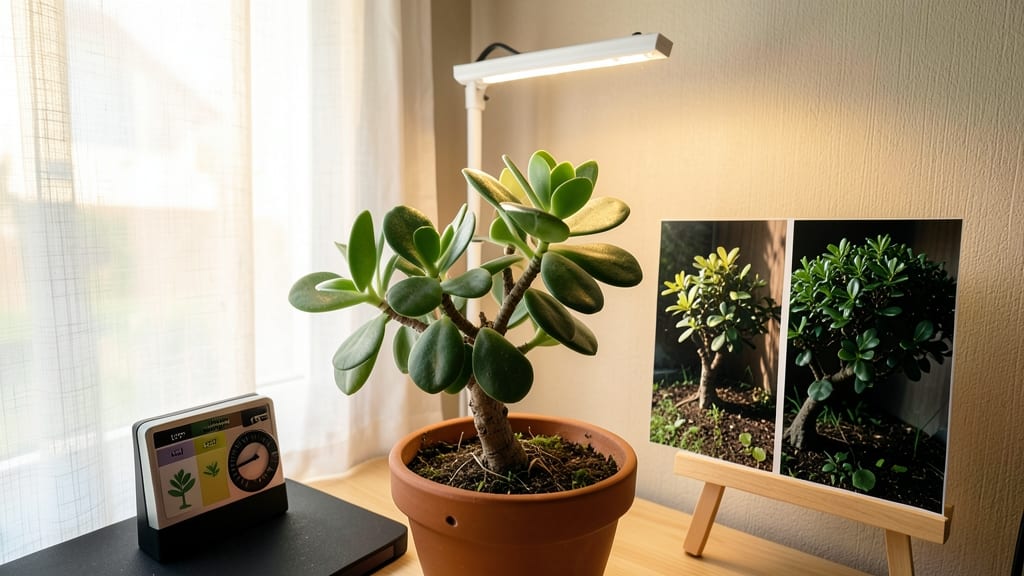
Jade plants (Crassula ovata) thrive with bright indirect light—about 4 to 6 hours daily. Too little causes leggy growth, while too much triggers sunburn. The key is morning sun exposure (6 AM–10 AM) and filtered afternoon light to avoid harsh rays.
Indoor plants near south-facing windows may need sheer curtains to diffuse intensity.
Outdoor jade plants love partial shade in hot climates, especially during summer afternoons. In cooler zones, they tolerate direct morning sun and 2–3 hours of afternoon sun. Always monitor leaves for color changes—pale yellow or reddened edges signal light stress.
Seasonal adjustments are critical. Winter months (December–February) often require supplemental grow lights since natural light weakens. Place your jade plant 2–3 feet from an east or west window for optimal balance, ensuring leaves don’t stretch toward light sources.
| Condition | Ideal Specification | Signs of Stress |
|---|---|---|
| Light Type | Bright indirect (east/west windows) | Leaves stretch (etiolation) or scorch |
| Daily Hours | 4–6 hours (morning sun preferred) | Pale yellow or red/brown patches |
| Winter Light | Supplement with grow lights (12–14 hrs) | Leggy stems, sparse foliage |
| Outdoor Sun | Morning sun + afternoon shade | Sunburn (white/yellow patches) |
Direct afternoon sun (12 PM–4 PM) is the biggest threat—it causes sunburn scars that appear as white or yellow patches on leaves. If your jade plant develops these, move it further from the window or use a light sheer curtain to filter UV rays.
Rotate the pot quarter-turn weekly to ensure even growth and prevent lopsided exposure.
Low-light conditions (north-facing windows or deep indoor spaces) lead to etiolation—long, weak stems with sparse leaves. If this happens, relocate your plant to a brighter spot or use a LED grow light for 6–8 hours daily. Avoid fluorescent bulbs—they emit too little red spectrum for optimal growth.
Pro tip: Test your light setup by observing leaf color weekly. Healthy jade leaves are thick, glossy, and jade-green. Any deviation (dullness, red tips, or stretching) means adjusting light exposure immediately. Remember, consistency is key—sudden light changes stress the plant.
For outdoor jade plants in USDA Zone 6, introduce them to sunlight gradually after last frost (mid-April). Start with 2–3 hours of morning sun, then increase to 4–6 hours by summer. In hot climates, provide afternoon shade with a 50% shade cloth to prevent heat stress.
Winter care is often overlooked. Without sufficient light, jade plants enter dormancy, slowing growth. If natural light drops below 4 hours daily, supplement with a full-spectrum LED bulb (6,500K color temperature). Place it 12–18 inches above the plant for 12 hours to mimic daylight.
Always prioritize light quality over quantity. A jade plant in bright indirect light will grow healthier than one basking in harsh direct sun. Use these guidelines to create the perfect balance, and your plant will reward you with thick, vibrant leaves for years.
How to adjust light for jade plants in different environments (indoor vs. outdoor)
Jade plants are famously adaptable, but their light needs shift dramatically between indoor apartments and outdoor gardens. In low-light apartments, they’ll stretch toward windows, while outdoor pots need afternoon shade to prevent sunburn. The key is balancing their 4-6 hours of bright indirect light with seasonal adjustments.
For indoor jade plants, east or west-facing windows are ideal—they offer gentle morning or soft afternoon sun. South-facing windows work too, but place your plant 3 feet back to avoid harsh midday rays.
If your space lacks natural light, supplement with a grow light 6-12 inches away for 6 hours daily.
Outdoor jade plants thrive in partial sun (morning sun + afternoon shade), especially in hot climates. Move pots to dappled shade by late afternoon to prevent leaf scorch. In cooler zones, they can handle full sun, but monitor for signs of stress like reddening leaves or crispy edges.
Rotate your jade plant quarter-turns every 2 weeks to keep growth balanced. This is critical for indoor plants near windows or outdoor pots in shaded spots. Uneven light exposure causes one side to grow faster, leading to lopsided, weak plants that topple over.
In winter, indoor jade plants need extra light due to shorter days. If leaves pale or stems elongate, move the plant closer to a south-facing window or add a LED grow light. Avoid drafts from windows or vents, which stress the plant and inhibit photosynthesis.
For outdoor jade plants, harden them off gradually before moving to pots. Start with 2 hours of morning sun in spring, then increase by 1 hour weekly.
After the last frost (mid-April in most zones), they can enjoy full outdoor conditions—just water deeply but infrequently to mimic their drought-tolerant roots.
Pro tip: Use a light meter app to check intensity. Jade plants thrive at 2,500-5,000 lux. If readings drop below 1,000 lux, supplement with artificial light to prevent etiolation (stretched, weak growth). 🌿