
Watering
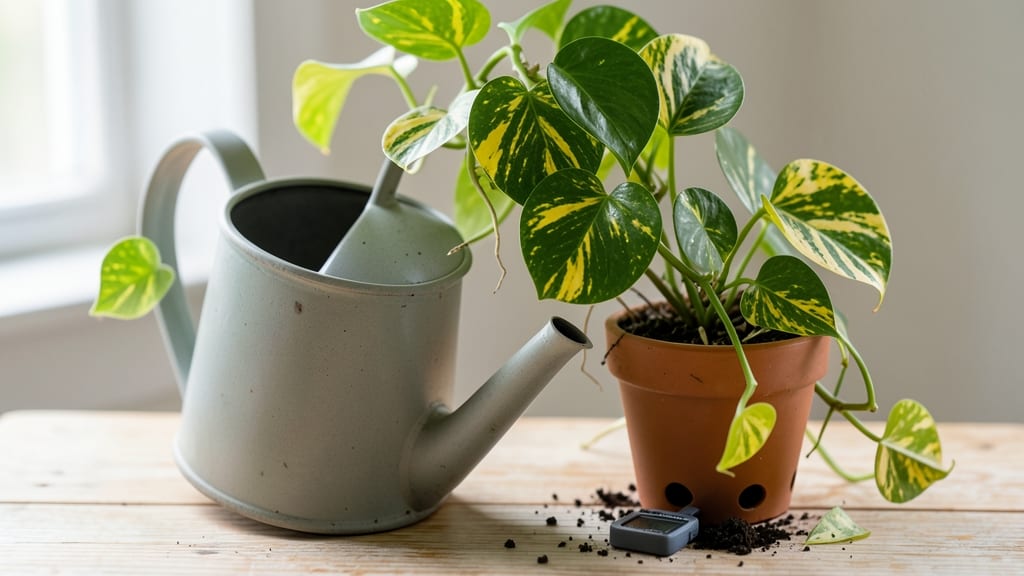
If your 💱 money plant needs the right how much water to thrive, you're not alone—most plant parents make the same watering mistakes.
The key to keeping those lush leaves vibrant lies in understanding exactly when (and how much) to water, because overdoing it or skipping too long can both spell trouble.
We've learned the hard way that money plants prefer their soil to dry out slightly between waterings, but there's more to it than just a schedule. Seasonal changes, pot size, and even your home's humidity all play a role in how often you should reach for that watering can.
Let me show you the simple tricks that'll keep your plant thriving year-round.
What you'll discover is that watering frequency isn't one-size-fits-all—it changes with the seasons and your plant's signals. We'll cover the exact soil moisture test to perform, how to spot overwatering versus underwatering, and why your money plant might be sending you SOS signals through its leaves.
Whether you're a first-time plant parent or just want to perfect your care routine, these insights will help you create the ideal watering routine. Say goodbye to guesswork and hello to a money plant that looks as healthy as it makes you feel!
How often to water a money plant based on leaf health
Your money plant (Pachira aquatica) thrives on a consistent but cautious watering routine. Unlike drought-tolerant succulents, it prefers slightly moist soil without soggy roots. The key? Check soil moisture before watering—never on a schedule alone.
My rule: Water when the top 1-2 inches feel dry to the touch. This prevents both root rot and dehydration, two common killers of this tropical beauty.
Seasonal changes drastically alter your watering frequency. In spring and summer, your money plant drinks more due to active growth and higher humidity. That’s every 5-7 days for most indoor setups.
But in fall and winter, growth slows, and watering needs drop to every 10-14 days. Even indoor plants experience this natural rhythm—just like us, they conserve energy when it’s cooler.
🌱
| Season | Watering Frequency | Soil Check | Leaf Health Signs |
|---|---|---|---|
| Spring | Every 5-7 days | Top 1 inch dry | Bright green, firm leaves |
| Summer | Every 5-7 days | Top 1-2 inches dry | Slightly faster growth |
| Fall | Every 7-10 days | Top 2 inches dry | Growth slows slightly |
| Winter | Every 10-14 days | Top 2-3 inches dry | Leaves may yellow slightly (normal) |
Your money plant’s leaves speak volumes about its hydration needs. Dry, crispy edges scream "underwatering," while yellowing leaves warn of overwatering. Drooping stems? Often a sign the roots are thirsty, but check for root rot first—black, mushy roots mean you’ve drowned your plant.
The fix? Adjust your routine based on these visual cues and stick to the soil-check method. Trust me, your plant will thank you with glossy, vibrant leaves.
Pot size plays a surprising role in watering needs. A small 6-inch pot dries out faster than a large 12-inch container. For tiny pots, water every 5-7 days in summer, while larger pots can stretch to 10-14 days.
Pro tip: Group plants together—the humidity they create mimics their tropical homeland. Just avoid placing them near drafty windows or vents, which dry out soil too quickly.
Morning watering is my non-negotiable rule. Why? It gives roots time to absorb moisture before evening, reducing fungal risks. Avoid watering at night—soggy leaves overnight invite pests like spider mites. Use room-temperature water (never cold) to prevent shock.
And here’s a trick I learned from my grandma: Bottom-water your plant occasionally. Place the pot in a tray of water for 10-15 minutes—this encourages deep root growth and prevents surface mold.
💧
Humidity levels dramatically impact your watering routine. If your home feels dry (below 40% humidity), your money plant will need water more frequently. Aim for 50-60% humidity—a pebble tray with water or a humidifier works wonders.
In humid climates (above 60%), you can water slightly less often. Always pair humidity adjustments with soil checks. Remember: Your plant’s environment is just as important as the watering schedule itself.
New money plant owners often make one critical mistake: watering on a strict calendar rather than reading the plant’s signals. Plants don’t follow our schedules—they follow their own rhythms. Instead of guessing, use the finger test: Stick your index finger 1-2 inches into the soil.
If it feels dry, water; if it’s damp, wait. This method works every time, regardless of season or pot size. It’s the gold standard for money plant care.
🌿
For outdoor money plants in warm climates (USDA zones 10-12), watering needs shift dramatically. These plants can handle more frequent watering—every 3-5 days in peak summer—because they’re exposed to wind and sun. But always check the soil first.
Outdoor plants also benefit from mulching around the base to retain moisture. And here’s a pro move: Water deeply but less often to encourage strong root systems. Shallow watering leads to weak, surface roots that dry out faster.
Your money plant’s watering needs aren’t just about survival—they’re about thriving. When you nail the balance, you’ll see rich green leaves, faster growth, and even those prized reddish stems that signify a happy plant.
Start with the soil-check method, adjust for your home’s humidity, and always water in the morning. Do this, and your money plant will reward you with lush, vibrant foliage for years to come.
How often to water a money plant based on leaf health
Your money plant’s leaves whisper secrets about its thirst—dry edges mean it’s begging for water, while yellowing leaves scream it’s drowning. The key is reading these signs and adjusting your watering schedule like a pro.
Money plants thrive on a balance: slightly moist soil that never stays soggy. Think of their roots as delicate sponges—too much water, and they rot; too little, and they shrivel.
Start by checking the top 1-2 inches of soil with your finger. If it feels dry, it’s time to water. For most indoor money plants, this means every 7-10 days in spring and fall, but every 5-7 days in summer when growth speeds up.
Winter slows everything down, so stretch that watering to every 10-14 days. Pro tip: Smaller pots dry out faster—adjust your schedule accordingly.
| Leaf Condition | Watering Frequency | Soil Check | Action |
|---|---|---|---|
| Dry, crispy edges | Every 5-7 days | Top 1-2" dry | Water thoroughly |
| Yellowing leaves | Every 10-14 days | Top 3" still damp | Reduce watering |
| Drooping leaves | Every 3-5 days | Top 3" bone dry | Deep watering needed |
| Healthy, vibrant leaves | Every 7-10 days | Top 1-2" slightly dry | Maintain routine |
Seasonal shifts demand flexibility. In spring and summer, your money plant’s growth accelerates, so it drinks more. Winter is its dormant phase—water less frequently and avoid cold drafts. A humidifier nearby or pebble tray can mimic tropical conditions, reducing the need for extra water.
Remember, money plants store water in their stems, so they’re surprisingly resilient when you get the balance right.
Morning is the best time to water—it mimics natural rainfall cycles and gives leaves time to dry before nightfall. Avoid the bottom of the pot for watering; instead, pour water at the soil line to prevent root rot.
Let excess water drain completely, and always use a pot with drainage holes. This simple habit can save your plant from a waterlogged grave.
If your money plant’s leaves start curling or wilting, it’s a cry for help. Check the soil immediately—if it’s dry, water deeply until it runs out the drainage hole. For yellow leaves, cut back on watering and ensure the pot isn’t sitting in saucers of stagnant water.
These small adjustments can turn a struggling plant into a thriving, lucky charm for your home.
Trust your money plant’s signals—it’s smarter than you think. With this leaf-based watering guide, you’ll master the art of keeping its roots happy and its leaves lush. Soon, you’ll be the envy of every plant parent with a money plant that looks like it’s been pampered by a botanist.