Companion Plants
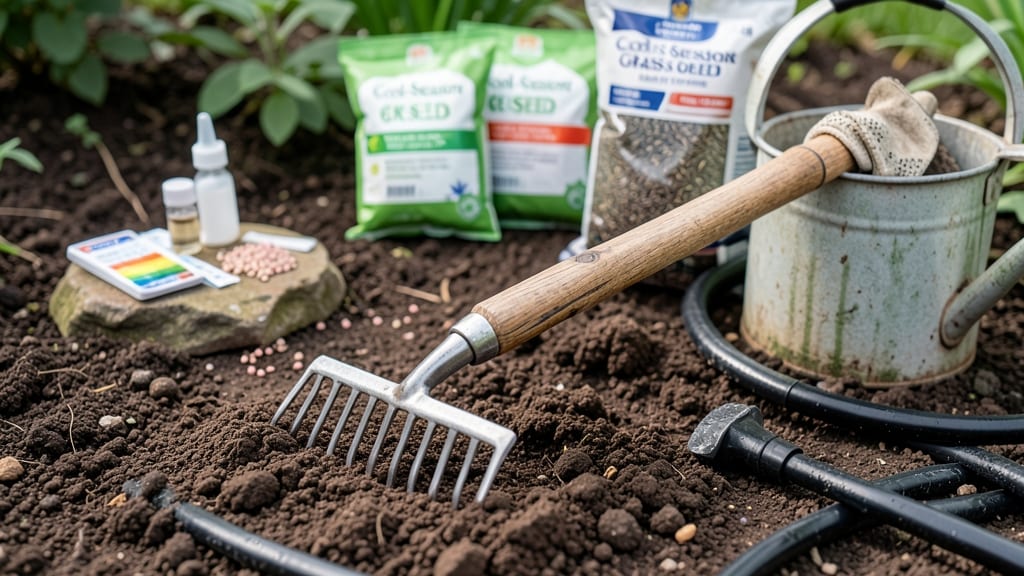
Planting grass seed in Colorado at the wrong time means throwing money into the wind—literally. The exact window for success is narrow, and missing it could leave you with patchy lawns or wasted seed, especially with Colorado’s 5-7 (varies by region) USDA zones and unpredictable weather swings.
Most gardeners assume spring is the only time to plant 🌱, but Colorado’s early fall (August-September) often gives seeds a better chance to root before winter sets in. I’ve seen firsthand how a 2-week difference in timing can mean the difference between a thick lawn and a brown desert.
Whether you’re in Denver’s Front Range or the high-altitude mountains, the key is understanding your microclimate. We’ll break down the best weeks to plant based on your location, plus how to adjust for late frosts or early heatwaves—because Colorado doesn’t play by the rules.
Ready to stop guessing and start growing? Let’s dive into the science-backed schedule that’ll give you the lushest grass possible, no matter where you are in the state.
Best weeks to plant grass seed in Colorado by region (with exact dates)
Colorado’s diverse elevation zones and microclimates mean planting dates vary dramatically. Whether you’re in Denver’s Front Range, the dry Western Slope, or high-altitude mountain towns, knowing your USDA zone and last frost date is critical.
Aim for soil temperatures between 50°F–65°F for ideal germination—too cold or hot, and your seeds will fail.
For most of Colorado, the optimal planting windows are early spring (March–April) and early fall (August–September). Spring planting lets seeds establish before summer’s heat, while fall gives roots time to strengthen before winter.
Mountain regions (Zone 5) have shorter windows due to earlier frosts, while the Eastern Plains (Zone 7) can extend planting slightly later.
🌱 Pro Tip: Use a soil thermometer to confirm temperatures. Seeds won’t sprout if the ground is below 50°F or above 70°F.
If you’re in Denver or Colorado Springs, target the last two weeks of March for spring planting. For Grand Junction or Durango, wait until early April to avoid late frosts. Mountain areas like Aspen or Breckenridge should delay until May—their shorter growing season demands patience.
Fall planting is trickier in Colorado due to early snowfall risks. Stick to August–early September to give seeds time to germinate before the first frost. Avoid planting in October unless you’re in Zone 7 (e.g., Pueblo), where frosts arrive later.
For high-elevation gardens (above 8,000 ft), consider cool-season grasses like fine fescue, which tolerate colder soils and shorter growing seasons. These varieties can even handle late May plantings in some mountain zones.
Always check local almanac data or your Cooperative Extension office for year-specific frost dates. Colorado’s Chinook winds can push last frosts weeks later in some areas, while others may see early snow. Plan accordingly!
🌿 Key Takeaway: Spring = March–April; Fall = August–September. Adjust for elevation—higher = later, lower = earlier.
How to adjust planting timing for Colorado’s unpredictable weather patterns
Colorado’s weather can shift faster than a mountain breeze—one day it’s 50°F and sunny, the next it’s snowing. This unpredictability makes planting timing your biggest challenge. But don’t panic: with the right adjustments, you can still get that lush lawn even if Mother Nature throws curveballs.
First, always check the 10-day forecast before planting. Look for consistent soil temperatures above 50°F (use a soil thermometer) and no hard frost predicted in the next 2 weeks. If your area gets an unexpected late frost, cover new seedlings with lightweight row covers or old blankets until danger passes.
Here’s my backup plan for when Colorado’s weather betrays you: if spring planting windows close too early (e.g., May heatwaves arrive), switch to fall planting instead. Fall offers cooler temps, steady moisture, and fewer weeds—ideal for grass seed to establish roots before winter dormancy.
For high-elevation areas (above 7,500 feet), like the Rocky Mountains, aim for late May to early June planting. These regions have shorter growing seasons and cooler soils, so tall fescue or fine fescue varieties are your best bet—they tolerate colder soils and dry spells better than Kentucky bluegrass.
If you’re in the Front Range (Denver, Colorado Springs), monitor Chinook winds—they can dry out soil faster than you think. After planting, mulch with straw to retain moisture and protect seeds from wind.
For the Western Slope (Grand Junction, Durango), watch for sudden heatwaves in spring—these areas can jump from 40°F to 90°F in days.
Pro tip: Use a seed starter fertilizer with higher phosphorus (look for 10-20-10 NPK) to boost root growth during unpredictable conditions. And if all else fails, sod might be your safest bet—it establishes faster and handles Colorado’s whims better than seed.