
Companion Plants
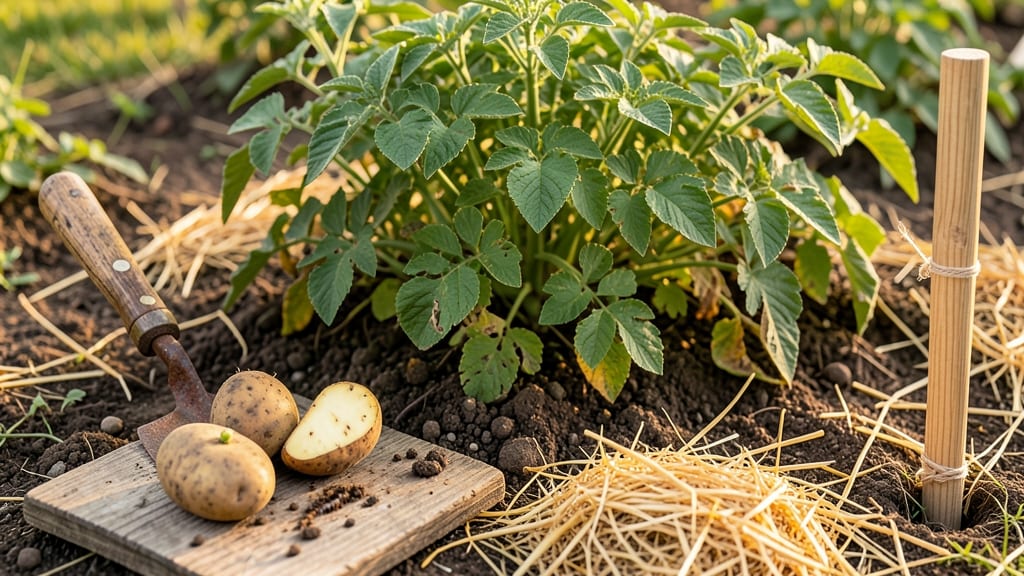
Planting potatoes in Zone 6b at the wrong time can mean the difference between a bountiful harvest and a disappointing pile of shriveled spuds. The key isn't just waiting for spring—it's understanding when your soil is truly ready to support those hungry 🥔 plants.
In Zone 6b, where frost lingers until mid-April on average, timing matters more than you might think. Plant too early, and your potatoes will rot in cold soil; too late, and you risk stunted growth before summer heat sets in.
The sweet spot? When soil temperatures hit 45°F—usually around early April, but with some clever tricks like chitting or frost protection, you can even start as early as late February.
I’ve learned the hard way that rushing the process leads to weak starts and disease-prone tubers. But with the right schedule—whether you’re planting traditional seed potatoes or experimenting with containers—you can maximize your yield. Let’s break down exactly when to get those potatoes in the ground for the best results.
From early spring prep to adjusting for late-winter starts, I’ll walk you through the steps that have worked for me in Zone 6b. Whether you’re a seasoned gardener or just starting, these tips will help you avoid common mistakes and grow potatoes that are crisp, flavorful, and ready for harvest by mid-summer.
Exact weeks before last frost to plant potatoes in Zone 6B
In Zone 6B, your last average frost date typically falls around April 15. To maximize your potato harvest, aim to plant 2-4 weeks before this date, but never earlier than when the soil reaches 45°F (7°C).
Cold soil delays germination and invites rot. My personal rule? Wait until the ground is workable—no more mud between your fingers!
For early varieties, like 'Yukon Gold', plant 4-6 weeks before last frost (early March). These cold-tolerant types sprout quickly in cool soil. Mid-season varieties, such as 'Russet', prefer planting 2-4 weeks before last frost (late March to early April).
Late varieties like 'Red Pontiac' can wait until April 1-15, but risk shorter harvest windows.
Here’s the golden rule: Soil temperature matters more than calendar dates. Use a soil thermometer to confirm readiness. If temps dip below 40°F (4°C), germination slows dramatically. In my garden, I’ve seen 30% slower sprouting when planting too early—don’t let that happen to you!
Pro tip: Chitting (pre-sprouting) your seed potatoes 4-6 weeks before planting gives them a head start. Place cut ends in a cool, bright spot (55-60°F) and watch for 1-inch sprouts. This trick shaves critical weeks off your growing season in Zone 6B’s short spring.
| Planting Window | Ideal Soil Temp | Weeks Before Last Frost | Best Varieties |
|---|---|---|---|
| Early March | 45-50°F (7-10°C) | 4-6 weeks | Yukon Gold, Red Norland |
| Late March | 50-55°F (10-13°C) | 2-4 weeks | Kennebec, Russet |
| Early April | 55°F+ (13°C+) | 0-2 weeks | Red Pontiac, Fingerlings |
If you’re planting in containers, warm soil faster by placing pots on black plastic mulch or using grow lights for stubborn early starts. Containers also let you plant 2 weeks earlier than in-ground beds since they heat up quicker. Just ensure pots have drainage holes to prevent rot!
Watch for false springs—those warm spells in February that trick you into planting too soon. In Zone 6B, a late frost can still hit after March 20.
I learned this the hard way when a -2°F (27°C) dip in late March wiped out my early planting. Always have a row cover ready to protect tender sprouts.
For extended harvests, stagger plantings every 2-3 weeks from early March to mid-April. This ensures a steady supply of potatoes from mid-July through September. I’ve used this method to enjoy fresh spuds for 12 weeks straight—no store-bought needed!
Never plant potatoes in fresh manure or wet soil. Both conditions invite disease and rot. Instead, amend your soil with composted material and ensure good drainage.
A simple test: Dig a hole, fill it with water, and time how long it drains. If it takes more than 2 hours, your soil’s too compacted.
Remember: Potatoes need space. Plant seed pieces 4 inches deep and 12 inches apart in rows 3 feet apart to allow for hill-building later. Crowding leads to small, misshapen tubers and increased blight risk. Trust me, your future self will thank you!
How to adjust your planting schedule for different potato varieties in Zone 6B
Not all potatoes are created equal—and in Zone 6B, choosing the right variety for your planting schedule can mean the difference between a bountiful harvest and a disappointing yield.
Early varieties like 'Red Norland' thrive when planted 4-6 weeks before last frost, while late varieties like 'Kennebec' do best when planted 2-4 weeks before. The key is matching your variety’s days to maturity with your local frost dates.
For early-season potatoes (60-90 days to harvest), plant late February to early March in Zone 6B. These varieties, such as 'Yukon Gold' or 'Kennebec', are cold-hardy and can handle cooler soils. They’re perfect for early harvests and work well if you’re eager to get digging before summer heat arrives.
I’ve found that planting these in containers or raised beds speeds up soil warming, giving them a head start.
Mid-season varieties (90-110 days to maturity) like 'Russet' or 'Red Pontiac' should go in the ground 2-4 weeks before last frost (late March to early April). These are my go-to choices for staggered plantings, as they provide a steady supply of potatoes from mid-July through August.
The trick? Plant them in successive batches every 2 weeks to extend your harvest window.
| Variety | Days to Maturity | Best Planting Window (Zone 6B) | Harvest Window | Notes |
|---|---|---|---|---|
| Yukon Gold | 80-90 days | Late Feb - Early March | Mid-July - Early August | Cold-hardy, great for early harvests |
| Kennebec | 90-110 days | Late March - Early April | Late July - Mid-August | Versatile, stores well |
| Red Pontiac | 100-120 days | Early April | Late August - Early September | Late-season, disease-resistant |
| Fingerlings | 70-90 days | Late March - Early April | Early July - Mid-August | Compact, great for containers |
Late-season varieties like 'Red Pontiac' or 'Russian Banana' need to be planted no later than early April in Zone 6B to fully mature before frost. These are ideal for fall harvests and can even be left in the ground until first frost for sweeter tubers.
I’ve used this strategy to enjoy new potatoes in October—a real treat for late-season gardeners!
If you’re growing potatoes in containers, opt for compact varieties like 'Fingerlings' or 'Red LaSoda'. These thrive in 5-gallon buckets and can be planted 2 weeks earlier than in-ground potatoes because containers warm up faster.
Just ensure your pots have drainage holes and use a lightweight potting mix to prevent rot.
For extended harvests, I recommend planting three batches of potatoes spaced 2-3 weeks apart. Start with early varieties in late February, mid-season in early March, and late varieties in early April.
This method ensures you have fresh potatoes every 3-4 weeks from July through September. Plus, it’s a great way to rotate crops and reduce disease pressure in your garden.
One mistake I’ve seen gardeners make in Zone 6B is planting all their potatoes at once. This leads to a single harvest window and wasted garden space. Instead, think of potatoes like successive plantings of lettuce—stagger them for continuous yields.
And always keep an eye on your soil temperature; even late varieties can struggle if planted in cold, wet soil.