
Plants
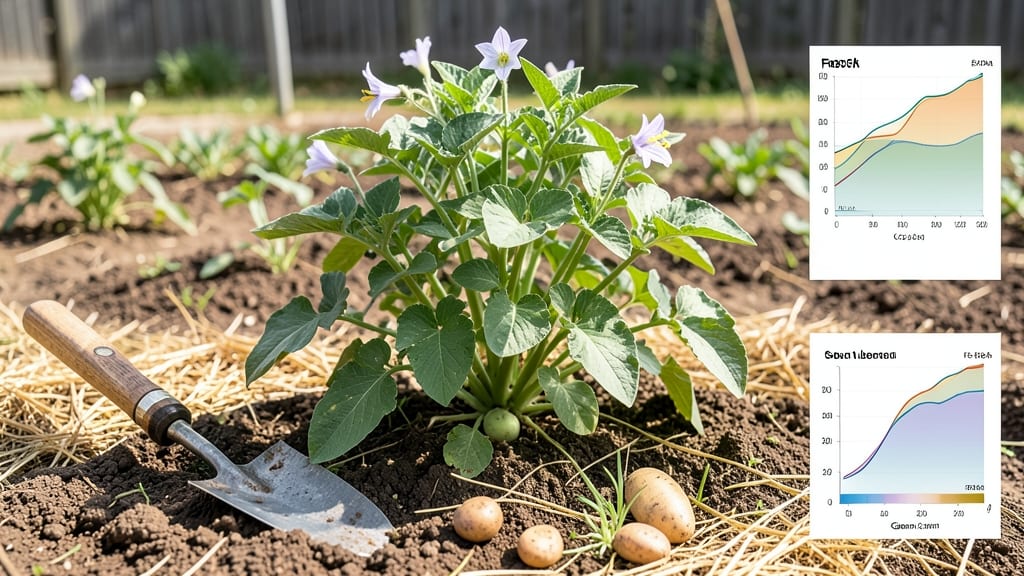
Planting potatoes in Georgia at the wrong time can mean the difference between a bumper crop and a total loss to frost or heat stress. With USDA zones 7b-8a offering two distinct planting windows, timing is everything for your 🥔 harvest.
Whether you're a first-time gardener or a seasoned grower, knowing the exact months to plant—from early February for cold-hardy varieties to April for heat-tolerant types—is the key to success. The last frost date in Georgia varies by region, and getting it wrong can leave your tubers vulnerable.
In this guide, I’ll break down the ideal planting windows, soil temperature thresholds, and regional adjustments so you can plant with confidence. You’ll also discover how to extend your growing season and choose the best varieties for Georgia’s climate.
Let’s get your potatoes in the ground at the perfect time for maximum yield and zero frost-related disappointments.
Georgia’s ideal potato planting windows: exact months by region
Georgia’s diverse climate means your potato planting schedule should match your specific region—whether you’re in the cooler North Georgia mountains or the warmer South Georgia plains. The key is planting when soil temperatures hit 45°F (7°C) and stay consistently above 50°F (10°C) for tuber formation.
Let’s break down the exact windows by region to maximize your harvest.
For North Georgia (USDA Zones 7a-7b), like Atlanta or Dahlonega, aim for late February to early March. This gives tubers time to mature before summer heat arrives.
In Central Georgia (Zone 7b-8a), including Macon or Columbus, you can start as early as mid-February for early varieties or wait until late March for later ones. Meanwhile, South Georgia (Zone 8a-8b), such as Savannah or Valdosta, offers a longer window from January through April.
Here’s the critical rule: Plant 4-6 weeks before your last frost date—typically mid-March in North Georgia and early March in South Georgia. Use these regional guidelines to align your schedule with Georgia’s frost-free dates and avoid common mistakes like frost damage or stunted growth.
If you’re growing early-maturing varieties like ‘Yukon Gold’ or ‘Red LaSoda’, you can push the window even earlier—sometimes as early as January in South Georgia. These varieties tolerate cooler soils and produce harvests in 90-100 days, perfect for beating summer heat.
For late-season varieties like ‘Russet’ or ‘Kennebec’, wait until late March or April to avoid tuber formation during Georgia’s intense summer heat.
Pro tip: Use a soil thermometer to confirm temperatures. Potatoes won’t sprout until soil reaches 50°F (10°C), so planting too early—even in warmed beds—can lead to rot or poor germination.
In North Georgia’s cooler microclimates, like Blue Ridge Mountain foothills, delay planting until after March 15th to avoid frost risks.
For fall planting, Georgia’s mild winters allow a second harvest if you plant seed potatoes in late August or early September. This works best in South Georgia (Zone 8b), where frost arrives later.
Use black plastic mulch to warm soil and extend the season by 4-6 weeks. Just remember: Fall potatoes need 120-140 days to mature, so time your planting for a late October harvest before frost.
One common mistake I see is planting based on air temperature instead of soil temperature. Air temps can drop at night while soil stays warm—always check 2-3 inches deep with a thermometer.
In Central Georgia’s clay soils, which warm slower, wait until late March even if air feels spring-like earlier.
To visualize your timeline, mark your last frost date and count backward 90-120 days for your chosen variety. For example, if your last frost is March 15th, plant early varieties by February 1st and late varieties by March 1st.
This ensures tubers mature before Georgia’s summer heat stresses the plants.
🌱
How to time potato planting for maximum yield in Georgia’s climate
Timing your potato planting isn’t just about avoiding frost—it’s about matching your variety to Georgia’s microclimates and soil conditions.
In North Georgia’s cooler zones (like USDA 7b), you can start as early as late January for cold-hardy varieties, while South Georgia’s warmer zones (up to 8a) often wait until mid-March to avoid heat stress during tuber formation.
Adjust your planting date based on soil temperature, not just air temperature. Potatoes thrive when soil reaches 45°F (7°C)—use a soil thermometer to confirm readiness. In Georgia’s red clay soils, this often means waiting until mid-February to early March for most regions, even if the air feels warm.
🚨 CRITICAL: Planting too early in Georgia’s humid climate risks fungal diseases like early blight. Look for leaf scorch or stunted growth as signs you’ve planted prematurely. If this happens, cover plants with row fabric until temperatures stabilize.
⚠️ Warning: Common Georgia Planting Mistakes
- Planting in cold, wet soil → Rot and poor tuber formation
- Ignoring elevation differences → Mountain regions (e.g., Blue Ridge) frost later than coastal areas
- Skipping soil prep → Compacted clay soils stunt growth
Use black plastic mulch to warm soil faster in cooler zones or straw mulch to retain moisture in sandy soils.
Extend your growing season by using row covers or cold frames to plant 4-6 weeks earlier than your last frost date. In South Georgia, this lets you harvest new potatoes by April—perfect for early spring meals.
For late-season varieties, plant in April and use drip irrigation to prevent heat stress during Georgia’s summer humidity.
Monitor your plants for early signs of stress: yellowing leaves or wilting by noon may mean it’s too hot. If this happens, provide afternoon shade cloth until temperatures drop. In Georgia’s high humidity, proper airflow is key—space rows 3 feet apart to prevent disease spread.
For maximum yield, aim to harvest your first crop by June and plant a second crop in July for a fall harvest. Use early-maturing varieties (like Yukon Gold) for summer plantings—they’ll tolerate Georgia’s heat better than late-season types. Always rotate your planting locations to prevent soil-borne diseases.