Plants
Best planting times for potted tulips by USDA hardiness zones
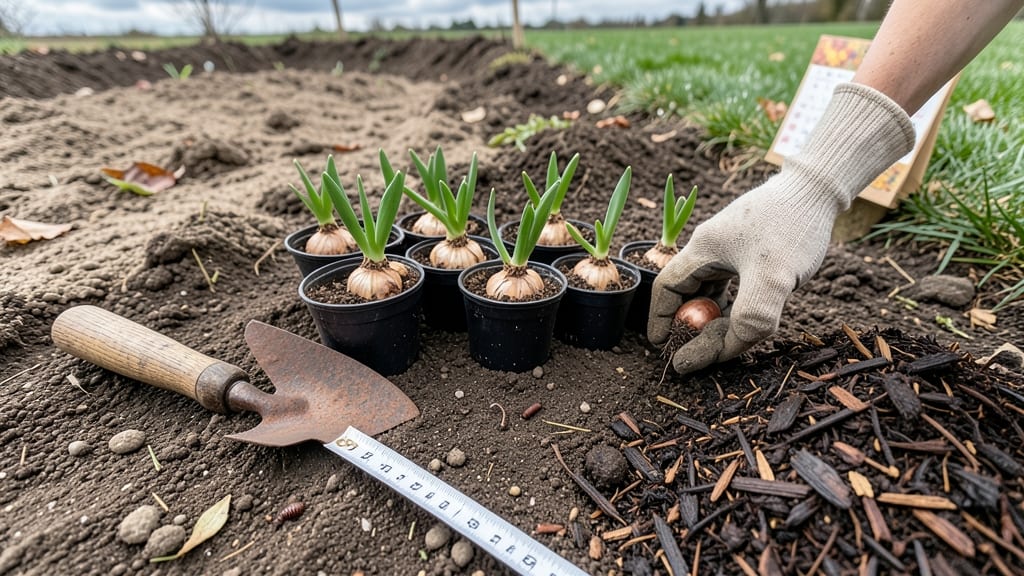
Timing is everything when planting potted tulips in your garden. Unlike annuals, tulips thrive when planted in fall or early spring, allowing their roots to establish before extreme temperatures.
The key is planting 6-8 weeks before your first hard frost—this window ensures bulbs have time to root deeply while avoiding winter dormancy stress.
Your USDA hardiness zone dictates the exact frost-free window. For example, gardeners in Zone 3 (like Minnesota) should plant by early October, while those in Zone 9 (like Southern California) can extend planting into December. Spring planting is trickier but possible in milder climates if done by late winter.
Microclimates matter too! A sheltered garden bed may stay frost-free longer than an exposed one. Check your local average last frost date (available via the USDA Plant Hardiness Map) and adjust by 2-3 weeks to account for variability.
| Zone | Fall Planting Window | Spring Planting Window | Soil Temp Threshold | Notes |
|---|---|---|---|---|
| 3-4 | September 15-October 15 | March 15-April 15 | Below 60°F | Early frost risk; use mulch |
| 5-6 | October 1-November 1 | April 1-May 1 | Below 55°F | Ideal for most tulip varieties |
| 7-8 | November 1-December 15 | February 15-March 15 | Below 65°F | Spring planting risky; prefer fall |
| 9-11 | December 1-February 15 | January 1-February 15 | Below 70°F | Spring planting preferred; avoid summer heat |
For early-blooming varieties (like 'Early Harbinger'), aim for the earliest fall window—roots need time to harden off before winter. Late bloomers (such as 'Darwin Hybrid' tulips) can tolerate slightly later planting but still need 4-6 weeks of root growth before frost.
If you missed the fall window, don’t panic! Spring planting works in Zones 7-11 if done before soil warms above 60°F. However, bulbs may bloom 2-3 weeks later than fall-planted tulips. Always choose dwarf or mid-season varieties for better success.
Pro tip: Use a soil thermometer to confirm temperatures. Tulips need consistent cool soil (below 60°F) to trigger dormancy. Planting too early in warm soil can cause premature sprouting, weakening the bulb before winter.
Regional adjustments are key! In Pacific Northwest climates, plant by mid-October to avoid wet winters. In Southwest desert zones, extend planting to early December—just water deeply to prevent drought stress.
Remember, potted tulips need well-draining soil and 6+ hours of sun once planted. Amend heavy clay with compost or sand to prevent rot. Mulch with 2-3 inches of straw after planting to insulate roots and retain moisture.
🌷
How to tell when your potted tulips are ready for transplanting
Timing is everything when transplanting potted tulips—plant too early, and they’ll struggle with soil temperature fluctuations; too late, and they may not establish roots before winter.
The key is watching for three critical signs that your tulips are ready to move outdoors: bulb dormancy, leaf growth, and soil conditions.
First, check your tulips’ bulb dormancy stage. If the leaves have fully yellowed and died back after blooming (a sign of natural dormancy), they’re ready for fall planting.
For spring planting, wait until new shoots emerge—typically 4-6 weeks before your last frost date. This ensures they won’t be shocked by sudden cold snaps.
Next, examine the root system. Gently remove the pot to inspect: roots should fill at least 2/3 of the container and appear dense. If roots circle the pot (a condition called root-bound), it’s a clear signal to transplant sooner rather than later.
Healthy roots should also feel firm but flexible, not mushy or brittle.