Companion Plants
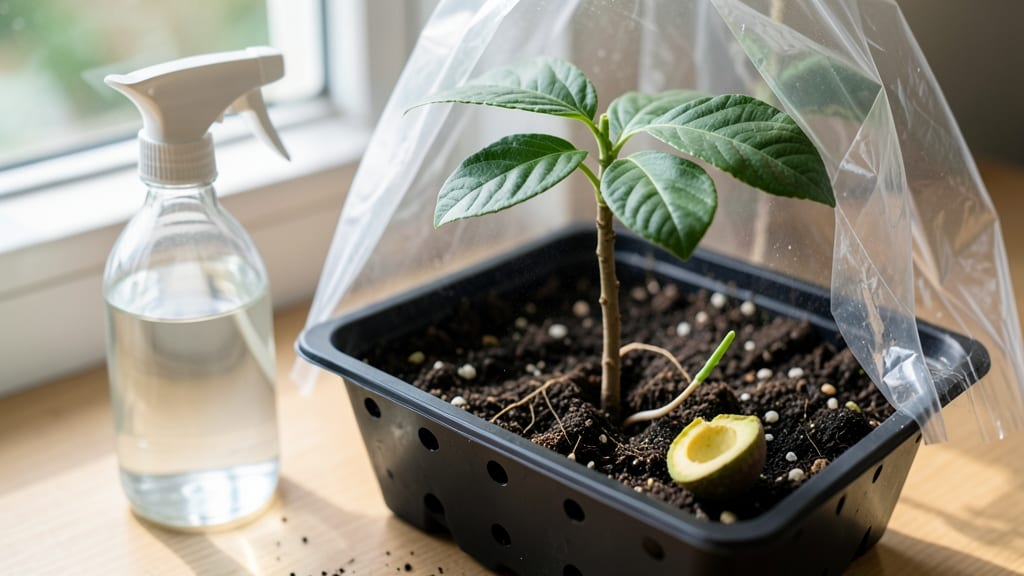
Planting your avocado seed 🥑 in soil at the wrong time can mean the difference between a thriving seedling and a sad, rotting mess—and most people get this step wrong.
The key isn’t just when you plant, but how you prepare the seed first, because rushing it (or waiting too long) stalls growth before it even starts.
You’ve probably seen those toothpick-holder setups where avocado pits sprout roots in water, but that’s just Phase 1. The real magic happens when you transfer it to soil—and timing matters more than you think.
Whether you’re growing yours indoors year-round or prepping for an outdoor transplant in Zone 6a, knowing the exact moment to make the switch is the secret to fast, healthy roots.
Here’s what most guides won’t tell you: Your seed isn’t ready for soil until its roots hit 4–6 inches and show white, fibrous tips—a sign it’s hungry for real dirt, not just water. Skip this step, and you’ll end up with a leggy, weak plant that struggles to thrive.
I’ll walk you through the exact window to plant, plus how to adjust for your climate so your 🥑 tree starts strong.
Ready to avoid the most common mistakes? Let’s break down the step-by-step timeline for planting your avocado seed in soil—so you can go from water to dirt without losing momentum. Your future tree will thank you.
Optimal time to plant avocado seed in soil for maximum germination
Avocado seeds thrive in warmth and humidity, but planting them too soon can cause rot, while waiting too long stunts growth. The key is to transition your seed from water to soil only when it’s root-developed and ready—typically after 4–8 weeks of root growth in water.
This timing ensures your seedling has the energy to adapt to soil without shock.
Most gardeners start their avocado seeds in water to encourage root development, but the soil-planting window depends on your climate. In USDA zones 9–11, you can plant directly in soil year-round, while zones 7–8 should wait until late spring (after the last frost) to avoid cold damage.
For zones 6 and below, stick to indoor planting until summer.
🌱 Pro Tip: Your avocado seed is ready for soil when roots reach 4–6 inches long with white, fibrous tips. This usually takes 6–8 weeks in water, but monitor closely—overwatering can drown the roots before they’re ready.
Here’s the golden rule for timing: Plant your avocado seed in soil when daytime temperatures consistently stay above 60°F (15°C). Below this, root growth slows dramatically, and your seedling may struggle to establish.
If you’re in a cooler zone, use a grow light or heat mat to simulate ideal conditions.
Another critical factor is humidity. Avocado seedlings love 60–80% humidity, which mimics their native tropical environment. If your home or garden is dry, use a humidity dome or pebble tray to keep moisture levels optimal during the transition.
Low humidity can cause the leaves to brown or crisp, signaling stress.
⚠️ Warning: Never rush the process by planting a seedling with underdeveloped roots. A weak root system fails to anchor the plant, leading to top-heavy stems that snap easily. Patience here pays off—wait until you see multiple secondary roots branching off the main root before planting.
| Stage | Key Indicator | Action | Best Timeframe |
|---|---|---|---|
| Root Development | Roots 2–4 inches long | Keep in water; add fresh water weekly | Weeks 1–4 |
| Advanced Roots | Roots 4–6 inches with white tips | Prepare soil mix; inspect roots daily | Weeks 5–8 |
| Soil Planting | Sturdy stem + glossy leaves | Plant in well-draining soil; keep humid | After roots reach 6 inches |
| Outdoor Transition | Stable 60°F+ temps | Acclimate to sunlight gradually | Late spring (after frost) |
For those in tropical climates (zones 9–11), you can plant avocado seeds directly in soil year-round, but the best months are March through May when rainfall increases naturally. In temperate zones (7–8), aim for April to June to avoid early-season chills.
If you’re in a cooler zone (6 or below), start seeds indoors in February or March and transition outdoors only after the last frost date.
One common mistake is assuming that bigger roots mean readiness. While length matters, focus on root health and density. Healthy roots should be white or pale yellow, not brown or mushy.
If roots smell foul or feel slimy, your seed has rotted—start over with a fresh pit. Always use sterilized water (chlorine-free) to prevent bacterial growth during the rooting phase.
Finally, consider your light conditions. Avocado seedlings need bright, indirect light to thrive after planting. If you’re transitioning from indoor water culture to outdoor soil, harden off your seedling by placing it in dappled shade for 1–2 weeks before full sun exposure.
Sudden sunlight can scorch delicate leaves, setting back growth.
By following these timing cues and care tips, your avocado seedling will establish strong roots in soil and grow into a healthy tree—ready for the next stages of cultivation. The secret? Patience and preparation pay off with faster, stronger growth. 🌿
Optimal time to plant avocado seed in soil for maximum germination
Avocado seeds thrive when planted at the right stage—not immediately after harvest, but after developing a strong root system in water. The ideal time is when roots reach 4–6 inches long with white tips, signaling readiness for soil.
This typically takes 8–12 weeks in warm conditions (70–80°F) or longer in cooler climates.
For indoor planting (year-round option), aim to transition your seedling to soil before it outgrows its water container or develops mushy, black roots—a sign of rot.
Outdoor planting, however, depends on your USDA zone: Wait until after the last frost date (usually late spring) and when soil temps stay above 60°F for consistent growth.
| Stage | Action | Timeframe |
|---|---|---|
| Root Development | Keep in water with 1/3 pit submerged | 8–12 weeks |
| Soil Readiness | Transplant when roots hit 4–6" | Indoor: Year-round Outdoor: Post-last frost |
| Outdoor Hardening | Acclimate to sun/outdoor temps | 2–4 weeks before transplant |
Missed the window? No problem—avocado seedlings are forgiving. If your seedling stalls in water (roots brown or growth halts), rinse the pit and restart the process. For tropical zones (USDA 10–11), plant outdoors year-round, but protect young seedlings from direct midday sun with shade cloth until established.
In temperate zones (USDA 7–9), align planting with soil warmth: Use a soil thermometer to confirm temps above 60°F before transplanting. Cold soil slows root growth and increases rot risk.
For Zone 6 or colder, grow indoors near a south-facing window or under grow lights until spring.
Pro tip: Test soil readiness by pressing your finger 1 inch deep—if dry, it’s time to water. Overwatering at this stage causes root suffocation, while underwatering stunts growth. Aim for moist but not soggy soil to mimic the seedling’s water-based early life.
Timing isn’t just about months—it’s about seedling maturity. A 6-inch root system with new leaves means your avocado is ready for soil, whether you’re planting in a pot or garden bed.
Rush it, and you risk transplant shock; wait too long, and the seedling may become root-bound or leggy.