
Plants
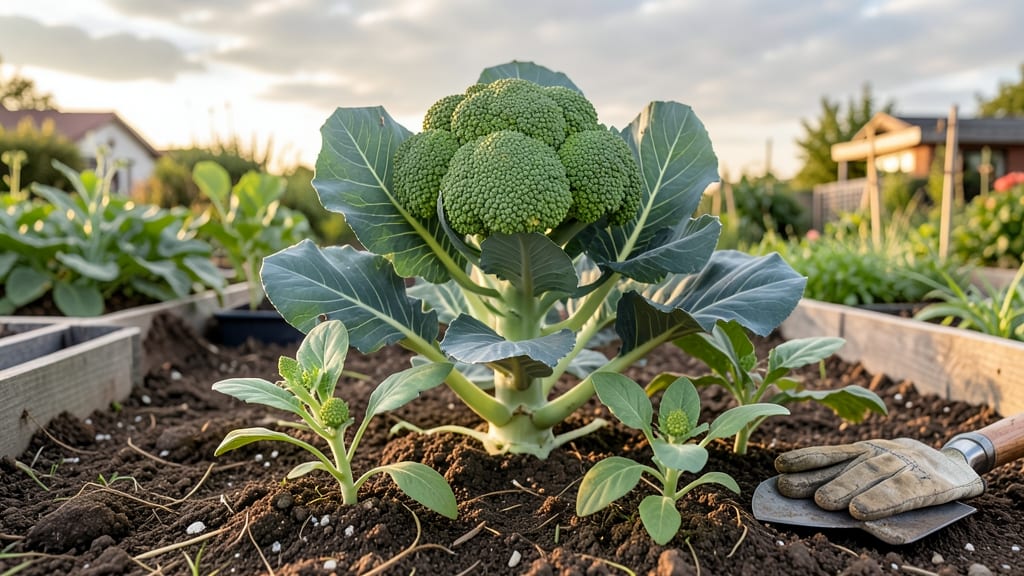
If you've ever planted broccoli in Texas only to watch it bolt into bitter, flowery disappointment, you're not alone. The key to zero-bolt, high-yield harvests lies in timing—specifically, knowing when to plant 🥦 for your exact region.
Texas's varied climate means what works in North Texas (Zone 8a) fails in South Texas (Zone 10b), and getting this wrong can ruin your entire season.
Most gardeners assume "fall" means one planting window, but the truth is more nuanced. In Texas, your best bets are September-October for fall crops and February-March for spring, with adjustments based on your last frost date.
Plant too early, and heat stress triggers bolting; too late, and you miss the sweet spot for harvest before winter chills set in.
What if you could extend your harvest window by weeks—or even months? The secret isn't just about dates but also protecting your plants from Texas's unpredictable swings. I'll show you how to time your plantings, shield them from heat, and avoid common mistakes that turn promising starts into wasted efforts.
Ready to grow broccoli that thrives from fall through spring? Let's dive into the exact planting schedule, regional tweaks, and pro tips that will transform your Texas garden into a zero-bolt, flavor-packed success.
Texas broccoli planting calendar: fall vs spring timing for zero-bolt growth
Texas gardeners face a unique challenge with broccoli—its love for cool weather clashes with our hot summers. The key to avoiding bitter bolting (when broccoli flowers prematurely) lies in precise planting timing that aligns with your USDA zone and last/first frost dates.
In most of Texas (zones 8a-10b), this means two prime windows: late summer/fall and late winter/spring.
North Texas (zones 8a-8b) has earlier frosts, while South Texas (zones 9a-10b) can push broccoli later. For example, Dallas typically gets its first frost around December 1, while Houston might see frost as late as November 15.
These differences mean your planting schedule should shift 2-4 weeks depending on location.
Timing is everything: Plant broccoli 4-6 weeks before your first frost for a fall harvest, or 2-3 weeks after your last frost for spring. Miss these windows, and you’ll risk small heads or bolting before maturity.
Let’s break down the exact months for each Texas region to ensure you’re planting at the optimal soil temperature of 45-85°F.
| Region | Fall Planting Window | Spring Planting Window | First Frost Date | Last Frost Date |
|---|---|---|---|---|
| North Texas (Dallas, Fort Worth) | August 15 - September 15 | February 15 - March 15 | December 1 | February 15 |
| Central Texas (Austin, San Antonio) | August 1 - September 10 | February 20 - March 10 | November 20 | February 20 |
| South Texas (Houston, Corpus Christi) | July 15 - August 30 | March 1 - March 31 | November 15 | March 1 |
| West Texas (El Paso, Lubbock) | August 1 - September 10 | March 1 - April 1 | November 1 | March 15 |
🌱 Pro Tip: Use a soil thermometer to confirm 50-60°F soil temps before planting—cool soil prevents bolting.
For fall planting, aim to transplant seedlings when daytime highs are 75-80°F but dropping toward 60°F at night. This cools the soil just enough to slow bolting. In North Texas, this means starting seeds indoors in July or buying transplants by mid-August.
South Texas gardeners can push it later—even late August—thanks to milder nights.
Spring planting requires patience. Wait until soil temperatures rise above 45°F (use a soil thermometer to check) and nighttime lows stay above 50°F. In Central Texas, this usually aligns with mid-February, while West Texas can start as early as late January.
Planting too early in spring risks heat stress, causing broccoli to bolt before forming heads.
Bolting is your worst enemy in Texas heat. To prevent it, choose shade-tolerant varieties like 'De Cicco' or 'Waltham 29', and provide afternoon shade with floating row covers or shade cloth during summer months.
Even a 30% shade cloth can drop soil temps by 10°F, buying you extra time for fall harvests.
Don’t forget about succession planting! In Texas, you can squeeze in two harvests per year by staggering plantings every 2-3 weeks during your optimal window. For example, in North Texas, plant one batch in mid-August and another in early September for a fall-to-winter harvest.
This ensures a steady supply of fresh broccoli heads instead of one overwhelming harvest.
If you’re new to broccoli in
How to extend your Texas broccoli season: succession planting and cold protection
Texas’s extreme heat and unpredictable freezes make growing broccoli year-round a challenge—but with the right strategies, you can enjoy fresh heads from fall through spring. The trick? Succession planting and seasonal protection to shield your plants from Texas’s wild temperature swings.
By staggering plantings and using simple tools like row covers or shade cloth, you can extend your harvest window by 3-4 months compared to a single planting.
Most Texas gardeners focus on fall and spring plantings, but the real secret to a continuous harvest lies in weekly succession plantings during your optimal window.
For example, in North Texas, start with your first batch in mid-August, then add new seedlings every 2-3 weeks until early October. This ensures a steady supply of broccoli heads maturing at different times, rather than all at once.
In South Texas, where winters are milder, you can even squeeze in a third harvest by planting in late November for a January-February crop.
🌱 Key Insight: Broccoli grows best when daytime temps stay below 75°F and nights dip below 60°F. In Texas, this means protecting your plants from heat stress in summer and freeze damage in winter.
Use 30-50% shade cloth during peak summer months to drop soil temps by 10-15°F, and wrap rows with floating row covers when nighttime temps threaten to drop below 32°F. These simple tools can save your entire crop from bolting or freezing.
- 1 Succession Planting Schedule: Plant broccoli every 2-3 weeks during your region’s optimal window. Example for North Texas: August 15, September 1, September 15.
- 2 Shade Cloth for Summer: Use 30-50% shade cloth to block afternoon sun and keep soil temps below 80°F. Secure it 3-4 feet above plants to allow airflow.
- 3 Row Covers for Winter: Lay floating row covers over plants when nighttime temps drop below 40°F. Remove during the day to allow pollination for side shoots.
- 4 Cold Frames for Early Spring: Use low tunnels or cold frames to start seedlings 4-6 weeks earlier in spring. These can add 2-3 weeks to your growing season.
- 5 Companion Plants for Pest Control: Interplant broccoli with dill, celery, or onions to deter cabbage worms and aphids. Avoid planting near tomatoes or strawberries, which compete for nutrients.
Don’t overlook the power of companion planting to boost your broccoli’s resilience. Pairing broccoli with dill, celery, or onions creates a natural pest barrier, while marigolds planted nearby deter nematodes. Avoid planting near tomatoes or strawberries, as they compete for the same nutrients and can stunt broccoli growth.
For added protection, interplant with bush beans, which fix nitrogen in the soil—broccoli is a heavy feeder and benefits from this boost.
Watering plays a critical role in extending your season. Broccoli needs 1-2 inches of water per week, but in Texas’s heat, you may need to water daily during summer months.
Use drip irrigation or soaker hoses to deliver water directly to the roots, reducing evaporation and keeping foliage dry (which prevents fungal diseases like downy mildew). Always water in the early morning to give plants time to dry before nightfall.
With these strategies, you can turn your Texas garden into a year-round broccoli powerhouse. Start with succession plantings in fall, shield your plants from heat and cold, and pair them with protective companions.
Before you know it, you’ll be harvesting fresh, crisp broccoli heads from October through May—no bolting, no stress, just zero-bolt success. 🌿