Plants
Planting bulbs in Colorado at the wrong time can mean the difference between a showstopping spring garden and a sad, frozen disappointment.
If you've ever wondered why some gardens burst with color while others struggle, the answer often lies in timing—especially in Colorado's 5-7 USDA zones, where frost dates shift dramatically between Denver, Colorado Springs, and mountain regions.
I've spent years perfecting the science behind it, and here's the key: fall planting (October-November) and early spring (March-April) are your golden windows for bulbs like tulips, daffodils, and hyacinths to thrive. The secret? Understanding your local frost dates and soil temperatures.
Let me walk you through exactly when to plant in your specific zone, plus pro tips to ensure your 🌷 bulbs come back bigger and brighter every year—no guesswork required.
Colorado planting zones & frost dates: when to plant bulbs by month
Colorado’s diverse USDA zones (3-7) and microclimates create unique challenges for bulb planting. Whether you’re in Denver’s Zone 5b, Colorado Springs’ Zone 5a, or Boulder’s Zone 6a, timing is everything.
The first frost typically arrives in mid-October, while the last frost lingers until mid-May—but these dates shift with elevation. High-altitude gardens (like those in Fort Collins) may experience frost weeks earlier than Front Range valleys.
Most fall-planted bulbs (like tulips and daffodils) need 6-8 weeks before the ground freezes to establish roots. In Colorado, that means planting between late September and November.
Spring-planted bulbs (such as crocuses and hyacinths) go in as soon as the soil is workable—usually March or early April. Missing these windows can leave your bulbs vulnerable to freeze-thaw cycles or drought stress.
Here’s how to align your planting with Colorado’s frost dates and zones for foolproof success:
| Region | USDA Zone | First Frost | Last Frost | Fall Planting Window | Spring Planting Window |
|---|---|---|---|---|---|
| Denver/Boulder | 5b-6a | Mid-October | Mid-May | Late Sept–Nov 15 | March–April 15 |
| Colorado Springs | 5a-5b | Early October | Early May | Late Sept–Oct 31 | Late Feb–March 31 |
| Fort Collins | 4b-5a | Late Sept | Late April | Aug 15–Oct 15 | Early March–April 15 |
| Grand Junction | 6b-7a | Late Oct | Mid-May | Oct 1–Nov 15 | March–April 30 |
For high-altitude gardens (above 7,000 feet), like those in Aspen or Telluride, plant bulbs 2-3 weeks earlier than the Front Range. The thinner air and colder soils speed up frost arrival.
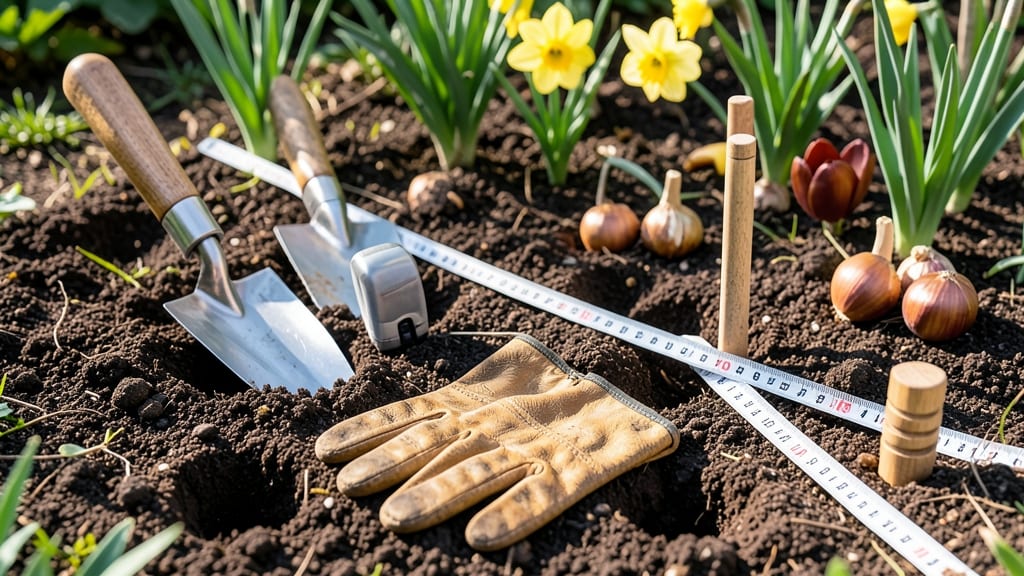
Use a soil thermometer to confirm the ground is below 60°F before planting—this signals it’s time for fall bulbs like alliums or snowdrops.
Spring planting is trickier in Colorado due to unpredictable late frosts. Wait until the soil temperature consistently stays above 40°F (use a moisture meter for accuracy). In Zone 5a, this often means waiting until mid-April.
For tender bulbs (like dahlias or cannas), hold off until after the last frost date—typically May 15 in Denver.
Pro tip: Layer mulch (straw or shredded leaves) over planted bulbs in late fall to insulate them from temperature swings. This is especially critical in Zone 4b areas, where winters can be harsh. Just
Colorado’s dry climate also demands attention. After planting, water deeply (1 inch per week) until the ground freezes. In spring
Top 5 bulbs for Colorado gardens: best varieties by bloom season
Colorado’s cold winters and short growing seasons demand bulbs that thrive in harsh conditions. My top picks deliver stunning blooms while surviving sub-zero temperatures and dry spells. Start with these five cold-hardy varieties for year-round color.
First up: Daffodils (Narcissus)—the queens of Colorado gardens. These frost-resistant champions bloom early (March–April) and tolerate wet, heavy soils. Varieties like 'Tête-à-Tête' (dwarf) or 'Ice Follies' (white) add height diversity. Their toxic sap deters deer, making them a low-maintenance winner.
Next, Crocuses (Crocus)—tiny but mighty. These early spring bloomers (February–March) push through snow for purple, yellow, or white cheers. Plant 'Tommasinianus' (blue) or 'Snow Bunting' (white) in full sun to partial shade. Their shallow roots make them perfect for rock gardens or lawn edges.
- 🌼 Daffodils (Narcissus) | March–April | Deer-resistant, wet-soil tolerant
- 💜 Crocuses (Crocus) | February–March | Snow-pushers, dwarf varieties
- 🌺 Tulips (Tulipa) | April–May | Bright colors, needs staking
- 🧡 Alliums (Allium) | May–June | Drought-tolerant, pollinator magnet
- 🌸 Lilies (Lilium) | June–July | Late-season drama, deer-proof
Tulips (Tulipa) bring vibrant spring color (April–May) but need extra care in Colorado’s clay soils. Opt for 'Darwin Hybrid' varieties like 'Apeldoorn' (red) for stronger stems. Plant in well-draining soil and stake taller varieties to prevent wind damage.
For summer interest, Alliums (Ornamental Onions) shine in May–June. Their globular purple blooms attract pollinators and thrive in dry, poor soil. Try 'Purple Sensation' (24-inch spheres) or 'Gladiator' (giant blooms). These low-water bulbs are perfect for xeriscaping.
Finally, Lilies (Lilium) deliver late-season drama (June–July) with fragrant blooms. 'Stargazer' (pink/orange) or 'Casa Blanca' (white) thrive in partial shade and moist soil. Their toxic foliage deters deer, and they rebloom yearly with minimal care.