
Plants
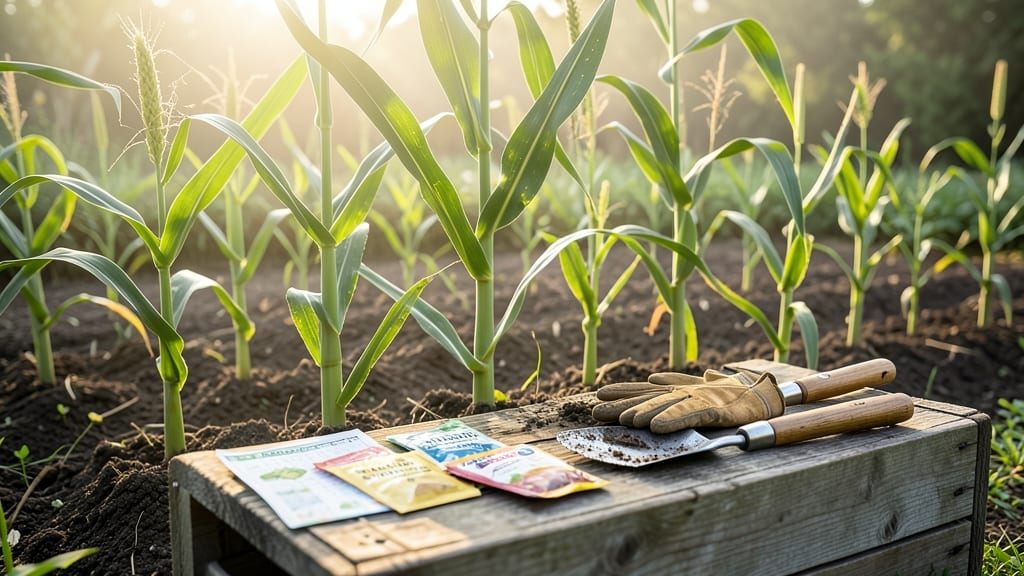
Planting 🌽 corn in Oklahoma at the wrong time can mean the difference between a bumper crop and a disappointing garden. With the state’s USDA zones 6b-7a and unpredictable spring weather, timing is everything—get it right, and you’ll enjoy sweet, plump ears all summer.
Most Oklahoma gardeners know the general rule: mid-April to early June is prime time, but soil temperature and frost dates complicate things. Plant too early, and cold soil can stall germination; too late, and you risk drought stress before harvest.
The key is waiting until the ground warms to at least 60°F and the last frost has passed.
In northern Oklahoma, where frosts linger longer, you might push planting to early May. Southern regions can start as early as late March, but always check local frost-free averages. Whether you’re in Tulsa or Oklahoma City, adjusting for your microclimate makes all the difference.
Ready to grow 🌽 corn like a pro? I’ll break down the exact planting windows, soil prep tips, and how to avoid common mistakes—so you can enjoy a harvest from late July through October without the guesswork.
Oklahoma corn planting calendar: best months & soil temperature guidelines
Timing your corn planting in Oklahoma isn't just about the calendar—it's about soil temperatures and frost-free windows. Corn seeds need warm soil to germinate, and Oklahoma's USDA Zones 6b-7a create regional variations.
Plant too early, and a late frost will kill tender seedlings; too late, and your harvest may suffer from summer heat stress.
For most of Oklahoma, the ideal planting window falls between mid-April and early June, but this shifts based on your location.
Northern Oklahoma (like Oklahoma City) typically waits until late April, while southern regions (like Tulsa or Lawton) can start as early as mid-March in protected microclimates.
Here’s the critical rule: Wait until soil temperatures consistently reach 60°F—this ensures strong germination. Use a soil thermometer to check, as surface temps can mislead you. Corn planted in 50°F soil may sprout but will struggle to establish roots, leading to weak plants.
Oklahoma’s average last frost dates vary:
- Northern OK: Around April 15
- Central OK: Around March 30
- Southern OK: Around March 15
Now, let’s break down the best planting months and soil conditions by region—so you can align your schedule with Oklahoma’s unpredictable weather patterns.
If you’re in a high-elevation area (like the Ozark Mountains), delay planting until mid-May—cooler nights and shorter growing seasons demand patience. Conversely, urban heat islands (like downtown Oklahoma City) can warm soil faster, so monitor temps closely.
Pro tip: Plant in blocks (not rows) for better pollination—corn is wind-pollinated, and isolated plants may produce fewer ears. Space seeds 1 inch deep and 4-6 inches apart, then thin to 12 inches apart once seedlings are 6 inches tall.
For late-season planting (June or early July), opt for short-season varieties (50-60 days to maturity) to avoid Oklahoma’s early fall frosts, which can hit as soon as mid-October in northern regions. Varieties like 'Silver Queen' or 'Peaches and Cream' are reliable choices.
Remember: Soil temperature matters more than air temperature. Even if daytime highs feel spring-like, cold nights can keep soil chilly. A black plastic mulch can warm soil by 5-10°F, giving you an earlier start in cooler areas.
Finally, keep an eye on weather forecasts in the days leading up to planting. If a cold snap is predicted, delay until conditions stabilize. With the right timing, you’ll be feasting on homegrown corn by late summer—worth the wait! 🌽
How to adjust corn planting dates for Oklahoma’s microclimates
Oklahoma’s diverse geography—from the panhandle’s dry plains to the Ozark Mountains’ cooler highlands—means your corn planting dates should vary by location. While most gardeners aim for mid-April to early June, elevation and wind exposure can shift your ideal window by 2-4 weeks.
For example, Tulsa’s lower elevation (USDA Zone 7a) often allows earlier planting than Alva’s panhandle region (Zone 7b), where late frosts linger.
To fine-tune your schedule, check your local USDA Plant Hardiness Zone and historical frost data. Use the National Weather Service’s frost probability tool to pinpoint your true last frost date, which can differ by 10+ days from the statewide average.
For instance, Oklahoma City typically sees its last frost around April 15, but Miami’s higher elevation may wait until May 1.
Another critical factor is soil temperature. Corn seeds need soil to warm to 60°F (15°C) for reliable germination. In northern Oklahoma, this often happens by late April, while southern regions may reach it as early as mid-March.
Use a soil thermometer to confirm—planting too soon in cold soil leads to blackened, rotting seeds.
Key Adjustments for Oklahoma’s Microclimates
- 📍 Northern OK (e.g., Woodward): Wait until May 1—late frosts are common.
- 📍 Central OK (e.g., Oklahoma City): Plant April 15–May 1 for balance.
- 📍 Southern OK (e.g., Lawton): Start by mid-April; soil warms faster.
- 🏔️ Mountainous Areas (e.g., Tahlequah): Delay until late April—cooler nights slow growth.
- 💨 Windy Plains (e.g., panhandle): Use windbreaks or plant 1–2 weeks later to avoid seed desiccation.
For gardeners in high-wind areas like the panhandle, consider using row covers or planting near windbreaks (e.g., tall grasses or shrubs). Wind can dry out seeds before germination, so delay planting by 1–2 weeks if your area is prone to gusts.
Alternatively, opt for early-maturing varieties (e.g., ‘Silver Queen’, which matures in 70–80 days) to hedge against late-season drought.
If you’re in a microclimate with cooler nights (e.g., valleys or shaded areas), extend your season by choosing shorter varieties like ‘Bodacious’ (5–7 feet tall) or using black plastic mulch to warm the soil.
This can push your planting window 10–14 days earlier by raising soil temperatures by 5–10°F. Just ensure you remove the mulch before pollination to avoid heat stress.
Finally, keep an eye on rainfall forecasts. Oklahoma’s spring droughts can turn your garden into dust if planted too early. If your area is forecasted for dry conditions, prioritize drought-tolerant varieties like ‘Peaches and Cream’ and plant closer to late May for better moisture retention.
With these adjustments, you’ll maximize your corn’s yield and sweetness—no matter where in Oklahoma you garden.