
Plants
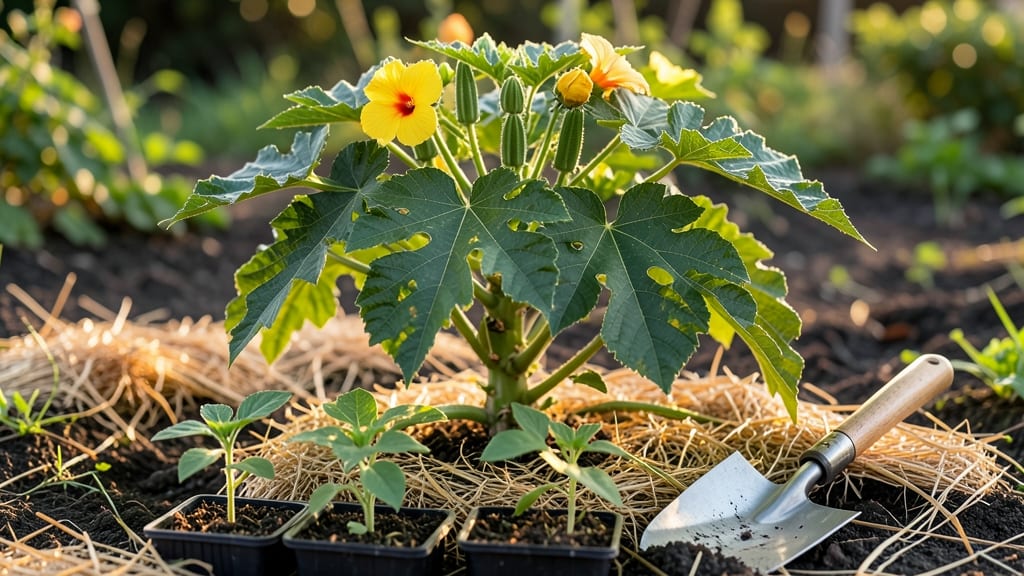
If you're dreaming of a garden bursting with crisp, homegrown okra 🌱, timing your planting is the single most important factor—especially in Oklahoma's unpredictable climate. Planting too early means risking frost damage, while waiting too long could leave you with a short harvest window before fall's chill sets in.
Oklahoma's USDA zones 6b-7a offer a perfect growing season for okra, but knowing the exact window makes all the difference. The ideal time to plant is between mid-April and early June, once soil temperatures consistently reach 60°F and all frost danger has passed.
This heat-loving vegetable thrives in Oklahoma's long summers, but getting the timing right ensures you'll enjoy fresh pods from July through October.
I'll walk you through the exact planting schedule tailored to Oklahoma's microclimates, whether you're in the cooler northern regions or the warmer southern areas. You'll also discover how to extend your harvest by choosing the right varieties and using simple techniques to protect your plants from Oklahoma's occasional late frosts.
Ready to grow okra that's tender, abundant, and perfectly timed? Let's dive into the secrets of planting okra in Oklahoma so you can enjoy this versatile vegetable at its best all season long.
Best planting windows for okra in Oklahoma’s climate zones
Oklahoma’s diverse climate—from the cooler northern regions to the scorching southern plains—means okra planting times can vary by 100 miles or more. In USDA Zones 6b-7a, your best window is mid-April to early June, but exact timing depends on your location.
Northern Oklahoma (like Oklahoma City) has a later last frost date (April 15), while southern areas (like Tulsa or Lawton) can plant as early as mid-March if soil is warm enough.
Okra thrives in 75°F+ soil temperatures for germination, so rushing planting in cold soil leads to poor sprouting. Use a soil thermometer to confirm readiness—wait until readings hit 60°F+ consistently. This heat-loving plant also needs 6-8+ hours of sunlight daily, making Oklahoma’s summer sun ideal once established.
🌱
| Region | Last Frost Date | Best Planting Window | Soil Temp Check | Harvest Window |
|---|---|---|---|---|
| Northern OK (Oklahoma City, Tulsa) | April 15 | Late April - Early May | 60°F+ soil | July - September |
| Central OK (Stillwater, Norman) | April 1 | Mid-April - Late April | 60°F+ soil | June - October |
| Southern OK (Lawton, Altus) | March 15 | Mid-March - Early April | 65°F+ soil | May - November |
For extended harvests, consider succession planting every 2-3 weeks after your initial window. This ensures a steady supply of pods from July through October, even as summer heat peaks.
Southern Oklahoma gardeners can sometimes push planting into early June for a late-summer crop, but avoid sowing after July 1—okra needs 60-90 days to mature before fall frosts arrive.
If you’re in a cooler microclimate (like mountainous areas), opt for heat-tolerant varieties like ‘Clemson Spineless’ or ‘Emerald’. These handle Oklahoma’s 90°F+ afternoons better than traditional types. Always plant seeds ½ inch deep and 1 inch apart in rows 2-3 feet apart to allow for sprawling growth.
Pro tip: Use black plastic mulch to warm soil faster in early spring plantings. This raises soil temps by 5-10°F, giving okra seeds the jumpstart they need in Zone 6b areas. Just remove the mulch once plants are established to prevent overheating.
🌡️
Oklahoma State University Extension recommends waiting until after May 1 in northern regions if you’re unsure about frost dates. Check the National Weather Service’s 30-day forecast for your area—consistent 70°F+ nights signal it’s safe to plant.
For extra security, use row covers for the first 2 weeks if late frosts are forecasted.
Remember: Okra is a tropical annual in Oklahoma, meaning it won’t survive winter. But with the right timing, you’ll enjoy pods year-round—just plant new seeds each spring. The key is patience: rushing leads to stunted plants, while waiting ensures a bountiful, heat-resistant harvest.
☀️
Signs your okra is ready to plant (and how to extend the growing season)
Okra thrives when planted in warm soil—at least 60°F (15°C)—and after all frost risk has passed. In Oklahoma, this typically means waiting until mid-April to early June, but don’t rush! Cold soil can delay germination for weeks, leaving your plants vulnerable to late frosts.
A simple soil thermometer check (or pressing your hand into the ground—if it’s too cold for your comfort, it’s too cold for okra) is your best friend here.
For gardeners eager to jumpstart their harvest, indoor seed starting is a game-changer. Begin sowing seeds 4-6 weeks before your last frost date (around mid-March in most of Oklahoma) in biodegradable pots.
Transplant seedlings outdoors once soil warms up—this gives your okra a 2-3 week head start on the growing season. Varieties like ‘Clemson Spineless’ and ‘Emerald’ are excellent choices for Oklahoma’s short but intense summers.
🌱 5 Key Signs Your Okra Is Ready to Plant
- 🌡️ Soil temperature consistently hits 60°F+ (15°C+) at 2-inch depth.
- 🌱 Last frost date has passed (check USDA Zone 6b-7a maps for your area).
- ☀️ Daytime highs regularly exceed 75°F (24°C)—okra loves heat!
- 💧 Rainfall or irrigation has moistened the soil to a depth of 1-2 inches.
- 🌿 Seedlings (if started indoors) have 2-3 true leaves and sturdy stems.
To extend your okra’s growing season and squeeze out every last pod before fall, focus on mulching and succession planting. Spread a 3-inch layer of straw or black plastic mulch around plants to retain soil heat and moisture—this can push your harvest 2-3 weeks later than unmulched beds.
For a continuous supply, sow new seeds every 2-3 weeks from mid-May through June, spacing them 12-18 inches apart in rows 3 feet wide.
Oklahoma’s late-summer heat can be brutal, but okra handles it better than most veggies. If temps soar above 95°F (35°C), provide afternoon shade cloth to prevent stress. However, avoid overwatering—okra is drought-tolerant once established.
Water deeply 2-3 times per week (or when the top inch of soil feels dry) to encourage deep root growth. A drip irrigation system is ideal for delivering moisture right to the roots without wetting the leaves, which reduces disease risk.
One often-overlooked trick? Plant okra near nitrogen-fixing crops like beans or peas. These plants improve soil fertility naturally, giving your okra a nutrient boost without extra fertilizer. Pairing okra with basil or marigolds can also deter pests like aphids and stink bugs, which love to feast on tender okra pods.
With these strategies, you’ll enjoy a longer harvest window and fewer garden headaches.
Don’t let Oklahoma’s short growing season limit your okra dreams. By paying attention to soil warmth, planting dates, and season-extending tricks, you can turn your garden into a pod-producing powerhouse—from July through October. Happy planting! 🌱