
Plants
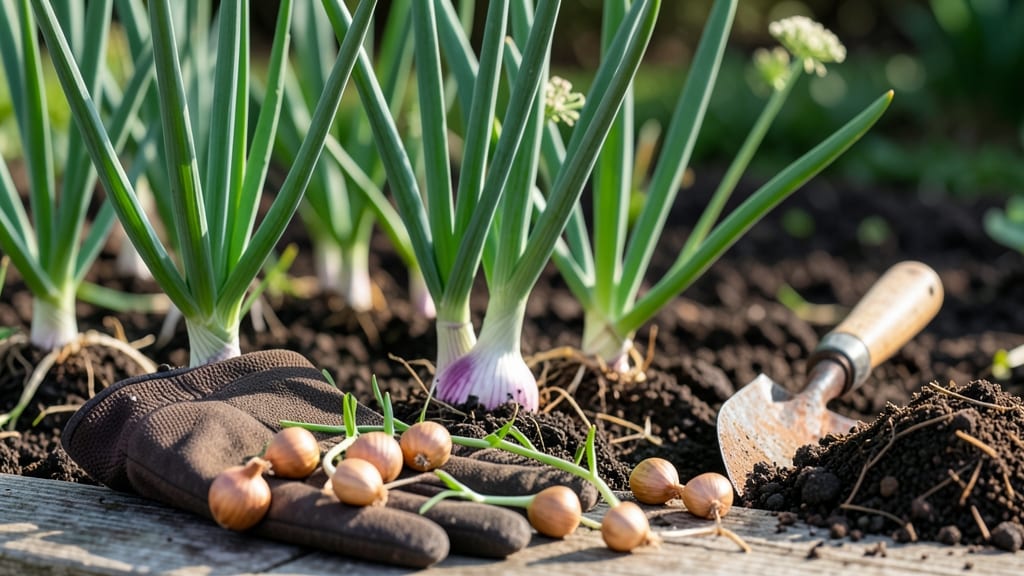
If you’ve ever planted onions in North Carolina only to watch them bolt into bitter flowers instead of sweet bulbs, you’re not alone. The key to success isn’t just picking the right variety—it’s timing your 🧅 onions perfectly for the Tar Heel state’s unique climate.
North Carolina’s 6b-8a zones demand precise planting windows to avoid bolting, whether you’re growing from sets, seeds, or transplants. Spring planting in March-April or fall planting in August-September can make all the difference between a thriving harvest and wasted effort.
But here’s the catch: short-day onion varieties (like ‘Candy’ or ‘Texas Early White’) perform best in NC’s heat, while long-day types struggle. I’ll break down the exact months to plant, soil prep tips, and microclimate tweaks to ensure your onions stay sweet and bolt-free.
Ready to master the timing? Let’s dive into the spring vs. fall planting strategies that work best for your North Carolina garden—no bitter surprises included.
North Carolina onion planting calendar: exact months for spring and fall success
North Carolina's USDA zones 6b-8a create a unique growing window for onions—one that rewards precise timing. Plant too early, and you risk premature bolting from heat; too late, and frost stunts growth.
The key? Aligning your planting with temperature thresholds and regional microclimates, from the Piedmont's cooler valleys to the Coastal Plain's milder winters.
For spring-planted onions, aim to sow sets or seeds 4-6 weeks before your last frost date—typically mid-February to early March in most of NC. Coastal areas can start slightly earlier (late Januarymid-March.
This timing ensures onions establish roots before soil warms to 55°F+, triggering rapid growth without bolting.
Fall planting offers a second chance for NC gardeners, with transplants or sets going in late August to early September. This gives bulbs time to mature before the first frost (Nov 15), typically yielding harvests in October-November.
The goal is to plant when soil temps drop below 80°F but remain above 40°F—ideal for bulb development.
Here’s the critical planting calendar for North Carolina, adapted for the state’s short-day onion varieties (like ‘Candy’ or ‘Texas Early White’), which thrive in NC’s climate:
| Stage | Action | Notes |
|---|---|---|
| Spring Planting | Sets/Seeds: Feb 15–Mar 15 | Soil temp: 50–60°F. Use short-day varieties. |
| Fall Planting | Transplants/Sets: Aug 15–Sep 15 | Soil temp: 60–75°F. Avoid late plantings. |
| Harvest Window | Spring: June–July; Fall: Oct–Nov | Harvest before tops yellow fully for best flavor. |
| Critical Thresholds | Last Frost: Mar 15; First Frost: Nov 15 | Adjust ±1 week for Piedmont vs. Coastal areas. |
North Carolina’s Coastal Plain (zones 7b–8a) enjoys a 2–3 week earlier planting window than the Piedmont or Mountains. For example, Wilmington gardeners can plant spring sets in late January, while Asheville may wait until mid-March. Always check your local NC State Extension frost dates to fine-tune timing.
Short-day onion varieties are non-negotiable for NC success. Long-day varieties (like ‘Yellow Sweet Spanish’) will bolt prematurely in NC’s heat. Stick to short-day types like ‘Candy’, ‘Texas Early White’, or ‘Red Creole’—these mature in 90–120 days without bolting.
For green onions, you can plant them later (even May–June) since they’re harvested before bulbing.
Soil preparation is just as critical as timing. Onions thrive in well-draining, slightly acidic soil (pH 6.0–7.0). Work in 2–3 inches of compost before planting, and avoid fresh manure, which can cause bolt-inducing nitrogen spikes.
In NC’s humid climate, add 1 inch of mulch (straw or shredded leaves) to retain moisture and suppress weeds.
Pro tip: If you’re planting in late spring (May), use shade cloth (30–50%) to protect seedlings from intense sun and heat stress. This buys you 2–3 extra weeks before bolting sets in. Pair this with evening watering to keep soil cool and moist.
Finally, remember that onset of daylength (not just temperature) triggers bolting. NC’s long summer days (14+ hours) can fool onions into flowering early. By planting in spring or fall, you align growth with shorter daylight periods, reducing bolt risk.
With this timing, you’ll enjoy sweet, pungent-free onions straight from your NC garden.
Spring vs. fall onion planting: which method works best in NC’s climate?
Choosing between spring and fall planting for onions in North Carolina depends on your goals, climate zone, and how you handle soil prep and pest pressure. Both methods yield sweet onions, but they require different strategies to succeed in NC’s humid summers and mild winters.
Let’s compare the two approaches so you can pick the best fit for your garden.
Spring planting (February–March) gives you a summer harvest (June–July), but it demands careful timing to avoid bolting. The trade-off? You’ll deal with higher weed competition and onion fly pressure during peak growing months.
Fall planting (August–September) offers a cool-season harvest (October–November), sidestepping summer pests but requiring quick bulb development before frost.
Here’s how the two methods stack up in North Carolina’s climate, including key factors like moisture retention, pest risks, and harvest windows:
Spring Planting
- ✅ Earlier harvest
- ✅ Longer growing season for larger bulbs
- ✅ Better for green onions (harvest before bulbing)
- ⚠️ Higher bolt risk in late spring heat
- ⚠️ More weeds and onion flies in summer
- ⚠️ Requires shade cloth in May–June
Fall Planting
- ✅ Lower pest pressure (fewer onion flies)
- ✅ Cooler soil temps reduce bolt risk
- ✅ Less weed competition in fall
- ⚠️ Shorter growing season (bulbs may stay small)
- ⚠️ Frost risk if planted too late
- ⚠️ Requires faster bulb development
For spring planting, focus on soil moisture and shade protection in late spring. Work 2–3 inches of compost into beds before planting, and use drip irrigation to keep soil consistently moist.
If you plant in late March, add 30–50% shade cloth to delay bolting until bulbs form. Mulch heavily with straw to retain moisture and suppress weeds—NC’s summer heat dries soil quickly.
Fall planting, on the other hand, thrives on cool-season soil prep. Test your soil’s pH (6.0–7.0) and amend with lime if needed, since fall onions need slightly more alkaline conditions than spring-planted ones.
Use transplants or large sets (not seeds) to jumpstart growth, and plant 4–6 weeks before your first frost. In NC’s Coastal Plain, this means late August; in the Piedmont, aim for early September.
One often-overlooked advantage of fall planting is reduced onion maggot pressure. These pests thrive in warm soil, so fall onions escape their peak activity. However, you’ll need to harvest before frost—NC’s first frost (Nov 15) can stunt bulb development if you’re late.
To maximize yield, choose quick-maturing varieties like ‘Texas Early White’ (90 days) or ‘Candy’ (100 days).
Pro tip: If you’re torn between methods, try both! Plant a small spring batch in March and a fall batch in August. This gives you two harvests per year—one in June–July and another in October–November.
Just remember: spring onions need shade, while fall onions need speed. With the right approach, you’ll enjoy sweet, homegrown onions year-round in North Carolina.