
Plants
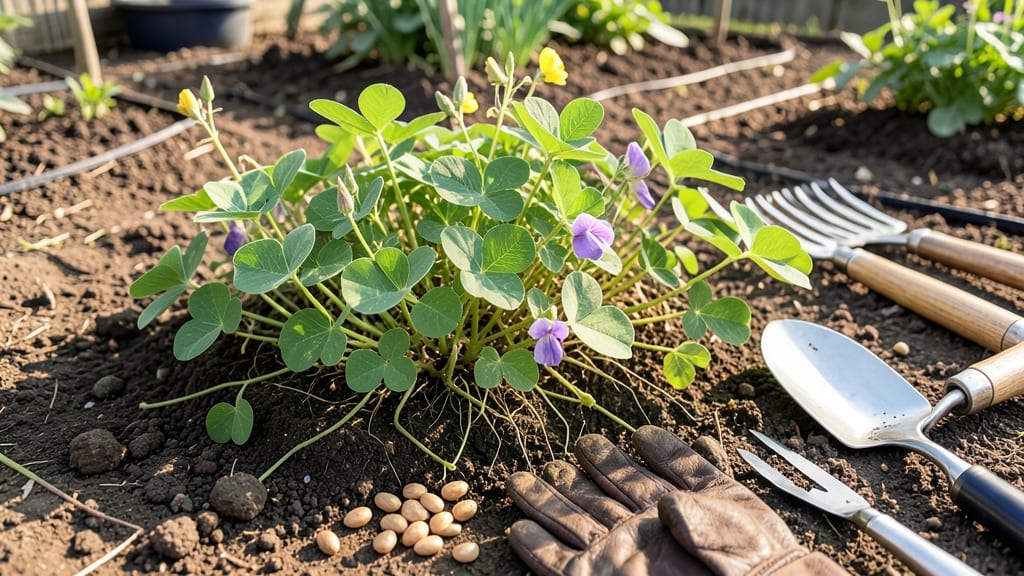
Georgia peanut planting dates by soil temperature zones (not calendar months)
Peanuts thrive in Georgia’s long growing season, but planting dates shouldn’t be based on calendar months alone—soil temperature is the real game-changer. The ideal soil temperature for peanut seeds is 55°F (13°C) or warmer at a depth of 4 inches.
Most Georgia regions hit this mark between mid-April and early June, but exact timing varies by USDA hardiness zone and microclimate.
Georgia spans USDA zones 7b-8b, with South Georgia’s coastal plains warming faster than the piedmont’s rolling hills. For example, Savannah (Zone 8a) may be ready by late March, while Atlanta (Zone 7b) often waits until mid-May.
Using a soil thermometer ensures you plant when roots can thrive, not just when the air feels warm.
Here’s how Georgia’s 5 climate regions break down for peanut planting:
| Region | USDA Zone | Optimal Planting Window | Soil Temp Threshold | Best Varieties |
|---|---|---|---|---|
| Southwest GA (Columbus) | 8a | Late March–April | 55°F+ (4" deep) | Georgia Red, Virginia-type |
| South GA (Savannah) | 8b | Mid-March–May | 55°F+ (4" deep) | Georgia Red, Early Spanish |
| Central GA (Macon) | 8a | Early April–May | 60°F+ (4" deep) | Georgia Red, Southern Runner |
| North GA (Athens) | 7b | Mid-May–June | 65°F+ (4" deep) | Virginia-type, Spanish |
| Northeast GA (Gainesville) | 7b | Late May–June | 65°F+ (4" deep) | Virginia-type, Early Runner |
For early varieties like Georgia Red, aim to plant when soil hits 55°F (13°C)—this gives pods time to mature before Georgia’s first frost (Nov 15). Late varieties, such as Virginia-type, can wait until 60°F (16°C) for slightly larger yields, but risk shorter growing seasons in northern counties.
Pro tip: Check the UGA Extension’s frost-free date map for your county—most areas have 215 frost-free days, but peanuts need 120–150 days to harvest. Planting too late leaves no room for pod development and drying time before frost.
If you’re unsure about your soil’s readiness, use a soil thermometer for 3 consecutive days at 4" depth.
Morning readings (after sunrise) are most accurate. Early planting in cooler zones (like North GA) can lead to poor germination, while late planting in South GA may result in underdeveloped pods.
For container growers, raise beds 6–12 inches to warm soil faster—this can shave 2–3 weeks off your planting timeline. Just ensure containers have drainage holes to prevent root rot in Georgia’s humid summers.
🌱
Microclimate secrets: how to adjust planting for Georgia’s hot spots and cold pockets
Georgia’s peanut planting window isn’t one-size-fits-all—microclimates can shift your ideal dates by 2–3 weeks, especially between the coastal plains and piedmont regions. In South Georgia, where humidity lingers and soils warm faster, you might plant Virginia-type peanuts as early as mid-April.
Meanwhile, North Georgia’s piedmont—with cooler nights and slower soil warming—often waits until late April or early May for the same varieties.
Even within a single county, elevation changes of just 100 feet can delay soil warming by a week. For example, Athens’ foothills may need to wait until May 1 for Georgia Red varieties, while low-lying Tifton can start April 15.
Always check UGA Extension’s soil temperature maps before committing to a schedule.
🌡️ Pro Tip: Use a soil thermometer at 4-inch depth—peanuts need consistent 70°F+ for 10+ days before planting. If your morning soil temp dips below 65°F, delay by a week to avoid poor germination and fungal rot.
- 1. Coastal Plains (Brunswick, Camden): Plant Virginia-types by April 1–15—soils warm fastest here, but sandy soils dry out quickly. Use black plastic mulch to retain moisture.
- 2. Piedmont (Athens, Macon): Wait for May 1–15—cooler nights slow soil warming. Choose early-maturing varieties like Georgia Red to avoid fall frost risks.
- 3. Mountain Foothills (Dahlonega, Blue Ridge): Delay until late May—USDA Zone 7b here means later last frosts. Use row covers for 2–3 weeks post-planting to protect young seedlings.
- 4. Urban Gardens (Atlanta, Savannah): Microclimates vary by block—south-facing walls can add 5–7°F warmth. Plant raised beds to warm soil 3–5 days faster than in-ground plots.
- 5. Windy Areas (Coastal Islands): Use windbreaks (e.g., tall sunflowers or bamboo fencing) to reduce transplant shock. Peanuts need calm conditions to establish roots quickly.
Mulching is your secret weapon for microclimate control. Black plastic mulch raises soil temps by 5–10°F, letting you plant 1–2 weeks earlier in cooler zones. In sandy soils (common in South Georgia), straw mulch retains moisture for Virginia-types, while North Georgia’s clay soils benefit from straw + compost to prevent crusting.
For container growing (e.g., balconies in Atlanta), use black pots—they warm 2–3°F faster than standard containers. Place pots on heat-absorbing surfaces like dark-colored pavers to mimic field conditions. Just ensure pots have drainage holes to avoid root rot from Georgia’s summer downpours.
Finally, monitor humidity—South Georgia’s 90%+ humidity can trigger leaf spot disease if planting is delayed past mid-June. Use fungicide-treated seed and spaced rows (18–24 inches apart) to improve airflow. In drier North Georgia, drip irrigation keeps soils moist without oversaturating.