
Plants
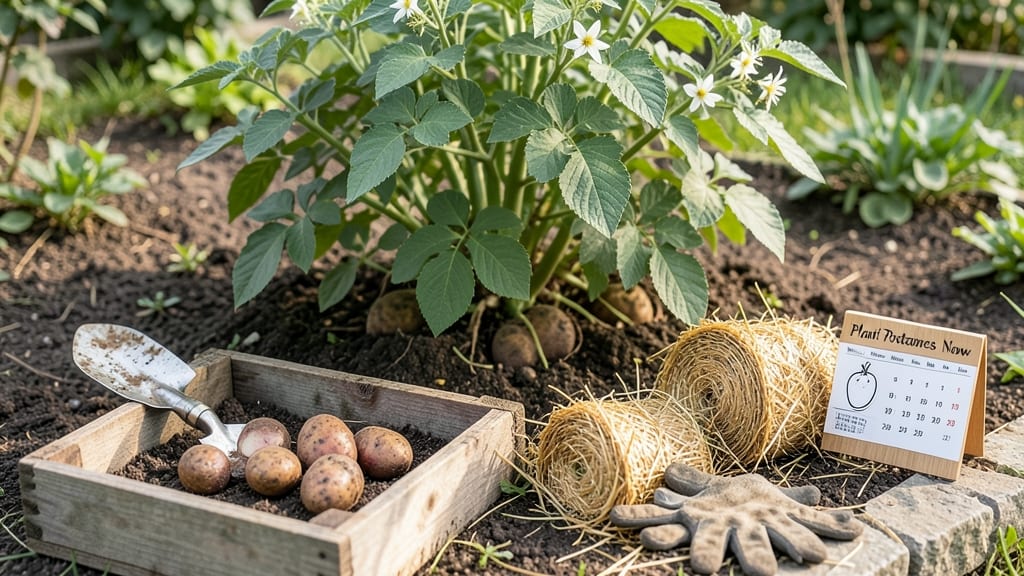
If you're growing 🥔 potatoes in Zone 9, timing your planting is the single most important factor to avoid bolting—or worse, a total harvest failure.
Unlike cooler climates, Zone 9's mild winters mean you can't just wait for spring; you need a strategic approach to sync your potatoes with the perfect growing window.
The key? Starting your potatoes indoors in late winter (January or February) to give them a head start. This pre-sprouting method ensures your tubers are ready to hit the ground when soil temperatures warm up in March, giving you a full 90-day growing season before summer heat sets in.
I’ve tested this method for years in Zone 9b, and the results speak for themselves: fewer wasted seed potatoes, no premature bolting, and a reliable harvest between April and June.
Whether you're a first-time gardener or a seasoned pro, these timing tips will help you grow potatoes that thrive—not just survive—in warm climates.
Ready to master the art of potato planting in Zone 9? Let’s break down the exact steps to time your planting for maximum yield, from pre-sprouting to transplanting, so you can enjoy homegrown potatoes all season long.
Zone 9 potato planting calendar: exact dates to avoid bolting
In Zone 9, where winters are mild and summers scorching, planting potatoes at the wrong time can turn your harvest into a bolting disaster. Unlike cooler climates, Zone 9’s 300 frost-free days demand a different approach—late-winter pre-sprouting followed by precise transplant timing.
The goal? Beat the heat while avoiding early flowering that robs you of tubers.
Your planting window in Zone 9 spans from January to March, but not all dates are equal. Early varieties like Yukon Gold or Red Pontiac need 4-6 weeks of pre-sprouting indoors starting in January, while later varieties like Russian Banana can wait until February.
The key is synchronizing sprouts with soil temperatures of 45°F (7°C) or warmer.
Here’s the critical timeline to follow: Begin pre-sprouting seed potatoes in late January (Zone 9b) or early February (Zone 9a). Transplant outdoors when daytime highs consistently reach 60°F (15°C), typically mid-March to early April. This timing ensures tubers form before summer heat triggers bolting.
Why these dates? Zone 9’s mild winters mean seed potatoes won’t rot if planted too early, but they’ll bolt prematurely if exposed to consistent warmth above 70°F (21°C) before tubers form.
Pre-sprouting creates a 4-6 week head start, ensuring plants are 6-8 inches tall by transplant time—critical for outpacing heat stress.
Pro tip: Use shade cloth during April’s heat spikes to protect young plants. Even Zone 9’s cooler coastal areas can see sudden temperature jumps. Monitor your microclimate—high desert zones may need earlier planting (late February) than humid coastal areas (early March).
For second-crop potatoes, plant late May with heat-tolerant varieties like Sweet Potato or Purple Majesty. These handle Zone 9’s summer heat better but require daily shade and extra mulch to retain moisture. Just remember: second crops are riskier in Zone 9 due to bolting triggers.
Your harvest window in Zone 9 is April to June, but timing varies by variety. Early plantings (March) yield new potatoes in 60-70 days, while late plantings (May) may take 90-100 days.
Watch for flowering—it’s your cue to harvest within 2-3 weeks before tubers turn woody. Miss this window, and you’ll be left with small, tough potatoes.
Zone 9 gardeners often ask: "Can I plant potatoes in December?" The short answer? No. While Zone 9 rarely sees frost, December’s cooler temps (50-60°F) slow growth, and January’s mild spells can trick potatoes into bolting.
Stick to the January-March window for reliable results. For year-round harvests, consider container growing with controlled environments.
One final warning: Don’t skip pre-sprouting in Zone 9. Without it, your potatoes will linger indoors while outdoor conditions become ideal—leading to overcrowded, bolting plants. Pre-sprouting ensures you’re ready to transplant
Late-winter pre-sprouting guide: how to jumpstart potatoes indoors
Zone 9’s mild winters mean you can start potatoes indoors 6-8 weeks before your ideal outdoor planting date. This pre-sprouting trick gives your tubers a head start while avoiding the bolting risk from sudden heat. I’ve pre-sprouted Red Pontiac and Yukon Gold varieties with great success—here’s exactly how.
First, choose certified seed potatoes (not grocery store spuds) and cut them into 2-inch chunks, each with at least 2-3 eyes. Let the cut sides dry for 24 hours to prevent rot. This step is critical—dampness invites fungal diseases like blight.
🌱 Step-by-Step Pre-Sprouting Process
- Week 1-2: Place seed pieces in a paper bag or cardboard box with light exposure (near a window or under grow lights). Keep in 60-65°F (15-18°C).
- Week 3-4: Sprouts should emerge—2-3 inches long. Avoid watering; humidity from condensation is enough.
- Week 5-6: Harden off sprouted potatoes by moving them to 50°F (10°C) for 2-3 days before transplanting outdoors.
Pro tip: Use black plastic containers (like takeout trays) to hold your sprouting potatoes. The dark color helps regulate temperature and keeps sprouts from getting leggy. I’ve even used old cereal boxes lined with newspaper—whatever you have on hand!
Once sprouts reach 1-2 inches, they’re ready for transplant. Plant them 4-6 inches deep in well-draining soil when nighttime temps stay above 50°F (10°C).
In Zone 9, this usually lands in late February to early March—just in time for a long harvest window before summer heat sets in.
Watch for purple sprouts—a sign of too much light. Move your container to a darker spot temporarily. Overly long sprouts may break during transplant, so aim for sturdy 1-inch stems by planting time.
After transplanting, mulch heavily with straw to maintain consistent moisture and prevent soil temp swings. Your pre-sprouted potatoes will emerge from the ground faster than unsprouted ones, giving you a 2-3 week head start on the season.