
Plants
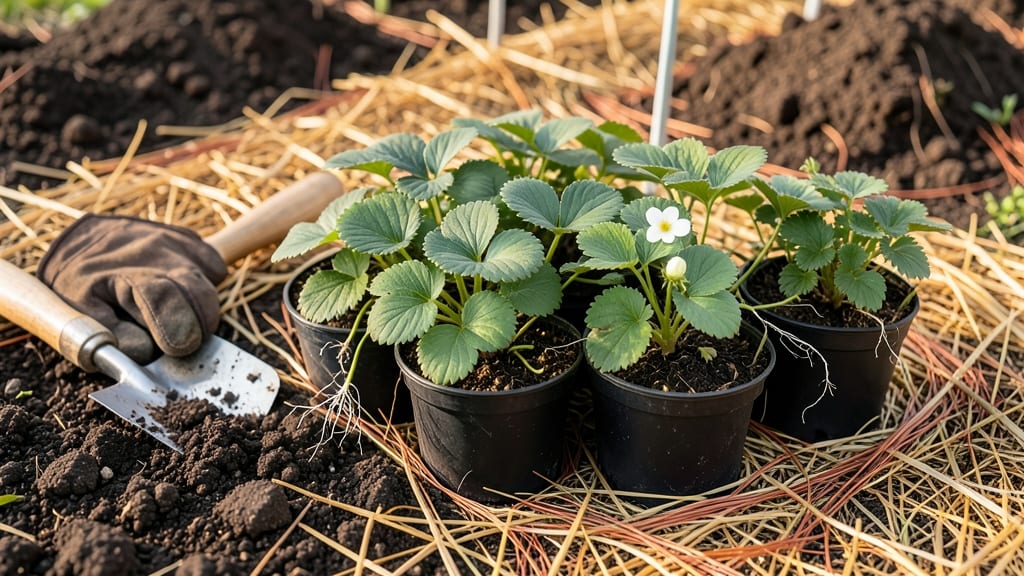
Planting strawberries in Michigan at the wrong time can mean the difference between a bountiful harvest and wasted effort. With USDA zones 5b-6b, timing your 🍓 planting just right ensures your plants establish strong roots before summer heat arrives—and avoids frost damage.
Most Michigan gardeners swear by early spring planting in March or April, but late summer (July-August) offers a second chance for everbearing varieties. The key is understanding your microclimate—whether you're in Detroit's urban heat island or rural northern Michigan with later frost dates.
In this guide, I'll break down the exact planting windows for your zone, soil prep secrets, and how to stretch your harvest season. No more guessing—just proven strategies for Michigan's unpredictable climate.
Ready to grow strawberries that taste sweeter than store-bought? Let's get your plants in the ground at the perfect moment for maximum yields.
Michigan strawberry planting calendar by hardiness zones (4-6)
Michigan’s USDA zones 4-6 create unique challenges for strawberry growers, where late frosts and short growing seasons demand precise timing. Planting too early risks frost damage, while waiting too long cuts harvest windows.
The key is aligning your planting with soil temperatures and frost-free dates—typically April 15 for last frost and October 15 for first frost in most regions.
For bare-root plants, aim for early spring (March–April) when soil warms to 40–50°F. If you prefer potted varieties, late summer (July–August) works well, giving roots time to establish before winter.
Michigan’s June-bearing varieties need 10–14 hours of daylight to set fruit, so timing matters even more for these types.
Here’s how to match your USDA zone to the perfect planting window:
For bare-root plants, soak roots in lukewarm water for 30 minutes before planting to reduce transplant shock. Space plants 12–18 inches apart in well-draining soil with a slightly acidic pH (5.5–6.5).
Mulch with straw or pine needles to retain moisture and suppress weeds—critical in Michigan’s variable spring rains.
If you’re planting in containers, use a lightweight potting mix with perlite for drainage. Containers warm up faster than garden beds, so you can plant 2–3 weeks earlier in spring. Just ensure pots have drainage holes to prevent root rot—a common issue in Michigan’s humid summers.
For everbearing and day-neutral varieties, consider staggered planting: plant half in early spring and half in late summer to extend your harvest from June through September. This works especially well in Zone 6, where summers are longer.
Always check your local frost dates using the Michigan State University Extension’s frost calculator—it accounts for microclimates like urban heat islands or lakeside areas. A 5–7 day buffer after the last frost date ensures your strawberries aren’t caught off guard.
Pro tip: Plant strawberries near borage or thyme to deter pests like slugs and birds, which are voracious strawberry thieves in Michigan gardens. The strong scents of these companion plants act as natural deterrents without chemicals.
Finally, mark your planting dates on a garden journal—Michigan’s unpredictable weather means next year’s timing could shift. Adjust based on soil warmth (use a soil thermometer!) and rainfall patterns to fine-tune your schedule.
With the right timing, you’ll enjoy homegrown strawberries from June through September, beating store-bought berries by months. Happy planting! 🍓
Best strawberry varieties for Michigan’s climate and planting times
Michigan’s cool summers and frost-prone springs demand strawberry varieties that thrive in USDA zones 4-6. Choosing the right type ensures higher yields and longer harvest windows, whether you plant in early spring or late summer. Let’s break down the top performers and their ideal planting times.
June-bearing strawberries are the classic choice for Michigan, producing one massive harvest in early summer. Varieties like Honeoye and Jewel are cold-hardy and perfect for March-April planting. These plants reward patience with large, sweet berries but require full sun and well-drained soil to prevent rot.
Everbearing varieties like Ozark Beauty stretch your harvest into late summer with two smaller crops. They’re ideal for late July-August planting and tolerate Michigan’s shorter growing season better than their June-bearing cousins. Just be prepared for smaller berries and less yield per plant.
For the most flexibility, day-neutral varieties such as Seascape or Albion produce fruit continuously from midsummer until frost. These are best planted in early spring but can also handle late summer setups.
Their heat tolerance makes them a great choice for Michigan’s warmer microclimates, like southern Lower Peninsula regions.
🌱 Pro Tip: Always check the USDA zone map for your specific Michigan location. Northern regions (Zone 4) should stick to June-bearing varieties, while southern areas (Zone 6) can experiment with everbearing or day-neutral types for extended harvests.
| Variety | Type | Best Planting Time | Harvest Window | Cold Hardiness |
|---|---|---|---|---|
| Honeoye | June-bearing | March-April | Early June | Zone 3-7 |
| Jewel | June-bearing | March-April | Late June | Zone 4-8 |
| Ozark Beauty | Everbearing | July-August | July-September | Zone 4-7 |
| Seascape | Day-neutral | March-April | June-October | Zone 5-9 |
| Albion | Day-neutral | March-April | June-October | Zone 4-8 |
When selecting varieties, prioritize disease resistance—Michigan’s humid summers create ideal conditions for gray mold and powdery mildew. Look for labels mentioning Angoumois grain moth resistance or Verticillium wilt tolerance to save headaches later. Always source plants from reputable Michigan nurseries to avoid bringing pests into your garden.
For urban gardeners with limited space, container varieties like Tristar (everbearing) or Chandler (June-bearing) are excellent choices. These thrive in 5-gallon pots and can be moved to protected spots if frost threatens. Just ensure pots have drainage holes and use lightweight potting mix to prevent root rot.
🌿 Remember: No matter the variety, mulching with straw or pine needles keeps berries clean and protects roots from Michigan’s temperature swings. This simple step can double your yield by reducing stress on plants.