
Plants
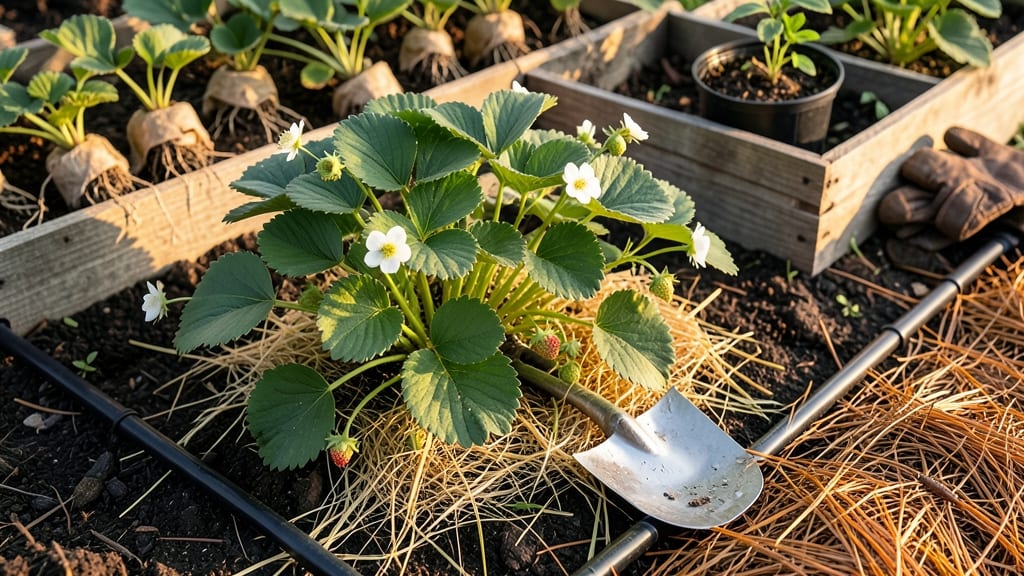
Planting strawberries in Zone 8 at the wrong time can mean the difference between a bountiful harvest and wasted effort. With mild winters and long growing seasons, Zone 8 offers two prime windows—fall and spring—but timing matters more than you might think.
Whether you're growing June-bearing or everbearing varieties, getting the plants in the ground just right ensures stronger roots and sweeter fruit.
Fall planting, between September and October, lets strawberries establish roots before winter, giving them a head start for spring growth. Meanwhile, spring planting in February or March works too, but you’ll need to beat the first frost—typically around mid-November in Zone 8.
The key is planting 4–6 weeks before the first frost to avoid cold damage and give your 🍓 plants time to settle in.
Why does timing matter so much? Strawberries thrive when they can focus on root growth before fruiting. In Zone 8, fall-planted berries often outperform spring ones because they avoid summer heat stress and start producing earlier.
Plus, cooler fall soils reduce disease risks, setting you up for a healthier crop. Let’s break down the best strategies for your climate.
Ready to grow strawberries that burst with flavor? I’ll walk you through the exact steps—from soil prep to choosing the right varieties—to make sure your plants take off in Zone 8’s unique conditions. No more guesswork, just sweet, juicy berries all season long.
Best planting months for strawberries in Zone 8: fall vs. spring breakdown
Zone 8 gardeners enjoy a 210-240 day frost-free season, giving strawberries plenty of time to establish roots and produce fruit. But timing your planting matters—fall and spring each offer unique advantages, and choosing the wrong window can mean smaller yields or even lost plants.
The last frost date in Zone 8 typically falls around February 15, while the first frost arrives around November 15. This long window creates opportunities for both fall and spring planting, but each has distinct benefits depending on your local microclimate and variety.
Fall planting (September–October) is often preferred in Zone 8 because it allows roots to establish before winter, giving plants a head start in spring. Spring planting (February–March) works too, but requires careful monitoring of frost dates to avoid early cold snaps.
For June-bearing varieties, fall planting ensures they fruit in their first season, while everbearing varieties can produce fruit in both fall and spring regardless of planting time. Let’s break down the pros and cons of each approach.
| Factor | Fall Planting (Sep-Oct) | Spring Planting (Feb-Mar) |
|---|---|---|
| Best For | June-bearing varieties, early fruit | Everbearing varieties, staggered harvests |
| Root Establishment | 6-8 weeks before dormancy (strong roots) | 4-6 weeks before last frost (rushes growth) |
| Frost Risk | Low (plants dormant by frost) | High (young plants vulnerable) |
| Yield Potential | Higher first-year fruit (June-bearing) | Lower first-year fruit (focus on roots) |
| Best Varieties | Chandler, Camarosa, Albion | Seascape, Tristar, Fort Laramie |
| Planting Deadline | 4-6 weeks before first frost | 4-6 weeks before last frost |
If you’re planting in fall (September–October), aim to get strawberries in the ground 4–6 weeks before the first frost. This gives roots time to establish before winter dormancy. In my Zone 8b garden, I’ve found that planting in late September ensures strong root growth before temperatures drop.
For spring planting (February–March), wait until 4–6 weeks before your last frost date. This timing reduces the risk of frost damage to young plants. In my experience, early March is ideal for spring plantings in most of Zone 8, but always check your local frost calendar.
Pro tip: Use mulch (straw or pine needles) after planting to protect roots from temperature swings. In Zone 8’s mild winters, this extra layer can mean the difference between thriving plants and struggling ones.
Everbearing varieties like Seascape or Tristar are great for Zone 8 because they produce fruit in both fall and spring, regardless of planting time. If you’re growing June-bearing varieties, fall planting will give you a larger first-year harvest.
Remember, soil temperature matters too—strawberries prefer soil that’s at least 45°F (7°C). In Zone 8, this is usually met by mid-February for spring and early September for fall plantings.
For the best results, plant in the morning on a cloudy day to reduce transplant shock. Water deeply after planting to settle the soil and encourage root growth.
Now that you know the best times to plant, let’s talk about preparing your Zone 8 garden for strawberries—soil, location, and all!
Best planting months for strawberries in Zone 8: fall vs. spring breakdown
Zone 8’s mild winters and extended growing season make it perfect for strawberries—but timing matters. Plant too early, and your berries may bolt in summer heat. Too late, and roots won’t establish before winter. The ideal windows are fall (September–October) or early spring (February–March), each with unique advantages.
Fall planting gives strawberries a head start on root growth before winter dormancy. By the time spring arrives, they’re already established and ready to fruit. Spring planting, however, avoids the heat stress of summer planting and aligns with natural rainfall patterns.
Let’s break down the pros and cons of each approach for Zone 8’s microclimates.
📅 Key Deadlines:
- Fall Planting: Aim for 4–6 weeks before first frost (typically by November 15).
- Spring Planting: Plant 4–6 weeks before last frost (around February 15).
Missing these windows risks poor yields or winter die-off.
| Factor | Fall Planting (Sept–Oct) | Spring Planting (Feb–Mar) |
|---|---|---|
| Root Establishment | Strong roots before winter | Rapid growth with spring warmth |
| Frost Risk | Low (plant after heatwave) | Moderate (avoid late frosts) |
| Yield Potential | Higher first-year fruit | Peak yields in Year 2 |
| Best Varieties | Chandler, Seascape | Camarosa, Albion |
| Water Needs | Moderate (fall rains help) | High (spring drought risk) |
For Zone 8’s heat-sensitive varieties, fall planting often wins—especially in inland areas where summer temps exceed 90°F. Coastal regions with milder winters can push fall planting into early November safely. Meanwhile, spring planting suits everbearing varieties like Seascape, which produce fruit in both seasons.
Pro tip: Use staggered planting for extended harvests. Plant 1/3 of your bed in fall, another 1/3 in early spring, and the final 1/3 in late spring. This ensures berries ripen over 2–3 months instead of all at once.
Remember, soil temperature matters too. Strawberries thrive when soil is 50–60°F. Test it with a soil thermometer before planting—cold soil delays root growth. In Zone 8b’s warmer microclimates, you might even squeeze in a late summer planting (August) for a fall harvest!