
Flowers
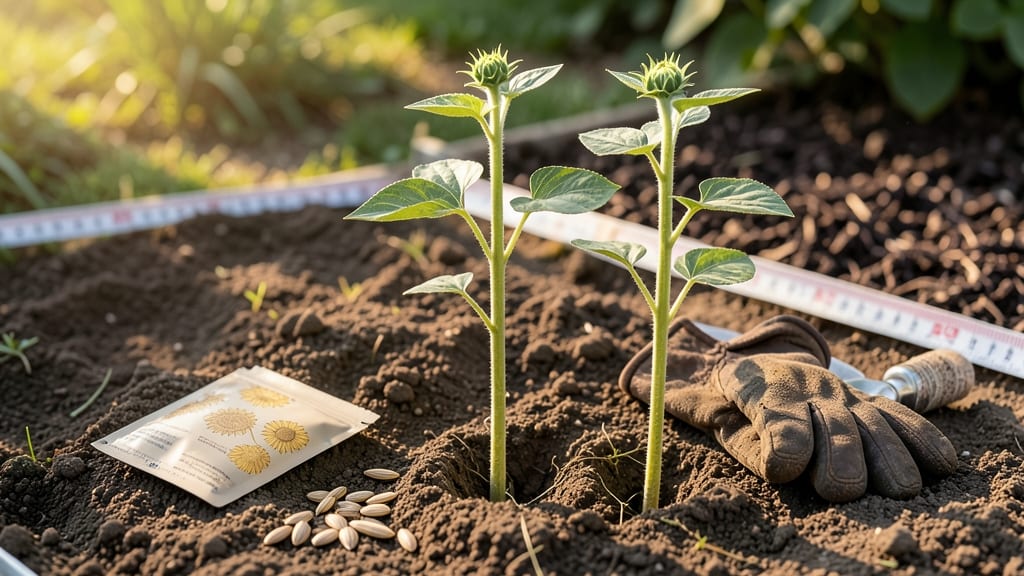
Timing your sunflower planting in Missouri could mean the difference between a 15-foot tower of golden blooms and a sad, stunted attempt at a garden centerpiece.
The 5b-6b climate zone gives you a mid-April to mid-June window, but whether you're in St. Louis or rural farmland, getting it right means waiting for soil temperatures to hit 50°F—not just the calendar date.
Plant too early, and frost will nip your seedlings before they even reach for the sky. Too late, and you might miss the peak summer display that makes sunflowers worth growing.
I’ve learned the hard way that direct sowing is the way to go in Missouri—no need for indoor starts unless you’re experimenting with early varieties.
This guide breaks down exactly when to plant your 🌻 sunflowers by region, which varieties thrive in your specific microclimate, and how to prep your soil for maximum height and resilience. Whether you’re aiming for ‘Russian Giant’ giants or quick-blooming ‘Autumn Beauty’, we’ll cover it all.
Let’s get your sunflowers off to the right start—because once they’re up, they’ll grow faster than you can say “summer harvest.”
Missouri sunflower planting dates by USDA zone: avoid frost and maximize bloom time
Missouri’s USDA zones 5b-6b create a perfect canvas for sunflowers, but knowing your exact last frost date is critical.
In northern Missouri (zones 5a-5b), like St. Louis, the average last frost falls around April 15, while southern Missouri (zones 6a-6b), like Springfield, can start planting as early as March 20. Always wait until soil temperatures hit 50°F or warmer—sunflowers won’t germinate in cold soil.
For direct sowing, Missouri gardeners should aim for mid-April to mid-June to ensure blooms before the first frost in October. If you’re transplanting seedlings, start them indoors 4-6 weeks before your last frost date.
Southern Missouri’s longer growing season lets you push planting into early July for late-season varieties like ‘Autumn Beauty’, which thrives in cooler fall temperatures.
Missouri’s microclimates can shift planting windows by weeks. Urban areas like Kansas City often experience earlier spring warmth than rural farmlands, while valleys may hold frost longer. Check local weather forecasts for 10-day predictions before planting—sunflowers despise soggy, cold soil.
Here’s your zone-by-zone planting timeline to maximize sunflower height and bloom time:
| USDA Zone | Last Frost Date | Ideal Planting Window | Soil Temp Requirement | Notes |
|---|---|---|---|---|
| 5a (Northeast MO) | April 25 | May 1 - June 1 | 50°F+ | Use row covers for early starts |
| 5b (St. Louis) | April 15 | April 20 - May 31 | 50°F+ | Direct sow after frost risk passes |
| 6a (Central MO) | April 5 | March 20 - June 15 | 50°F+ | Early varieties for spring blooms |
| 6b (Southwest MO) | March 15 | March 1 - July 1 | 50°F+ | Late varieties for fall color |
Missouri’s northern zones (5a-5b) benefit from succession planting—sow seeds every 2 weeks until June 1 to stretch your blooming season. In southern zones (6a-6b), you can even plant a final batch in early July for autumn harvests.
Just ensure seeds have 60-80 days until your first frost to mature.
Avoid the common mistake of planting sunflowers too early. Cold, wet soil causes seeds to rot before germinating. Instead, use a soil thermometer to confirm 50°F+ temperatures at a 2-inch depth. If your spring is unpredictable, opt for fast-growing varieties like ‘Teddy Bear’ (50 days to maturity) for earlier color.
For transplanting seedlings, start them indoors under grow lights 4-6 weeks before your last frost. Acclimate seedlings to outdoor conditions for 1 week before transplanting to prevent shock. Harden them by placing them outside during the day and bringing them in at night, gradually increasing their time outdoors.
Missouri’s summer heat is ideal for sunflowers, but consistent watering is key during germination. Once established, sunflowers are drought-tolerant, but deep watering 1-2 times per week ensures those towering stems stay sturdy. Mulch around the base to retain moisture and suppress weeds—sunflowers hate competition.
Plan your sunflower garden with spacious rows. Tall varieties like ‘Russian Giant’ need 2 feet of space between plants, while dwarf types like ‘Moulin Rouge’ can grow 1 foot apart. In Missouri’s windy areas, consider staking or planting near a fence to prevent toppling.
How to extend your sunflower season in Missouri: tips for early or late planting success
Missouri’s variable spring and fall weather can challenge sunflower lovers, but with the right strategies, you can grow sunflowers earlier in spring or extend blooms into fall.
Whether you’re dealing with late frosts in April or early chills in October, these techniques will help you maximize your sunflower season. The key is understanding how to protect young plants and choose the right varieties for your extended timeline.
For early spring planting, focus on warming the soil and protecting seedlings from unexpected frosts. In USDA Zone 5b (northern Missouri), where frosts can linger until mid-April, use row covers or cold frames to create a microclimate that’s 5–10°F warmer.
This allows you to plant seeds as early as late March, giving your sunflowers a head start before the last frost. Just be sure to remove covers once plants are established to prevent overheating.
🌱 5 Ways to Extend Your Sunflower Season
- 1. Use row covers to plant 2-3 weeks earlier in spring.
- 2. Choose fast-maturing varieties (e.g., 'Teddy Bear') for late summer planting.
- 3. Start seeds indoors 2-3 weeks before last frost for earlier transplanting.
- 4. Succession plant every 2 weeks in May-June for continuous blooms.
- 5. Mulch heavily to insulate roots and extend fall growth.
If you’re aiming for late-season sunflowers, focus on succession planting and drought-tolerant varieties. Plant short-season varieties like 'Autumn Beauty' in early July to early August—these varieties mature in 80–90 days, ensuring blooms before the first frost.
For fall protection, apply a thick layer of mulch around the base of plants to insulate roots and retain moisture. This can delay frost damage by 2–3 weeks in USDA Zone 6b (central Missouri).
Another game-changing strategy is succession planting. Instead of planting all your sunflower seeds at once, space out plantings every 2 weeks from mid-May to mid-June. This ensures a continuous display of blooms from July through October.
For example, if you plant 'Moulin Rouge' (a 60-day variety) in mid-May, you’ll see flowers by early July. Follow up with a mid-June planting of 'Russian Giant' (a 90-day variety) for late-summer blooms.
For gardeners in southern Missouri (Zone 7a), where winters are milder, you can push the envelope even further. Try planting cold-hardy varieties like 'Sunspot' as late as early September—these can survive light frosts and still produce small but vibrant blooms before winter.
Just be sure to choose a sheltered location and water deeply before the first frost to encourage root hardening.
Finally, avoid these common mistakes when extending your sunflower season. Overcrowding seedlings can lead to weak stems that won’t support tall varieties like 'Russian Giant'. Always thin seedlings to 12–18 inches apart for optimal airflow and growth.
Another pitfall is planting too late—if you wait until after mid-June, your sunflowers may bolt too quickly or struggle to mature before frost. Stick to the 80–90 day rule for late plantings to guarantee blooms.
With these season-extending tips, you can enjoy sunflowers from spring to fall in Missouri—no matter your USDA zone or microclimate. Whether you’re a patient gardener or a last-minute planter, there’s a way to make sunflowers thrive in your garden. 🌻