
Plants
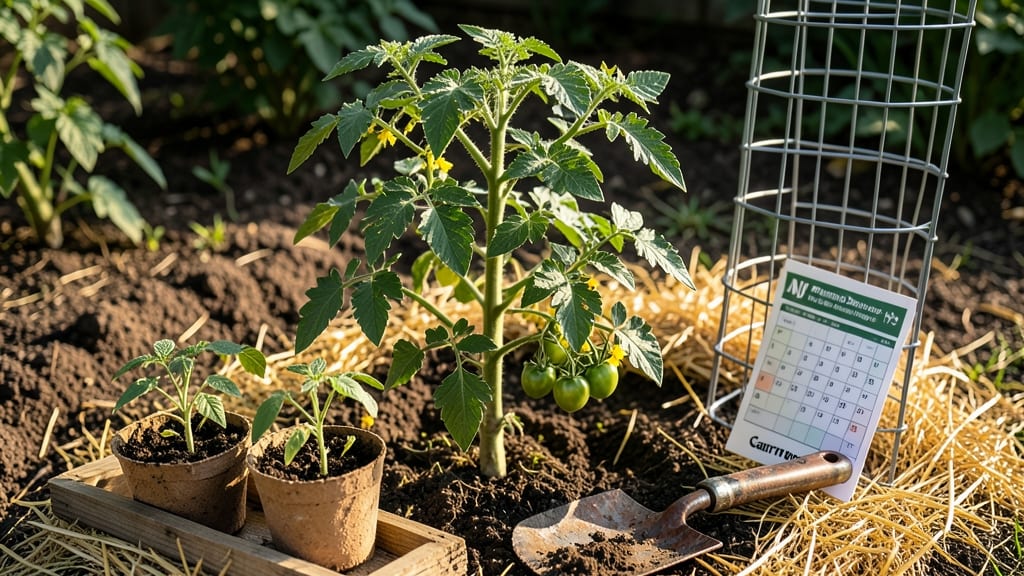
NJ last-frost dates by region: when to transplant tomatoes outdoors (2024 guide)
New Jersey’s last-frost dates vary dramatically between North Jersey (Zone 6b) and Central/South Jersey (Zone 7a), making timing critical for tomato success. In Zone 6b, the average last frost falls around May 1-15, while Zone 7a gardeners typically see frost-free conditions by April 15-May 1.
However, these dates are historical averages—not guarantees—so always plan for a 10-day buffer after your local last frost date.
For example, if your last frost is April 15, wait until May 5 to transplant seedlings outdoors. This 10-day rule accounts for late frosts, which can still hit North Jersey as late as May 20 or even early June in cooler microclimates like the Highlands.
Coastal areas (e.g., Cape May) may see earlier last frosts, but humidity and wind can delay planting.
🌱 Pro Tip: Use NJ State Climate Office data or local Cooperative Extension reports to refine your timing. For instance, Rutgers NJAES provides hyperlocal frost maps that adjust for elevation and urban heat islands.
| Region | USDA Zone | Avg. Last Frost | Safe Transplant Window | Microclimate Notes |
|---|---|---|---|---|
| North Jersey (e.g., Bergen, Passaic) | 6b | May 1–15 | May 15–June 1 | Cooler inland areas; late frosts possible until May 20. |
| Central Jersey (e.g., Mercer, Middlesex) | 7a | April 15–May 1 | May 1–15 | Warmer urban areas; transplant earlier near pavement. |
| South Jersey (e.g., Atlantic, Cape May) | 7a/b | April 1–April 15 | April 15–May 1 | Coastal humidity delays planting; watch for salt spray damage. |
| Highlands (e.g., Sussex, Warren) | 6a | May 15–30 | June 1–15 | High elevation; last frosts can occur in June. |
🌡️ Use a soil thermometer! Tomatoes thrive when soil reaches 60°F+.
Transplanting too early risks frost damage, while waiting too long cuts your harvest window.
For early varieties like ‘Early Girl’ (60-day maturity), aim to transplant by May 15 in Zone 6b and April 30 in Zone 7a to ensure a summer harvest. Late varieties (e.g., ‘Brandywine’) need until June 1 in most regions.
🌿 Extension Tip: Rutgers’ Garden Guide recommends using row covers to push transplant dates 2–3 weeks earlier in Zone 6b. These lightweight fabrics protect seedlings from late frosts (28°F–32°F) while allowing sunlight and airflow.
If you’re unsure about your local last frost, check NJ Weather & Climate resources or ask your county agricultural extension office. For example, Burlington County often sees last frosts 1–2 weeks earlier than Hudson County due to urban heat islands.
💡 Remember: Tomatoes need 60–80 frost-free days to mature. In Zone 6b, this means starting seeds indoors by March 1–15 for early varieties, while Zone 7a can start as early as February 15.
Adjust for your specific variety’s maturity—a 90-day tomato planted on May 15 in Zone 6b won’t ripen until August 14, cutting your harvest short.
For coastal gardeners, watch for <
Tomato varieties for NJ gardens: start dates by maturity timeline
New Jersey’s short growing season demands smart choices—picking the right tomato varieties and starting them at the perfect time ensures a bountiful harvest.
Early varieties like ‘Early Girl’ (60 days to maturity) are your best bet for North Jersey’s cooler springs, while heat-tolerant ‘Solar Fire’ (80 days) thrives in Central/South Jersey’s longer summers. The key? Match your variety’s maturity timeline to your region’s last-frost date and first-frost risk.
For Zone 6b (North Jersey), where frost lingers until mid-April, start early varieties indoors 6–8 weeks before your last frost (around March 1–15). Transplant outdoors after May 15 to avoid late frosts.
In Zone 7a (Central/South Jersey), you’ve got more flexibility—start mid-season varieties like ‘Brandywine’ (85 days) 4–6 weeks before last frost (around March 15–April 1) and transplant by April 20–May 1.
| Variety | Days to Maturity | Indoor Start (Zone 6b) | Indoor Start (Zone 7a) | Outdoor Transplant | Best For |
|---|---|---|---|---|---|
| Early Girl | 60–65 | March 1–15 | March 15–April 1 | May 15–June 1 | North Jersey, early harvest |
| Brandywine | 85–90 | March 15–April 1 | April 1–15 | April 20–May 1 | Central/South Jersey, heirloom |
| Solar Fire | 70–75 | March 15–April 1 | April 1–15 | April 20–May 15 | Heat-tolerant, late summer |
| Celebrity | 70–75 | March 15–April 1 | April 1–15 | April 20–May 1 | Disease-resistant, reliable |
Pro tip: Use row covers to extend your season by 2–3 weeks for early varieties. For example, if you plant ‘Early Girl’ in North Jersey on April 15 (instead of waiting for May), a row cover can protect seedlings until late May, giving you a head start.
Just remove covers once flowers appear to prevent heat stress.
For late varieties like ‘Cherokee Purple’ (80–85 days), start seeds indoors in early April and transplant by May 15. These are riskier in North Jersey but reward you with heirloom flavors and a late-summer harvest.
If you’re in South Jersey, you can push the envelope further—try a second planting of fast-maturing varieties like ‘Patio’ (55 days) in early July for a fall harvest before frost.
Remember: Soil temperature matters just as much as air temperature. Use a soil thermometer to confirm your garden beds are at least 60°F before transplanting—cold soil stunts root growth. In cooler microclimates (like the Poconos or Pine Barrens), wait until June 1 to plant even early varieties.
Balancing variety selection and planting timing is an art, but with these guidelines, you’ll turn NJ’s unpredictable springs into a tomato-growing goldmine. 🌱