Plants
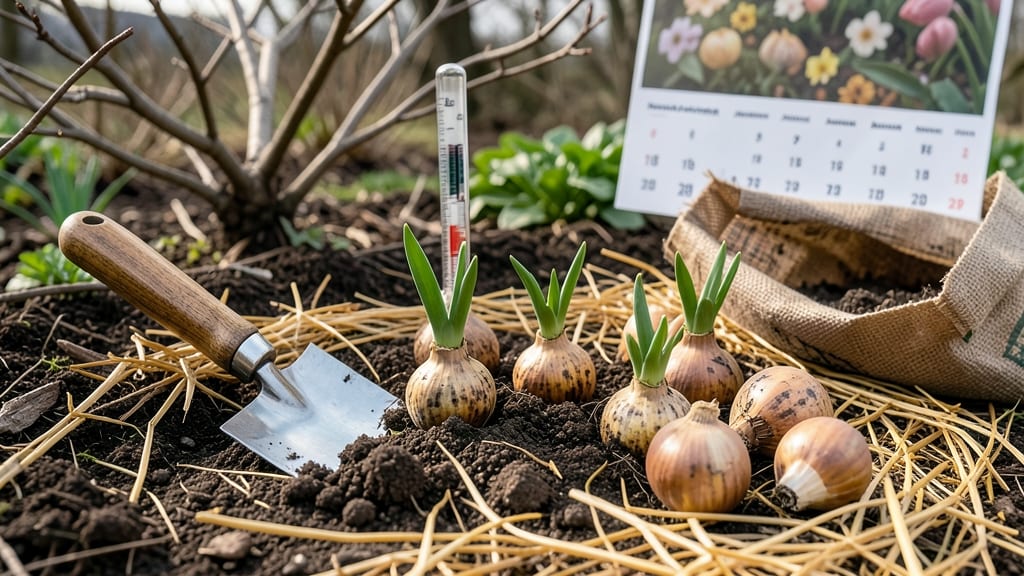
Planting tulips in Texas isn’t just about timing—it’s about outsmarting the climate. Whether you’re in frost-prone North Texas or balmy South Texas, getting those 🌷 bulbs in the ground at the wrong time means no blooms or worse, frozen dreams before they even sprout.
The key to success? Understanding your zone—8a-10b gardeners have completely different rules. North Texas needs bulbs in the ground by December, while South Texas can wait until January.
But here’s the catch: coastal areas like Corpus Christi play by their own rules, where mild winters let you plant later without risking frost damage.
I’ve tested what works (and what doesn’t) across Texas’s diverse microclimates, and the results will surprise you. From soil prep tricks to heat-tolerant varieties that actually thrive here, this guide cuts through the guesswork so you can enjoy April-May blooms—no matter where you live.
Ready to skip the trial-and-error? Let’s dive into the exact planting windows, bulb secrets, and post-planting care that’ll make your tulips the envy of the neighborhood. Your zero-frost blooms start here.
Texas tulip planting timeline: coastal vs inland frost zones explained
Texas's diverse climate makes tulip planting tricky—what works in Houston (Zone 9) fails in Amarillo (Zone 7). The key? Planting 6-8 weeks before frost while avoiding soil temps above 60°F.
Coastal areas can plant later, but inland zones need early prep to beat December freezes. Let’s break it down by region.
First, check your last frost date. North Texas (Zones 7-8) typically sees frost by December 1, while South Texas (Zones 9-10) holds off until November 15.
Plant bulbs 6-8 weeks before—that’s October-November for North Texas and November-January for South Texas. Miss this window, and your tulips may bolt or rot.
Soil temperature is non-negotiable. Tulips need 40-50°F soil to root. Inland areas hit this by late October, but coastal zones may wait until December.
Use a soil thermometer—planting too early in warm soil stresses bulbs. Pro tip: Moon phases matter too! Plant during the waxing moon for stronger roots.
Here’s the coastal vs. inland breakdown—your cheat sheet for perfect timing:
| Region | USDA Zone | Planting Window | Soil Temp Goal | Moon Phase Tip |
|---|---|---|---|---|
| North Texas (Dallas, Fort Worth) | 7b-8a | October 15–November 15 | 40–50°F | Waxing gibbous |
| Central Texas (Austin, San Antonio) | 8a-8b | November 1–December 1 | 45–55°F | First quarter |
| South Texas (Houston, Corpus Christi) | 9a-10a | November 15–January 15 | 50–60°F | Full moon |
| West Texas (El Paso, Lubbock) | 7a-8a | September 15–October 30 | 35–45°F | Waning crescent |
Why the moon phase matters: Planting during the waxing moon (increasing light) boosts root growth, while the waning moon (decreasing light) prioritizes foliage. Coastal gardeners can stretch planting into January, but inland zones must finish by November to avoid frost damage.
For container gardening, adjust timing by 2-3 weeks later. Pots heat up faster, so wait until soil cools. Use black plastic mulch in North Texas to warm soil earlier—this can push your window 10 days earlier in Zone 8. Just remove it after planting to prevent overheating.
One Texas-specific hack: Plant tulip bulbs in raised beds with 6 inches of compost. The extra insulation delays frost penetration, giving you 2 extra weeks of planting time in marginal zones. Just ensure beds drain well—waterlogged soil kills bulbs faster than frost.
Bloom times vary by variety and zone. Inland tulips may bloom 2-3 weeks earlier than coastal ones due to cooler winters. For year-round color, stagger plantings: Start with early bloomers in October (North Texas) and add late varieties in December (South Texas).
Pro move: Mark your planting calendar with 3 key dates—your first frost, ideal soil temp, and moon phase. Set a reminder for 6 weeks before frost to prep soil with compost and bone meal.
This ensures your tulips get the phosphorus boost they need for bold blooms next spring.
Remember: Texas tulips thrive on timing. Plant too early, and bulbs rot in warm soil. Plant too late, and frost nips them before roots establish.
But nail it, and you’ll have show-stopping blooms from March to May, even in the heat. Now grab those bulbs—your zero-frost garden awaits! 🌷
Texas tulip planting timeline: coastal vs inland frost zones explained
Texas spans USDA Zones 7-10, creating dramatic differences in tulip planting windows. Inland areas like North Texas (Zone 8a) face early frosts by December 1, while coastal South Texas (Zone 9a) stays frost-free until January 15 or later.
This means your Houston garden has a 2-month later window than Amarillo—and timing is everything for zero-frost blooms.
For North Texas gardeners, aim to plant tulip bulbs between mid-October and December 1, giving roots time to establish before winter. Coastal gardeners in Zone 9-10 can extend planting until January, but avoid waiting past mid-January—summer heat will stress newly planted bulbs.
The key? Soil temperatures should be 50-60°F at planting depth.
Here’s the critical difference: Inland areas need 6-8 weeks before the first frost, while coastal zones can push planting 2-3 weeks later. Use local frost date averages—check your Texas A&M AgriLife Extension records—to pinpoint your exact window.
For example, San Antonio (Zone 8b) plants in November, while Corpus Christi (Zone 9a) waits until December.
🌷 Texas Tulip Planting Zones Comparison
| Zone | Planting Window | Soil Temp Goal | Key Tip |
|---|---|---|---|
| 7-8 (North TX) | Oct 15–Dec 1 | 50–60°F | Plant early to avoid winter freeze |
| 8b-9 (Central TX) | Nov 1–Dec 15 | 55–65°F | Use mulch for winter protection |
| 9a-10 (Coastal TX) | Dec 1–Jan 15 | 60–70°F | Avoid summer planting—bulbs rot |
🌡️ Pro Tip: Use a soil thermometer to confirm temps before planting.
Moon phases also play a role in Texas tulip success. Planting during the waxing moon (when the moon is growing) encourages root development, while the waning moon (shrinking moon) can lead to weaker bulbs.
For North Texas, align planting with the October full moon for optimal growth. Coastal gardeners should aim for the December new moon to avoid summer stress.
One common mistake is assuming "fall planting" means September. In Texas, September heat can scorch bulbs before they root. Instead, wait until soil temps drop below 80°F—usually mid-October for inland and November for coastal areas.
Test your soil with a thermometer at 6-inch depth; if it’s warmer, wait another week.
For container gardening in Texas, plant bulbs in late November to December—containers warm faster and risk overheating. Use well-draining pots and place them in partial shade during summer to protect bulbs.
Coastal gardeners can extend container planting to early January, but avoid planting after February—summer heat will kill unrooted bulbs.