
Plants
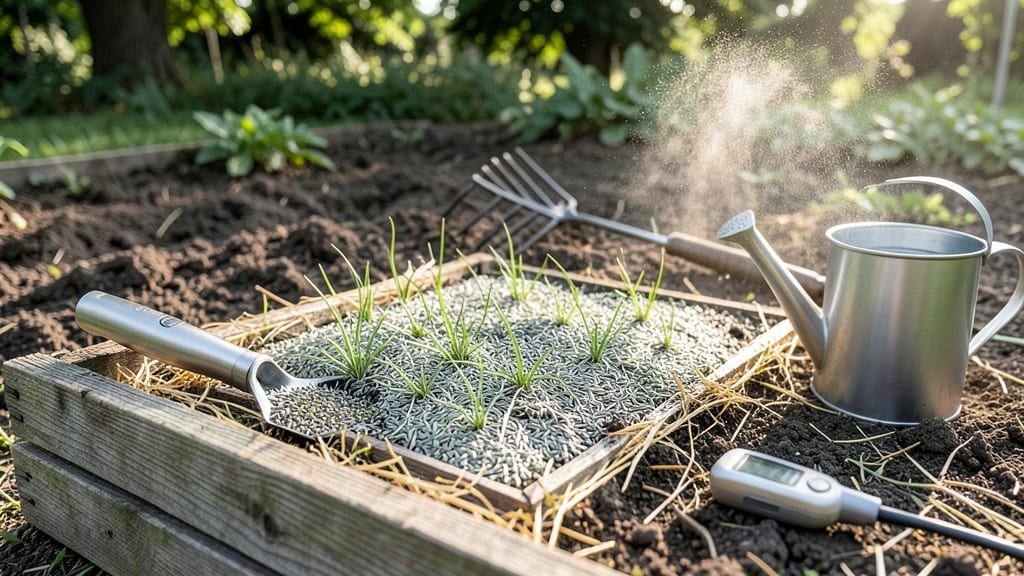
Best spring weeks to plant grass seed based on frost dates
Timing your grass seed planting is critical—plant too early, and frost can kill tender seedlings. Plant too late, and weeds will steal nutrients. The sweet spot? 4-6 weeks before your last average frost date, when soil temperatures hit 55–65°F for cool-season grasses or 65–75°F for warm-season types.
This window ensures strong germination before summer heat arrives.
Your local USDA hardiness zone and frost dates dictate the exact calendar. For example, in Zone 3–5 (northern states), aim for early April to early May. In Zone 6–8 (mid-Atlantic to Southwest), shift to mid-March to mid-April.
Southern zones (Zone 9+) can plant as early as February, but avoid late spring when summer drought stress peaks.
Pro tip: Check your local frost dates using the National Oceanic and Atmospheric Administration (NOAA) or your state agricultural extension service. These resources provide hyper-local data that’s more accurate than generic zone maps.
For instance, Chicago’s last frost often lands around April 15, but Denver’s can vary by 10 days depending on elevation.
Cool-season grasses like Kentucky bluegrass and fescue thrive when planted in early spring (March–April). Warm-season grasses such as Bermuda and zoysia prefer late spring to early summer (May–June). Misjudging this can lead to weak germination or dormancy—so pick the right type for your climate.
Here’s how to translate frost dates into action: Subtract 4–6 weeks from your last frost date to land on your planting window. For example, if frost ends May 1, plant by March 15–March 31.
This gives seedlings time to establish before summer heat arrives. Use a soil thermometer to confirm temperatures meet your grass type’s needs before seeding.
| Climate Zone | Last Frost Date | Ideal Planting Window | Grass Types |
|---|---|---|---|
| Zone 3–5 (North) | April 15–May 1 | Early April–Early May | Cool-season (bluegrass, fescue) |
| Zone 6–8 (Mid-Atlantic/Southwest) | March 15–April 15 | Mid-March–Mid-April | Cool/warm-season mix |
| Zone 9+ (Deep South) | February 15–March 1 | February–Early March | Warm-season (Bermuda, zoysia) |
Adjust for elevation: Mountain regions may need 2–4 weeks earlier.
Regional microclimates add another layer of complexity. Coastal areas often experience warmer soils earlier than inland zones, while high-elevation spots may need 2–4 weeks later. For example, Denver’s 5,000-foot elevation can delay ideal planting by 3 weeks compared to nearby plains. Always account for these nuances when planning.
Overseeding existing lawns in spring? Shift your timeline 2–3 weeks earlier to outcompete weeds. Cool-season grasses benefit from fall planting, but spring overseeding can thicken thin patches if done before weeds germinate. Warm-season grasses, however, should never be overseeded in spring—they go dormant in cooler temps.
Watch for soil moisture and rainfall forecasts in your planting window. A dry spell can stall germination, while heavy rain may erode seed. Aim for consistent light rain or plan to water daily for 2 weeks post-planting.
Use a rain gauge to track moisture—1 inch per week is ideal for seedling establishment.
Myth busting: “Plant as soon as the ground thaws” is a common mistake. Cold, wet soil can suffocate seeds. Wait until the ground is workable (not muddy) and soil temps are stable.
A simple hand test works: Press your hand into the soil—if it feels cool but not icy, it’s ready.
Once you’ve nailed the timing, prepare your soil by removing debris, leveling low spots, and adding compost for nutrients. Then, spread seed evenly with a broadcast spreader and lightly rake it in.
Keep the soil moist but not soggy until germination (typically 7–21 days depending on the grass type).
Signs your spring soil and weather are perfect for planting grass seed
Timing your grass seed planting isn’t just about dates—it’s about soil temperature, moisture levels, and weather forecasts. Cool-season grasses like Kentucky bluegrass thrive when soil hits 40–55°F, while warm-season types need 60–75°F. If your thermometer reads outside these ranges, wait a few weeks.
Check for consistent moisture in the top 1–2 inches of soil. Dry soil means seeds won’t germinate, while soggy soil risks rot. A simple squeeze test—if soil crumbles but stays damp, it’s ready. Rainfall predictions matter too: aim for 1–1.5 inches of rain within 7–10 days of planting.
Watch for frost-free forecasts and avoid planting if nighttime temps dip below 45°F for cool-season grasses. Warm-season grasses need no frost risk for 4–6 weeks post-planting. Use the National Weather Service or local ag extension for alerts.
✅ 5 Key Signs Your Soil & Weather Are Ready
- Soil temp: 40–55°F (cool-season) or 60–75°F (warm-season)
- Moisture: Damp but not waterlogged (squeeze test)
- Frost risk: None for 4–6 weeks post-planting
- Rainfall: 1–1.5 inches predicted within 10 days
- Weeds: Dormant or controlled (no competition)
Test your soil’s pH level (ideal: 6.0–7.0) with a kit from your local garden center. If too acidic (<5.5), add lime 2–4 weeks before planting. Avoid freshly tilled soil—wait 1–2 weeks for organic matter to settle and improve seed-to-soil contact.
Overcast days are ideal for planting—seeds stay moist longer and avoid drying out. If you must plant in sunny weather, do it in the late afternoon to reduce evaporation. Water lightly before sowing to help seeds settle into the soil.
Listen to your lawn’s natural cues: If weeds like crabgrass are sprouting, it’s too late for cool-season grasses. For warm-season types, wait until after Memorial Day in most Northern regions to avoid frost damage.
Once you’ve checked all boxes, mark your calendar for 2–3 weeks post-planting to monitor germination. Keep a watering schedule and watch for uniform green shoots—that’s your sign success is on track! 🌱