
Plants
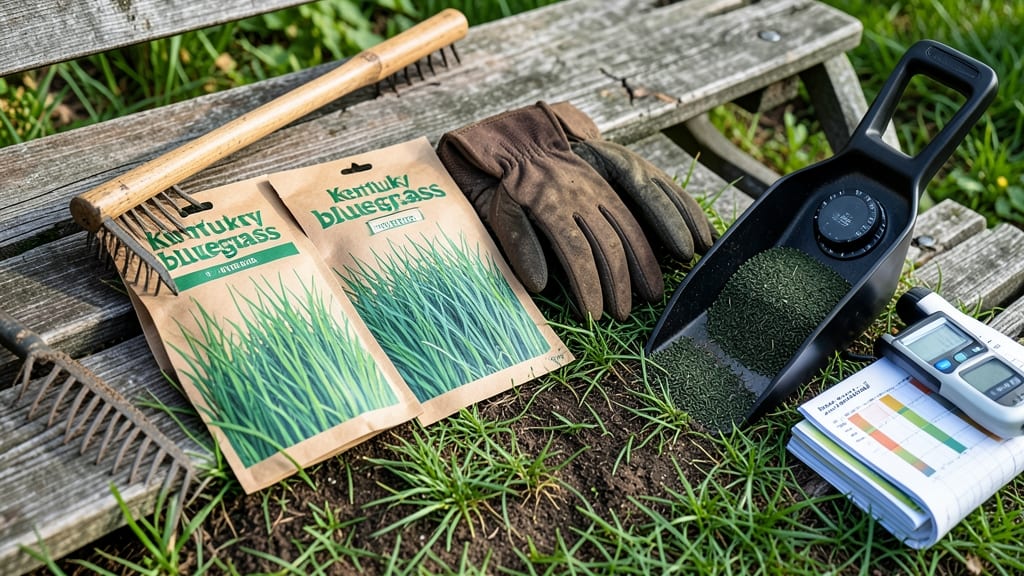
Timing your grass seed planting in Iowa isn't just about picking a month—it’s about dodging frost surprises and heat stress that can turn your green dreams into brown patches. With 5a-5b winters and unpredictable spring thaw dates, getting it wrong means wasting seed or waiting another year.
The best time to plant grass seed in Iowa actually boils down to two narrow windows: early spring (March-April) or early fall (August-September), when soil temperatures hit that sweet 50°F threshold for germination.
Why does this matter so much? Because Iowa’s frost cycles—especially that last mid-April freeze—can kill tender seedlings overnight. Plant too early, and you’re gambling with your lawn’s future. Too late, and summer’s heat dries out seeds before they take root.
The key is reading your local microclimate: urban areas stay warmer than rural fields, and even a few miles can shift your ideal planting date by 1-2 weeks.
I’ll break down the exact frost-date deadlines for Iowa’s five regions, plus how to prep your soil and pick the right seed mix for your zone.
Whether you’re seeding a new yard or repairing bare spots, nailing the timing is the first step to a lush, year-round lawn. Let’s get started.
No more guessing games—just data-driven deadlines tailored to Iowa’s quirks. By the end, you’ll know exactly when to grab that seed bag and how to set yourself up for success, even if Mother Nature throws a curveball.
Iowa’s ideal grass seed planting windows: spring vs fall deadlines by region
Iowa’s diverse climate zones mean your grass seed planting window can vary by up to 3 weeks depending on where you live. The golden rule is planting when soil temperatures hit 50°F+ and 4-6 weeks before the average last frost date—or after the first frost in fall.
Let’s break down the optimal planting windows for Iowa’s five key regions.
For spring planting, most of Iowa sees success between mid-March and early May, while fall planting typically works from mid-August through September. However, these windows shift based on microclimates and local frost patterns.
Northern Iowa, for example, often waits until late April for spring planting, while southern Iowa can start as early as February in mild years.
The comparison table below shows exact planting deadlines by region, including soil temperature thresholds and last frost averages from Iowa State University data. Use this as your guiding timeline to avoid frost damage or summer heat stress.
| Region | Spring Planting Window | Soil Temp Threshold | Last Frost Date (Avg.) | Fall Planting Window | First Frost Date (Avg.) |
|---|---|---|---|---|---|
| Northwest (Sioux City) | Late April - Early May | 50°F+ | May 10 | Mid-August - Early Sept. | Oct. 15 |
| Northeast (Waterloo) | Early April - Late April | 50°F+ | April 25 | Late August - Mid-Sept. | Oct. 5 |
| Central (Des Moines) | Mid-April - Early May | 50°F+ | April 15 | Late August - Early Sept. | Oct. 10 |
| Southeast (Cedar Rapids) | Late March - Early April | 50°F+ | April 5 | Early August - Late Sept. | Oct. 20 |
| Southwest (Ottumwa) | Early April - Late April | 50°F+ | April 10 | Mid-August - Early Sept. | Oct. 12 |
Source: Iowa State University Extension & NOAA Climate Data
If you’re in southern Iowa, you might even squeeze in a February planting in exceptionally mild years, but wait until soil warms—cold soil can delay germination by 2-3 weeks. For northern Iowa, late April is your last safe window before summer heat sets in.
For fall planting, aim to finish 4-6 weeks before the first frost. This gives seeds time to germinate and establish roots before winter. In central Iowa, that means wrapping up by early September, while northern areas can stretch into mid-September.
Pro tip: Use a soil thermometer to confirm temperatures—50°F+ is non-negotiable for germination.
If your soil is cooler, wait 1-2 weeks or use a frost blanket to protect young seedlings. Fall planting often yields thicker grass because cooler temps reduce weed competition and dormant seeds wait for spring to sprout.
Don’t forget to check Iowa State Extension’s frost alerts for real-time updates—2023 saw frost dates shift by 10 days in some areas due to climate variability. Planning ahead ensures your grass seed investment thrives, not withers.
Once you’ve locked in your planting window, the next step is soil prep. Iowa’s clay-heavy soil often needs amendments like compost or sand to improve drainage. Test your soil pH (ideal range: 6.0-7.5) and adjust with lime or sulfur if needed.
With the right timing and prep, your Iowa lawn will establish strong roots and outlast even the harshest Midwest winters. Start with the regional deadlines above, then fine-tune with local weather data for foolproof results.
How to adjust planting timing for Iowa’s microclimates: urban vs rural considerations
Iowa’s diverse landscapes create microclimates that can shift your grass seed planting window by 7-14 days. Urban areas with concrete and asphalt trap heat, while rural fields experience cooler nighttime temperatures. Even a 10-degree difference in soil warmth can mean the difference between success and failure.
For example, Des Moines’ downtown core may stay 5-10°F warmer than surrounding suburbs, allowing for earlier spring planting by 1-2 weeks. Conversely, wind-exposed rural areas like northwest Iowa can experience delayed soil warming due to cold air drainage.
🌱
⚠️ Urban Heat Island Effect
City planting zones can start 7-10 days earlier than rural areas. Check NOAA’s Local Climate Data for your specific ZIP code—urban areas often show higher minimum soil temps by late March.
Rural gardeners should monitor soil temperature at 4-inch depth—the critical threshold for grass seed germination is 50°F. Use a soil thermometer ($10 at garden centers) to confirm readiness, especially in clay-heavy soils that warm slower than sandy areas.
Another key factor is wind exposure. Open fields in northwest Iowa may need delayed planting until mid-April to avoid drying winds that desiccate young seedlings. In contrast, southeast Iowa’s rolling hills often see earlier frost-free windows due to warmer microclimates.
Pro tip: Use Iowa State Extension’s free frost alerts (sign up at extension.iastate.edu) to get hyperlocal deadlines based on your county and elevation. These alerts account for microclimate variations that standard frost maps miss.
For urban lawns, consider shade adjustments—trees and buildings can reduce sunlight by 30-50%, requiring shade-tolerant seed mixes like fine fescue. Rural areas with full sun exposure can handle tall fescue or Kentucky bluegrass blends that thrive in hotter microclimates.