
Plants
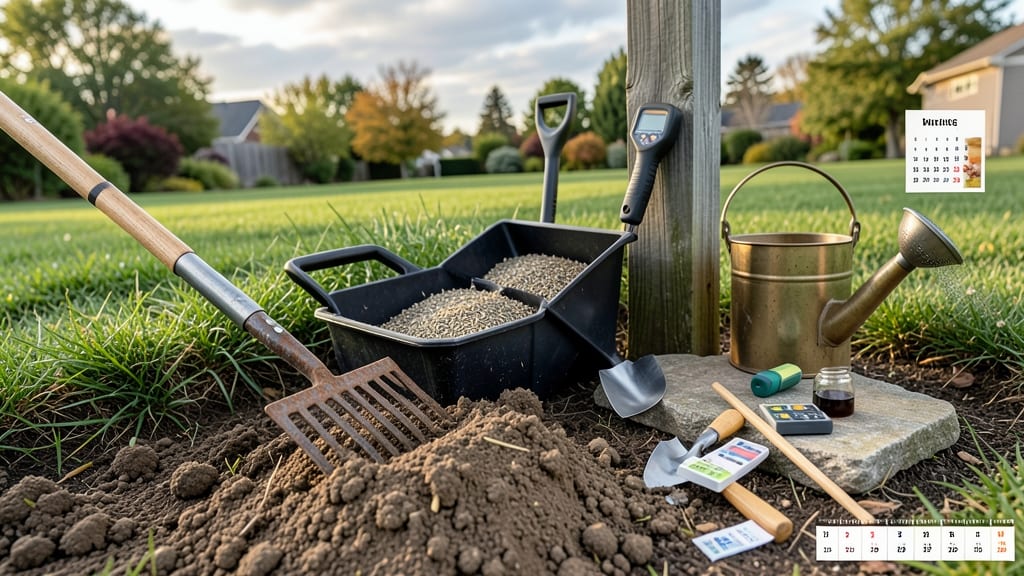
Deciding when is the best time to plant grass seed in Pennsylvania can feel like a guessing game—until you know the secret window for success. Whether you're tackling a patchy lawn or starting fresh, getting the timing right means the difference between a lush, green carpet and months of frustration.
Pennsylvania's climate (USDA zones 5b-7a) gives you two prime opportunities: early spring and early fall, but each comes with its own set of challenges.
Spring planting kicks off as soon as the soil warms, usually by March or April, but rushing too early can leave your grass seed vulnerable to late frosts. Fall, on the other hand, offers cooler temps and steady rainfall—ideal for root growth before winter sets in.
Both seasons have their advantages, but local factors like microclimates (urban vs. rural) and grass type (cool-season vs. warm-season) can shift the balance.
If you're planting cool-season grasses like Kentucky bluegrass (the most common choice in PA), timing is everything. These varieties thrive when soil temps hover between 50-65°F, making early fall (September-October) the sweet spot.
But spring has its perks too—longer daylight hours give seedlings extra energy to establish before summer heat arrives.
Ready to transform your lawn? I’ll break down the exact months to plant, soil prep tips, and how to outsmart Pennsylvania’s unpredictable weather. Let’s get your grass off to the best possible start—no more second-guessing, just results.
Best time to plant grass seed in Pennsylvania: spring vs fall comparison for optimal growth
Pennsylvania's USDA Hardiness Zones 5b-7a create unique challenges for grass seed planting. The best time to plant depends on balancing soil temperatures, rainfall patterns, and frost dates to ensure strong root establishment.
Most gardeners swear by either early spring (March-April) or early fall (September-October), but which is truly better for your PA lawn?
For cool-season grasses like Kentucky bluegrass and tall fescue (the most popular choices in PA), timing is everything. These grasses thrive when soil temps stay between 50°F and 65°F—perfect conditions found in both spring and fall.
However, each season offers distinct advantages and potential pitfalls that can make or break your lawn's success.
Spring planting gives seeds a full growing season to establish before winter, but late frosts and drought stress can derail early plantings. Meanwhile, fall planting benefits from cooler temps and natural rainfall, but early frosts can cut the season short if you wait too long. Let's break down the pros and cons of each approach for Pennsylvania's diverse climate.
🌱
| Factor | Spring Planting (March-April) | Fall Planting (September-October) |
|---|---|---|
| Ideal Soil Temp | 50-65°F (March-April) | 50-65°F (Sept-Oct) |
| Growing Season | 6-8 months before winter | 3-4 months before dormancy |
| Rainfall Reliability | Variable (spring droughts common) | Higher (fall rains abundant) |
| Weed Competition | High (weeds germinate early) | Low (weeds dormant in fall) |
| Frost Risk | Late frosts (April) | Early frosts (Nov) |
| Establishment Time | 6-8 weeks before winter | 4-6 weeks before dormancy |
| Best For PA Regions | Southern PA (warmer zones) | Northern PA (cooler zones) |
While both seasons offer valid windows for planting, fall planting often edges out spring in Pennsylvania due to cooler soil temperatures and reduced weed competition. The 6-8 week growing window before winter allows seeds to establish deep roots without the stress of summer heat or spring's unpredictable weather.
However, spring planting can work exceptionally well in Southern PA (Zone 7a), where winters are milder and the growing season extends longer.
For Northern PA (Zones 5b-6a), fall planting is generally the safer bet. Aim to plant 4-6 weeks before your first frost date (typically mid-September to early October). This timing ensures seeds germinate and develop a strong root system before winter dormancy.
In contrast, spring planting should occur 4-6 weeks after your last frost date (usually mid-April to early May) to avoid late frost damage.
One critical factor often overlooked is soil moisture. Pennsylvania's fall months (September-October) typically receive 2-3 inches more rainfall than spring, reducing the need for supplemental watering. This natural hydration gives fall-planted seeds a significant advantage, especially in drought-prone areas like Southwestern PA.
Meanwhile, spring plantings may require daily watering during dry spells, which can be challenging for busy homeowners.
Another consideration is
Key factors determining Pennsylvania grass seed planting success: soil, weather, and seed selection
When planting grass seed in Pennsylvania, success hinges on three critical factors: soil temperature, weather conditions, and seed variety selection. Each plays a pivotal role in ensuring strong root growth and uniform germination. Let’s break down what matters most for your Pennsylvania lawn.
First, soil temperature is non-negotiable. Grass seeds thrive when soil temperatures hover between 50°F and 65°F. In Pennsylvania, this typically aligns with early spring (March-April) or early fall (September-October).
Planting during these windows avoids the stress of extreme heat or cold, which can stunt growth or kill seeds outright.
Next, weather conditions like rainfall and humidity are equally important. Pennsylvania’s climate varies by region, but most areas benefit from consistent moisture during germination. Avoid planting during prolonged droughts or when heavy rains are forecasted, as both can wash seeds away or suffocate them.
| Factor | Ideal Specification | Pennsylvania Note |
|---|---|---|
| Soil Temperature | 50°F–65°F | March–April or Sept–Oct |
| Rainfall | 0.5–1 inch per week | Supplement with irrigation if dry |
| Seed Variety | Cool-season grasses (e.g., Kentucky bluegrass, tall fescue) | Best for PA’s climate |
| Frost Risk | Avoid planting before last frost (April 15) or after first frost (Oct 15) | Use frost cloth if early planting |
Choosing the right grass seed variety is another game-changer. Pennsylvania’s climate favors cool-season grasses like Kentucky bluegrass or tall fescue, which thrive in the region’s temperate conditions. Warm-season grasses, like Bermuda, struggle in PA’s cooler summers and winters, so they’re rarely recommended.
Finally, soil preparation sets the stage for success. Before planting, loosen the top 4 inches of soil to improve aeration and drainage. Remove weeds and debris, then level the area to ensure even seed distribution. A light layer of compost can also boost nutrient levels for healthier growth.
By aligning your planting with Pennsylvania’s soil and weather patterns, you’ll give your grass seed the best shot at establishing a thick, resilient lawn. Paying attention to these factors can cut down on weeds and reduce the need for reseeding in future years.
Don’t overlook the importance of post-planting care, either. Consistent watering and proper fertilization will help your new grass take root and flourish. With the right approach, you’ll enjoy a lush lawn that stands up to Pennsylvania’s seasonal challenges.