Plants
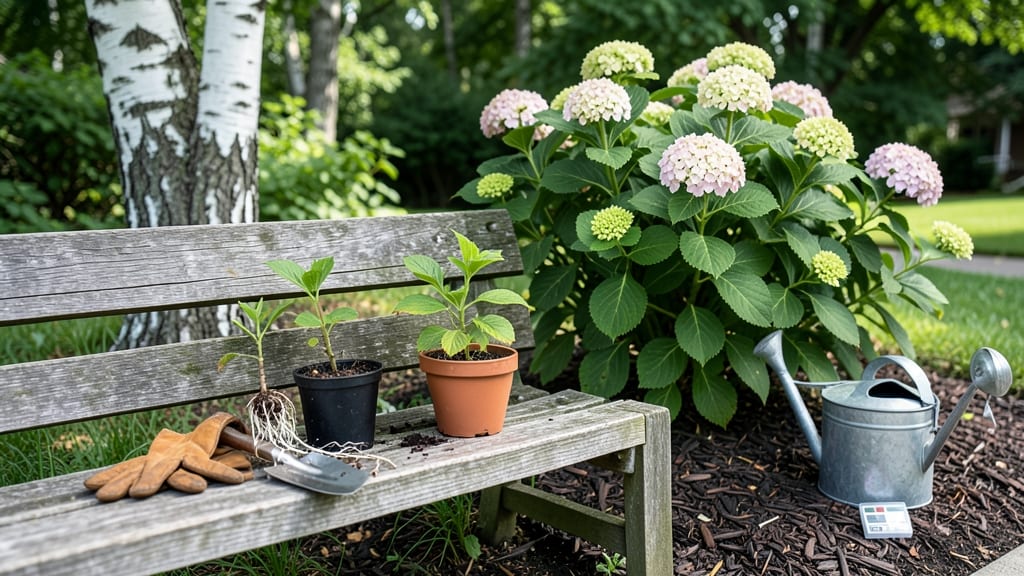
Timing your hydrangea planting just right in Michigan could mean the difference between vibrant blooms and a sad, sparse shrub. With USDA zones 5b-6b and unpredictable frost dates, knowing the best weeks to plant your 🌸 hydrangeas is the key to success.
You’ve probably heard the general advice—spring or fall—but Michigan’s climate demands precision. Plant too early, and frost can damage tender roots. Too late, and your hydrangeas might struggle to establish before winter. The right window ensures strong root growth and bold, long-lasting flowers all season.
In this guide, I’ll break down the exact weeks for planting in Michigan’s zones, whether you’re working with bigleaf, oakleaf, or panicle varieties. You’ll also discover how to prep your soil, spot the perfect planting cues, and avoid common mistakes that could stunt your hydrangea’s growth.
Ready to transform your garden with show-stopping blooms? Let’s dive into the science-backed timing that’ll have your hydrangeas thriving from day one.
Michigan hydrangea planting calendar: exact weeks by hardiness zone (4-6)
Michigan’s USDA hardiness zones 4-6 create unique challenges for hydrangea planting, where last frost dates can vary by 2-3 weeks across the state. In northern Michigan (zone 4), aim for late May planting, while southern regions (zone 6) can start as early as mid-April.
Understanding these micro-climates ensures your hydrangeas establish roots before summer heat arrives.
For spring planting, hydrangeas thrive when soil temperatures reach 55°F (13°C)—a cue that frost danger has passed. In Michigan, this typically aligns with late April to early May, but always verify your local frost-free date using the Michigan State University Extension frost calendar.
Fall planting offers a second chance, with September-October being ideal for root establishment before winter.
Different hydrangea varieties have distinct planting windows. Bigleaf hydrangeas (like 'Endless Summer') prefer spring planting to avoid winter stress, while panicle hydrangeas (like 'Limelight') handle fall planting better due to their hardier nature. Oakleaf varieties fall somewhere in between, adapting to both seasons with proper care.
Soil preparation is critical—hydrangeas demand well-draining, slightly acidic soil (pH 5.5-6.2). In Michigan’s clay-heavy soils, amend with compost or peat moss to improve drainage. Test your soil’s pH 4-6 weeks before planting to adjust with sulfur or lime as needed. This step prevents nutrient deficiencies that stunt growth.
Container planting extends Michigan’s planting window by 2-4 weeks—simply move pots indoors before first frost (mid-October). For in-ground planting, choose a sheltered location (e.g., near a south-facing fence) to protect against late spring frosts that can damage tender new growth.
| Zone | Spring Planting Window | Fall Planting Window | Soil Temp Requirement | Key Variety Notes |
|---|---|---|---|---|
| 4 (Northern MI) | Late May - Early June | September 1-15 | 55°F (13°C) minimum | Panicle types (e.g., 'Little Lime') tolerate colder soils |
| 5 (Central MI) | Mid-April - Mid-May | September 15-October 1 | 50°F (10°C) minimum | Bigleaf types need spring planting for best blooms |
| 6 (Southern MI) | Early April - Late May | October 1-15 | 45°F (7°C) minimum | Oakleaf hydrangeas thrive in both seasons |
🌱 Pro Tip: Use a soil thermometer to confirm readiness—hydrangeas won’t thrive in cold, damp soil.
Michigan’s variable weather patterns mean you’ll need flexibility. If an early frost threatens, delay planting until soil warms—even if it means waiting until June. Conversely, if summer arrives early (like in 2023’s heatwave), prioritize fall planting to avoid heat stress on young roots.
After planting, mulch heavily (3-4 inches) with wood chips or straw to retain moisture and regulate soil temperature. In zone 4, add an extra layer of straw mulch in late fall to insulate roots during freeze-thaw cycles. This simple step can double survival rates in Michigan’s harsh winters.
For container-grown hydrangeas, Michigan gardeners gain an advantage: pots warm up faster in spring, allowing earlier planting. Choose 15-20 gallon containers with drainage holes and use lightweight potting mix to prevent root rot. Move containers to protected locations (e.g., porches) before first frost to extend the growing season.
Monitor local weather forecasts and adjust your planting timeline accordingly. The National Weather Service and Michigan Gardeners’ Network offer real-time updates on frost risks and heatwaves. By aligning your planting with these cues, you’ll give your hydrangeas the best possible start in Michigan’s challenging climate.
5 Critical signs your Michigan hydrangeas are ready to plant (and 3 mistakes to avoid)
Timing your hydrangea planting in Michigan isn’t just about checking the calendar—it’s about reading your soil, climate, and plant signals. Even if you’ve marked April 15th on your calendar, your hydrangeas might not be ready until May 1st if the ground stays cold.
The key is watching for these 5 critical signs that tell you it’s go-time for planting.
First, check the soil temperature—it should reach at least 60°F at a depth of 4 inches. Use a soil thermometer for accuracy, especially in USDA Zone 5b areas where frosts linger.
Cold soil slows root growth, leaving your hydrangeas vulnerable to shock. If your thermometer reads below 55°F, wait at least 1-2 weeks before planting.