Plants
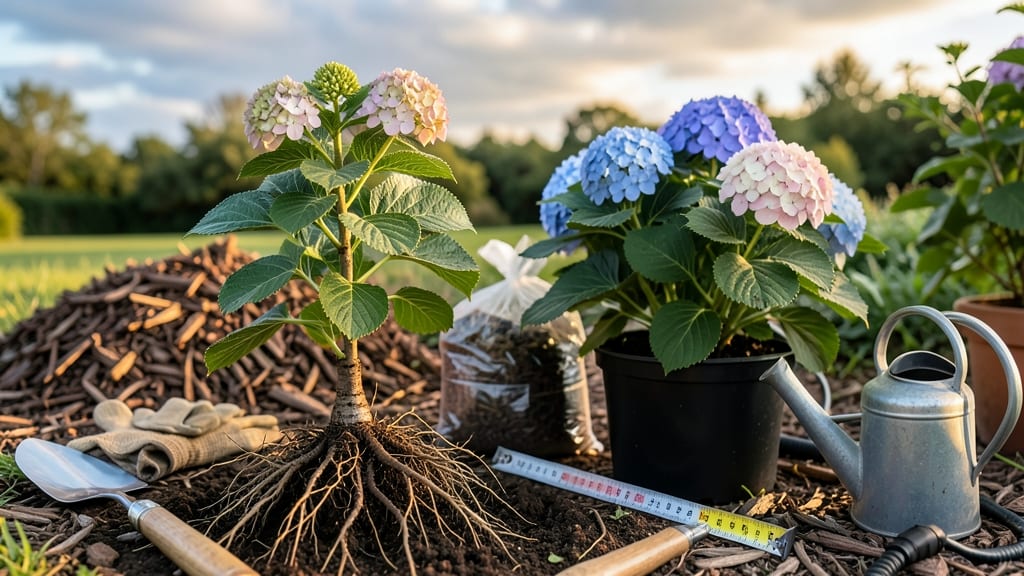
If you're dreaming of vibrant hydrangea blooms next summer, timing your planting is the key to success—especially in the Northeast's unpredictable climate. The wrong window could mean struggling roots or wasted effort, but get it right, and your 🌸 hydrangeas will thrive for years.
Most gardeners in zones 4a-7b swear by planting in early fall, but spring can work too—if you follow the rules. I’ll break down the exact months for each zone, so you can avoid common mistakes like planting too early (risking frost damage) or too late (limiting root growth).
Whether you're working with bare-root plants or containers, I’ll share proven strategies to extend your planting window without stressing your hydrangeas. From soil prep to mulching, you’ll learn how to set them up for maximum success in your Northeast garden.
Ready to turn your yard into a lush, blooming paradise? Let’s dive into the perfect timing for planting hydrangeas that will wow your neighbors—and keep coming back year after year.
Northeast hydrangea planting calendar: exact months by USDA hardiness zone
Timing your hydrangea planting is critical in the Northeast, where USDA Zones 4a-7b experience dramatic temperature swings. Plant too early, and frost can damage tender roots.
Too late, and roots won’t establish before winter dormancy. The ideal window depends on your specific zone and microclimate—think of it as a seasonal Goldilocks problem.
For most Northeast gardeners, September and October offer the sweet spot for fall planting, while April through early June works for spring starts. But these dates shift based on your exact location. Let’s break it down by zone to help you pinpoint the perfect moment for your hydrangeas to thrive.
🌸
| Zone | Best Planting Window | Soil Temp | Frost Risk | Key Tip |
|---|---|---|---|---|
| 4a-5a | Late May - Early June OR Early September | 50-55°F | High (late frost risk) | Use black plastic mulch to warm soil in spring |
| 5b-6a | Mid-April - Early June OR Mid-September | 55-60°F | Moderate (watch May frosts) | Plant after lilacs bloom to gauge frost risk |
| 6b-7a | April - May OR September-October | 60-65°F | Low (minimal risk) | Aim for 6 weeks before first frost in fall |
| 7b | March-April OR October-November | 65-70°F | Very Low | Can plant earlier in spring with protection |
In Zone 4a-5a, where winters are harshest, I recommend focusing on early September planting for fall. This gives roots time to establish before ground freezes, typically around mid-November. For spring plantings, wait until after lilacs bloom—this natural indicator shows frost danger has passed in most years.
Gardeners in Zone 6b-7a have more flexibility. I’ve successfully planted hydrangeas as late as mid-October in Zone 6b, but always with extra mulch (4-6 inches) to insulate roots. The key is ensuring 6-8 weeks of growth before winter sets in.
🌿
One common mistake I see is planting hydrangeas too early in spring when soil is still cold. Roots need consistent soil temps above 50°F to establish properly. Use a soil thermometer ($10 at garden centers) to check—if it’s cooler than that, wait another week.
For container-grown hydrangeas, you can push the window slightly earlier in spring (2-3 weeks) since they’re less stressed than bare-root plants. But always harden off containers for 7-10 days before planting to reduce shock.
In Zone 7b, where winters are milder, you can even plant hydrangeas in early November if you’re using heat-loving varieties like 'Endless Summer'. Just be prepared to water occasionally through winter if we get dry spells.
💧
Remember: Fall planting gives hydrangeas a head start on root growth before winter, while spring planting allows them to establish before the first flush of summer growth. Neither is inherently better—it’s all about matching your zone’s climate patterns.
Next, we’ll compare these two approaches in detail to help you decide which works best for your garden.
Spring vs fall planting: which offers better hydrangea success in cold climates?
When planting hydrangeas in the Northeast, you’ve got two main windows: spring (April-May) or fall (September-October). Each has unique advantages, but your climate zone and microclimate play huge roles in success.
Let’s break down the pros and cons so you can pick the best timing for your hydrangea varieties—whether you’re growing bigleaf, panicle, or oakleaf types.
I’ve planted hydrangeas in both seasons across USDA Zones 5-7, and I’ve learned that fall planting often wins for root establishment before winter dormancy. However, spring planting gives your shrubs a head start in warmer months.
The key is understanding how your local frost dates and soil temperatures influence each method.
🌸
Spring Planting (April-May)
- Plants get full growing season to establish roots
- Easier to monitor soil moisture during warm months
- Less risk of dormant root shock before winter
- Late spring frosts can damage new growth if planted too early
- Competition with established perennials for water/nutrients
- Slower first-year blooms as energy goes to roots
Fall Planting (September-October)
- Roots establish before first frost (4-6 weeks out)
- Cooler temps reduce transplant shock stress
- Less competition from weeds in early spring
- Early frosts can kill dormant roots if planted too late
- Requires proper mulching (4-6 inches) for winter protection
- Limited time to correct soil pH before dormancy
For Zone 4-5 gardeners, I recommend fall planting—the cooler soils and shorter growing season make spring establishment riskier. In Zones 6-7, either works, but fall gives your hydrangeas a stronger start.
Always check your local last frost dates (typically mid-April to early May in the Northeast) and aim to plant 2-3 weeks after to avoid cold soil stress.
Pro tip: If you’re on the fence, container-grown hydrangeas give you flexibility—you can plant them 2-3 weeks later than bare-root varieties in either season. Just keep them in pots until soil temps hit at least 50°F (10°C).
🌿