
Plants
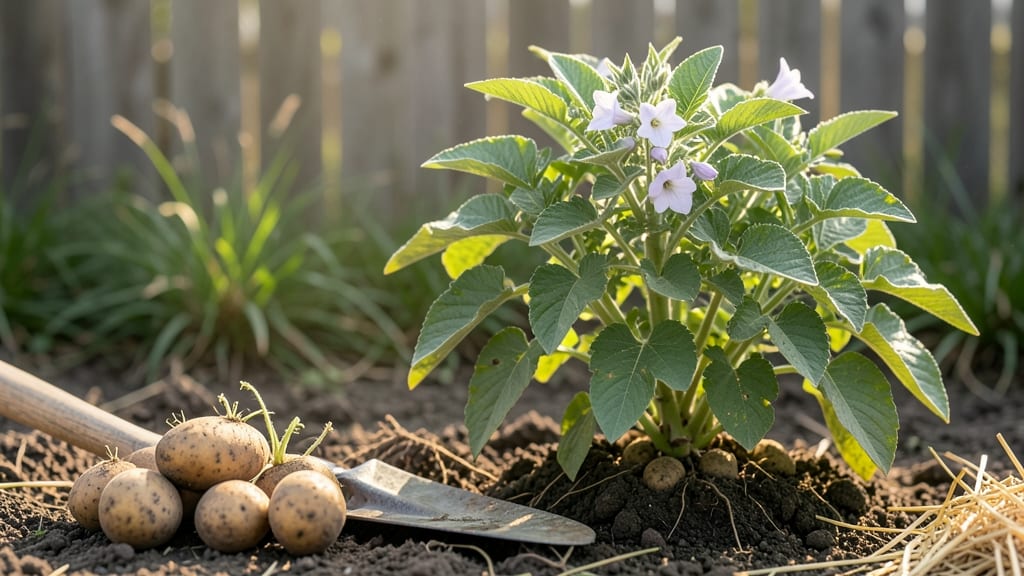
If you’ve ever wondered when is the best time to plant potatoes in North Carolina, the answer isn’t one-size-fits-all—especially when you consider the state’s dramatic climate shifts from the mountains to the coast.
Whether you’re in the cooler highlands of Asheville or the warmer lowlands near Wilmington, getting the timing right means the difference between a bumper crop of crisp 🥔 and a sad, shriveled harvest.
The key lies in soil temperature and frost dates, which vary wildly across North Carolina’s 8 USDA zones. Plant too early in Zone 5b, and a late frost could wipe out your seedlings. Wait too long in Zone 8a, and you might miss the ideal window for summer harvests.
But with the right strategy—like chitting your seed potatoes indoors or adjusting for early vs. late varieties—you can work with your local climate instead of against it.
I’ll break down the exact planting windows for each zone, including soil temperature thresholds (aim for 40-50°F) and how to time your planting for both spring and fall harvests. No more guessing whether your 🥔 will thrive or flop—just proven methods tailored to North Carolina’s unique growing conditions.
Ready to dig in? Let’s turn your potato patch from a gamble into a guaranteed success—starting with the perfect planting schedule for your corner of the state.
North Carolina potato planting calendar by USDA Zone (soil temps & frost dates)
North Carolina's 8 USDA hardiness zones (5b through 8a) create wildly different potato planting windows. In the cool mountain zones like Asheville (Zone 6b), you can plant 2-3 weeks earlier than in the hot coastal plains of Wilmington (Zone 8a).
The key factors? Soil temperature (aim for 40-50°F) and last frost dates, which vary by 4-6 weeks across the state.
For spring planting, most NC gardeners target 2-4 weeks after their average last frost date—but don't rush! Cold soil (below 40°F) stunts root growth, while waiting for 50°F+ soil ensures vigorous sprouting.
In Zone 5b (western NC), that might mean late March, while Zone 8a gardeners wait until mid-April.
Fall planting is trickier in NC due to humidity and blight risks, but Zone 6b and cooler can try late summer (August-September) for a second harvest. The rule: Plant 8-10 weeks before your first frost date, ensuring tubers mature before 40°F soil temps slow growth.
Here’s how to pinpoint your exact window using local frost data and soil thermometers:
| USDA Zone | Avg. Last Frost | Spring Planting Window | Soil Temp Threshold | Fall Planting Window | Key Consideration | ||||||||||||||||||||
|---|---|---|---|---|---|---|---|---|---|---|---|---|---|---|---|---|---|---|---|---|---|---|---|---|---|
| 5b (Mountains) | April 1-15 | Late March–Early April | 40–45°F | August 15–September 1 | Short season; prioritize early varieties | ||||||||||||||||||||
| 6a (Piedmont) | March 25–April 5 | Early–Mid April | 45–50°F | August 1–August 15 | Moderate humidity; watch for blight | ||||||||||||||||||||
| 6b (Central NC) | March 15–March 30 | Mid–Late March | 45–50°F | August 15–September 1 | Best for fall planting; low blight risk | ||||||||||||||||||||
| 7a (Coastal) | March 1–March 15 | Late March–Early April | 50°F+ | Not recommended | High humidity; blight risk | ||||||||||||||||||||
| 7b (Eastern NC) | February 28–March 10 | Early April | 50°F+ | Not recommended | Long, hot summers; prioritize shade | ||||||||||||||||||||
| 8a (Coastal Plains) | January 20–February 5 | Mid–Late April | 50°F+ | Not recommended |
How to adjust planting time for early vs. late varieties (Red Pontiac vs. Yukon Gold)Not all potatoes are created equal—and neither are their planting schedules. In North Carolina, where growing seasons can be short (especially in the mountains), choosing the right variety and adjusting your planting time is key to avoiding wasted effort. Early varieties like Red Pontiac mature in just 50-60 days, while late varieties like Yukon Gold need 100-120 days to reach harvest. Planting them at the wrong time means one will bolt in the heat or rot before harvest. For Zone 5b-6a (e.g., Asheville), early varieties are your best bet—they’ll escape late frosts and finish before summer heat sets in. In Zone 7b-8a (e.g., Raleigh or Wilmington), you’ve got more flexibility to plant both early and late varieties, even stretching into fall planting for a second harvest. Here’s how to match your variety to your zone and maximize your harvest window:
For Zone 5b-6a, focus on early varieties like Red Pontiac—they’ll give you a harvest before summer heat stresses the plants. In Zone 7b-8a, you can plant both early and late varieties, even attempting a fall harvest by planting in late July. Just be sure to use row covers in Zone 7b to protect late plants from early frosts. Pro tip: If you’re in Zone 7b or warmer, try succession planting—start with early varieties in March, then follow up with mid-season types in April, and finish with late varieties in late June for a continuous harvest. This stretches your growing season and reduces waste. One mistake I see often? Planting late varieties too early in Zone 5b-6a. They’ll just sit in the cold soil, waiting for warmth, and risk rotting. Instead, wait until the soil hits 50°F consistently before planting longer-season varieties like Yukon Gold. Experiment with a mix of varieties to see what thrives in your microclimate—your taste buds (and dinner plate) will thank you! 🥔 |